FIBC Construction and Materials
Super sacks are made of woven polypropylene — resin extruded into tape, woven into fabric, cut into panels and sewn into a body with lifting loops.
13 guides in this topic
Everything else on a spec sheet is a variation on that build. Fabric weight and the safety factor set strength. A coating or a polyethylene liner controls moisture and sifting. The body construction — U-panel, circular or four-panel, with or without baffles — sets the filled shape. Loops, tops and bottoms decide how the bag is filled, lifted and emptied; stitching decides whether it holds together under load; UV stabilization decides how long it lasts outdoors.
Whether the document is called an FIBC spec sheet or a jumbo bag specification, the fields are the same. The guides below take each element in turn, starting with how to read a spec sheet, so you can see which of them a quote actually specifies and which it leaves to the supplier.
More Construction & Materials Guides
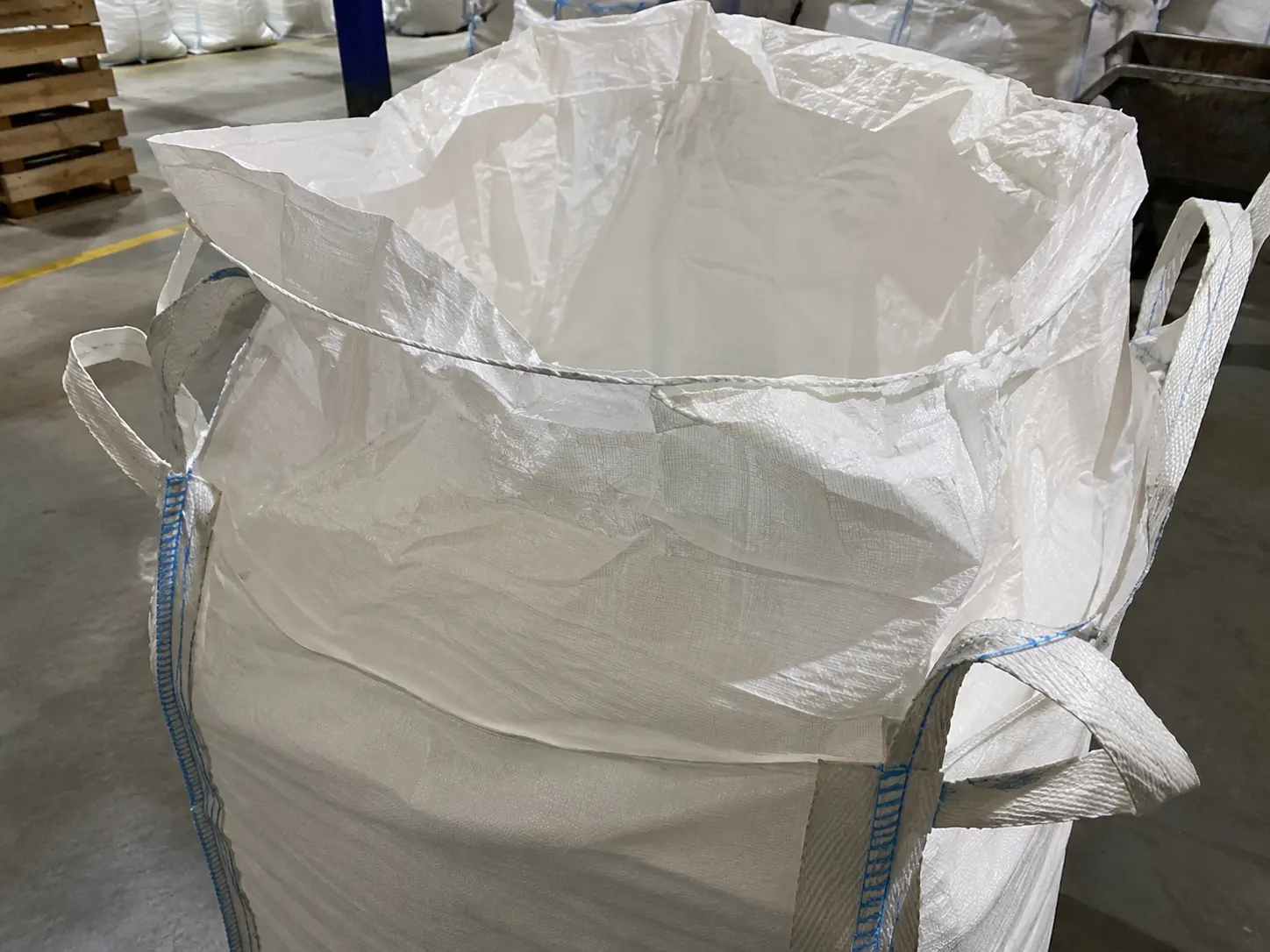
Bulk Bag Closures: The Knot That Holds a Tonne Against It
Closure type is decided at the order stage and lived with at discharge. A drawstring carries the whole load against one knot, which is why it jams shut.
Read guide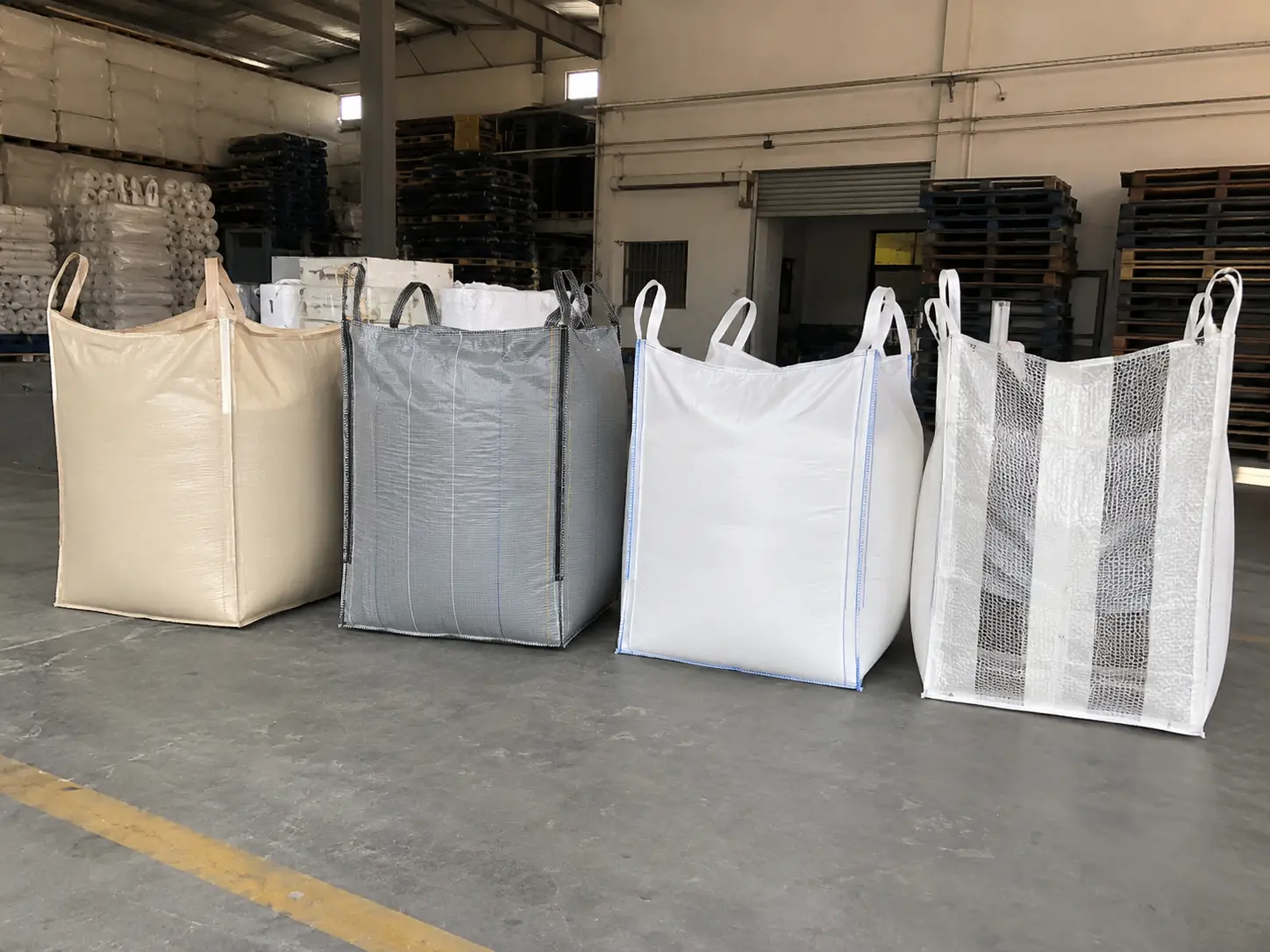
Net Baffle FIBC Bags: When Fabric Baffles Leave Corners Empty
A baffle bag that never fills its corners costs you the premium and the space. Net baffles let poor-flowing product reach corners that fabric panels block.
Read guide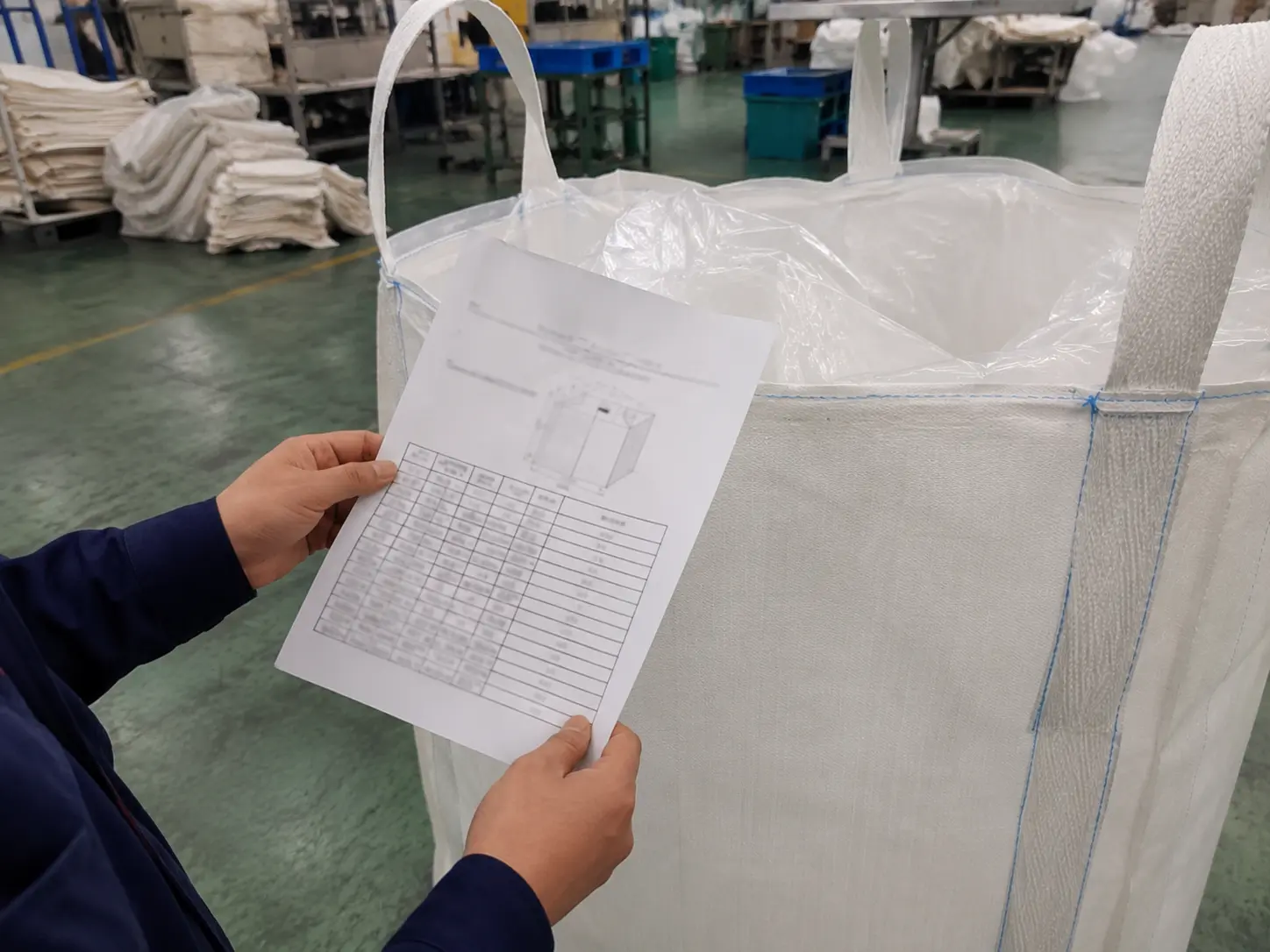
FIBC Stitching: The Failure Point GSM Doesn't Cover
Bags usually fail at the seams, not through the fabric. Stitch pattern and thread spec matter as much as GSM — and get checked far less often.
Read guideU-Panel vs Circular vs Four-Panel: Seams, Shape and Cost
Circular, U-panel and four-panel construction trade seam count against shape stability and cost. Here's which one suits your product and freight.
Read guide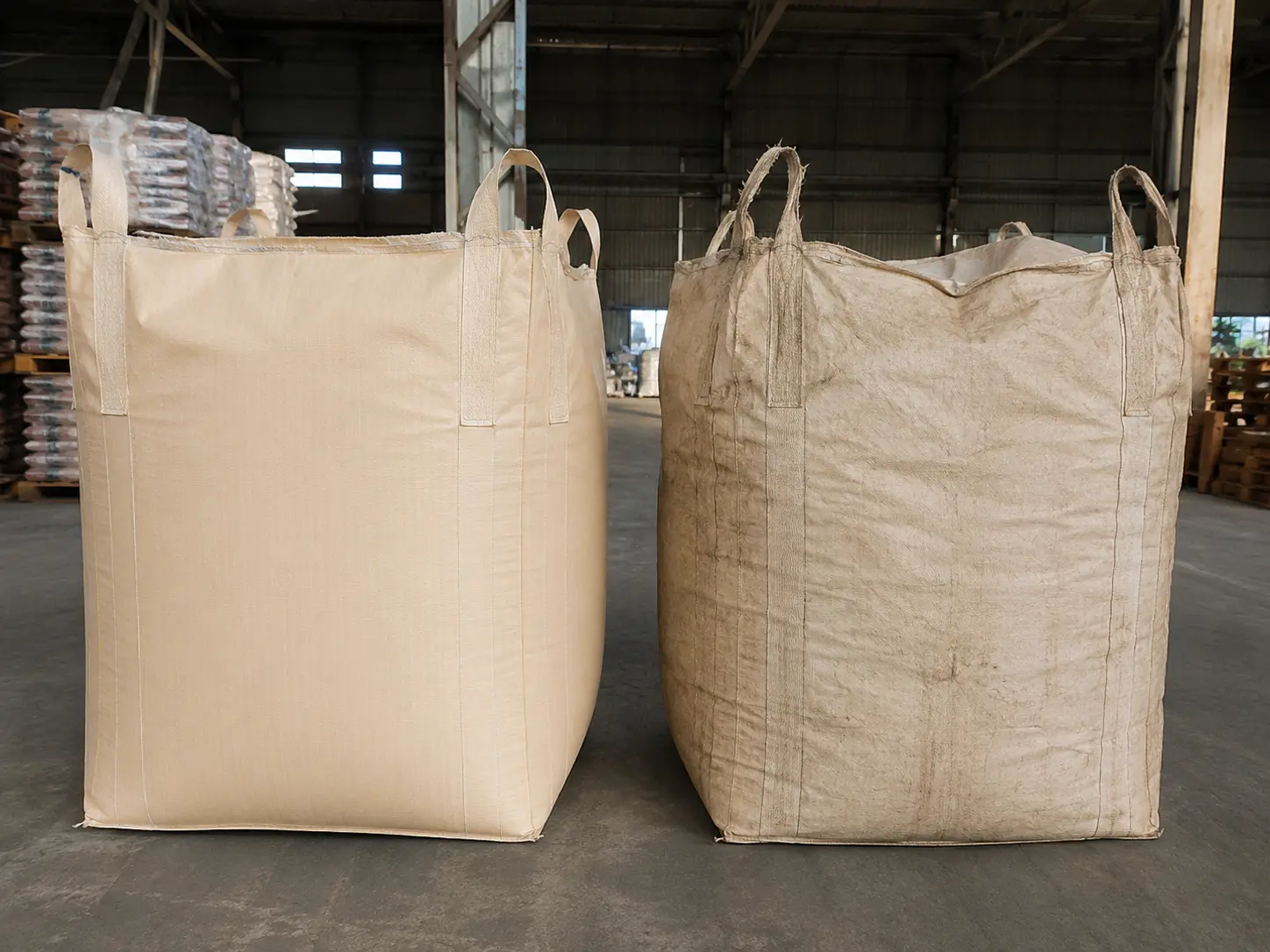
UV Resistance in FIBC Bags: The Damage You Can't See
UV breaks down the polymer itself, not just the color. A bag can look fine after months outdoors while having lost real tensile strength.
Read guide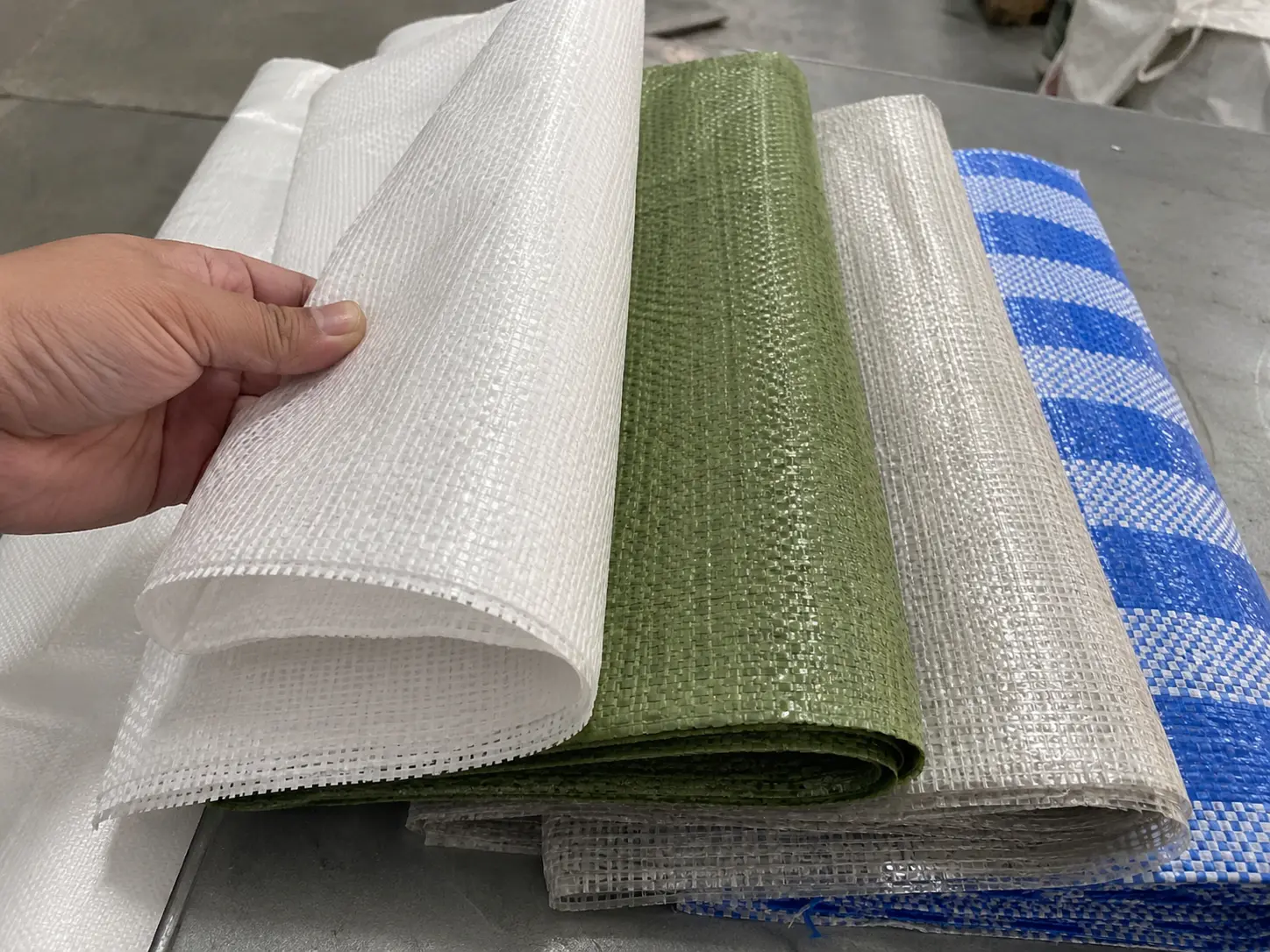
Coated vs Uncoated FIBC Fabric: Which Moisture Risk?
Coating seals the weave; a liner adds an independent inner barrier. Different mechanisms — here's when you need one, the other, or both.
Read guide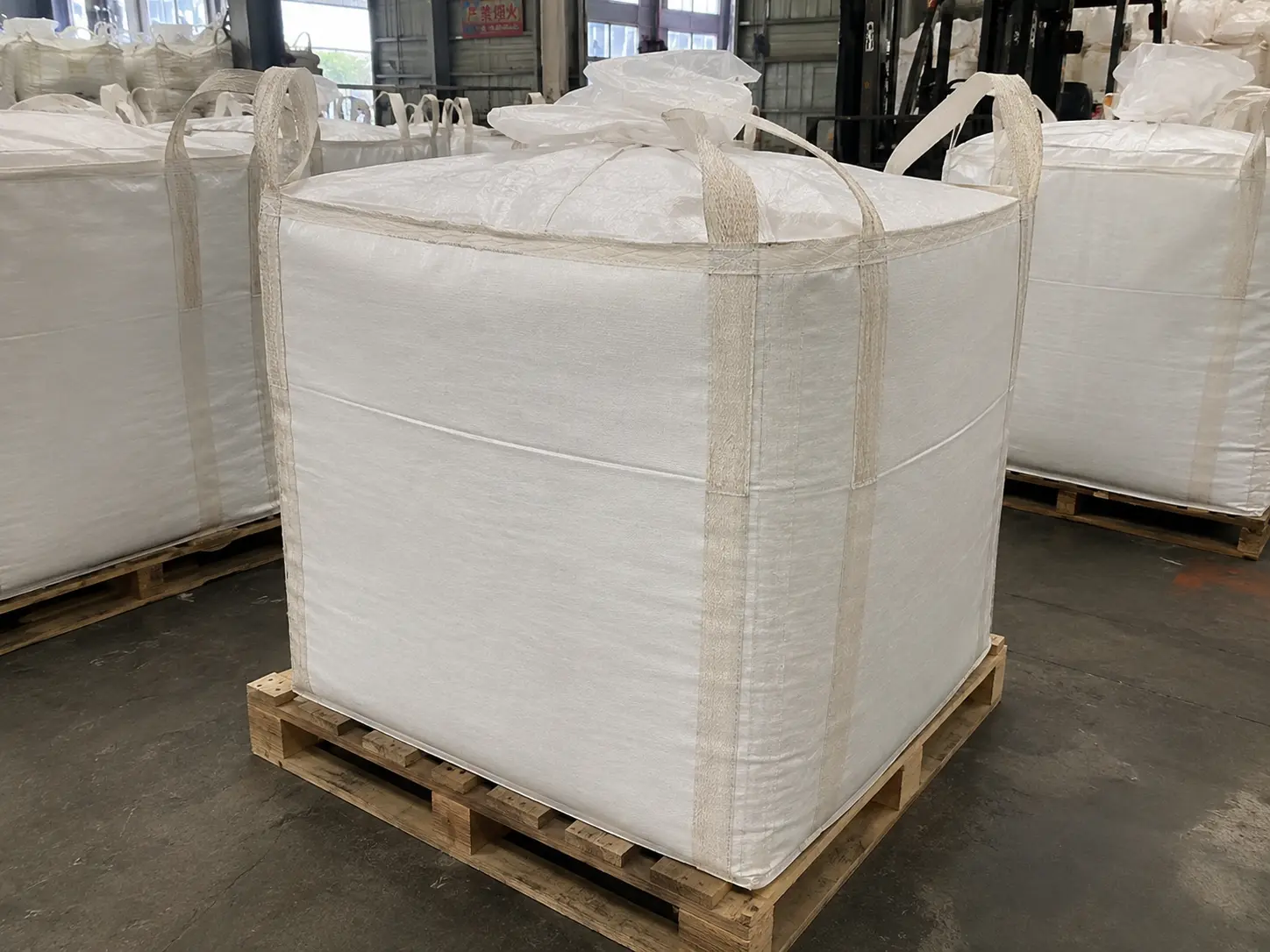
Baffle Bags (Q Bags): When the 30% Space Gain Pays Off
Baffle construction is a shape feature, not a compliance category — it adds 8–15% per bag and can return around 30% in container utilization.
Read guide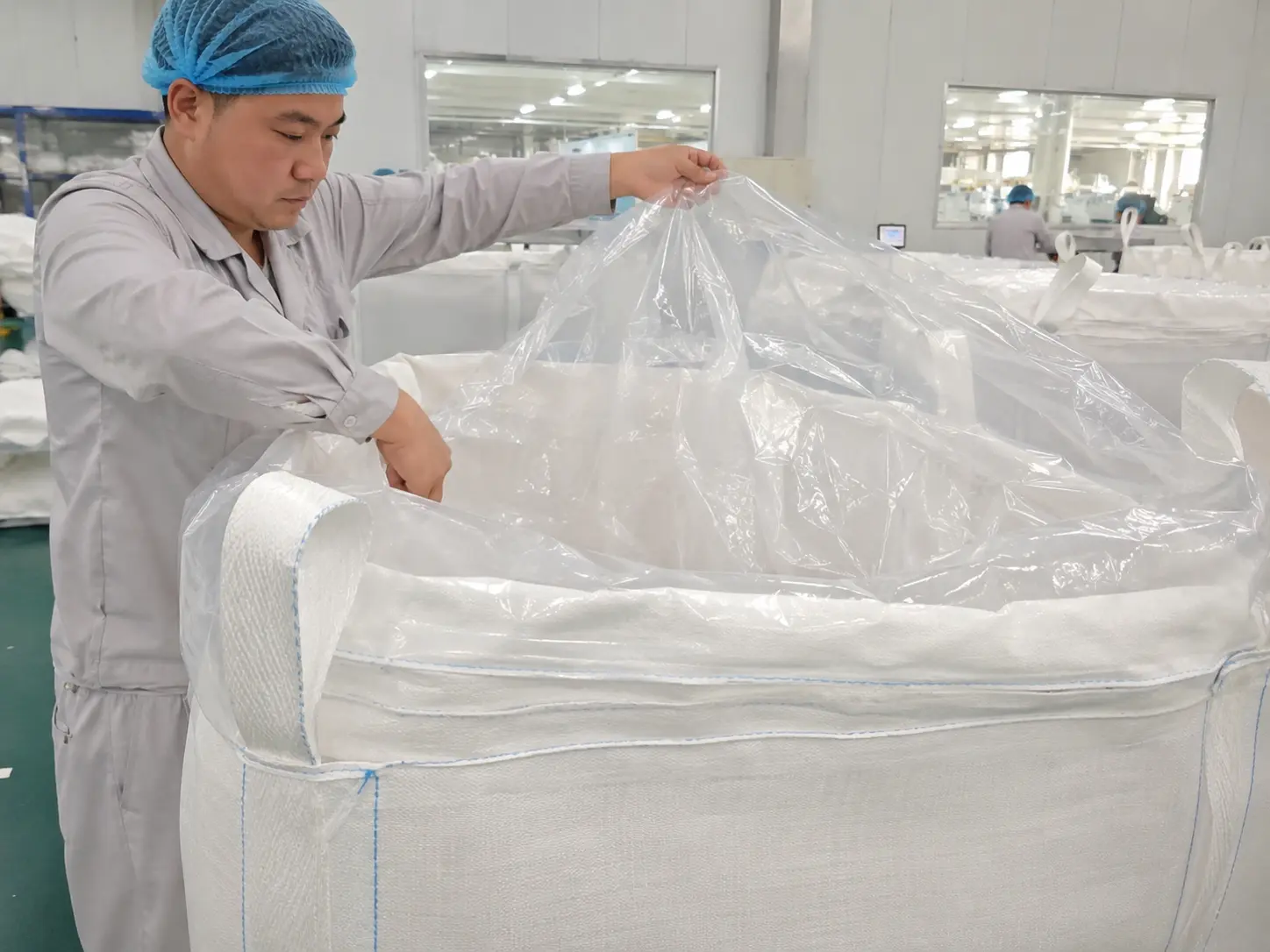
FIBC Liners: Why "Lined" Isn't a Complete Specification
A liner isn't one spec — construction, material, thickness and sealing each change what it protects against. Here's how to specify the right one.
Read guide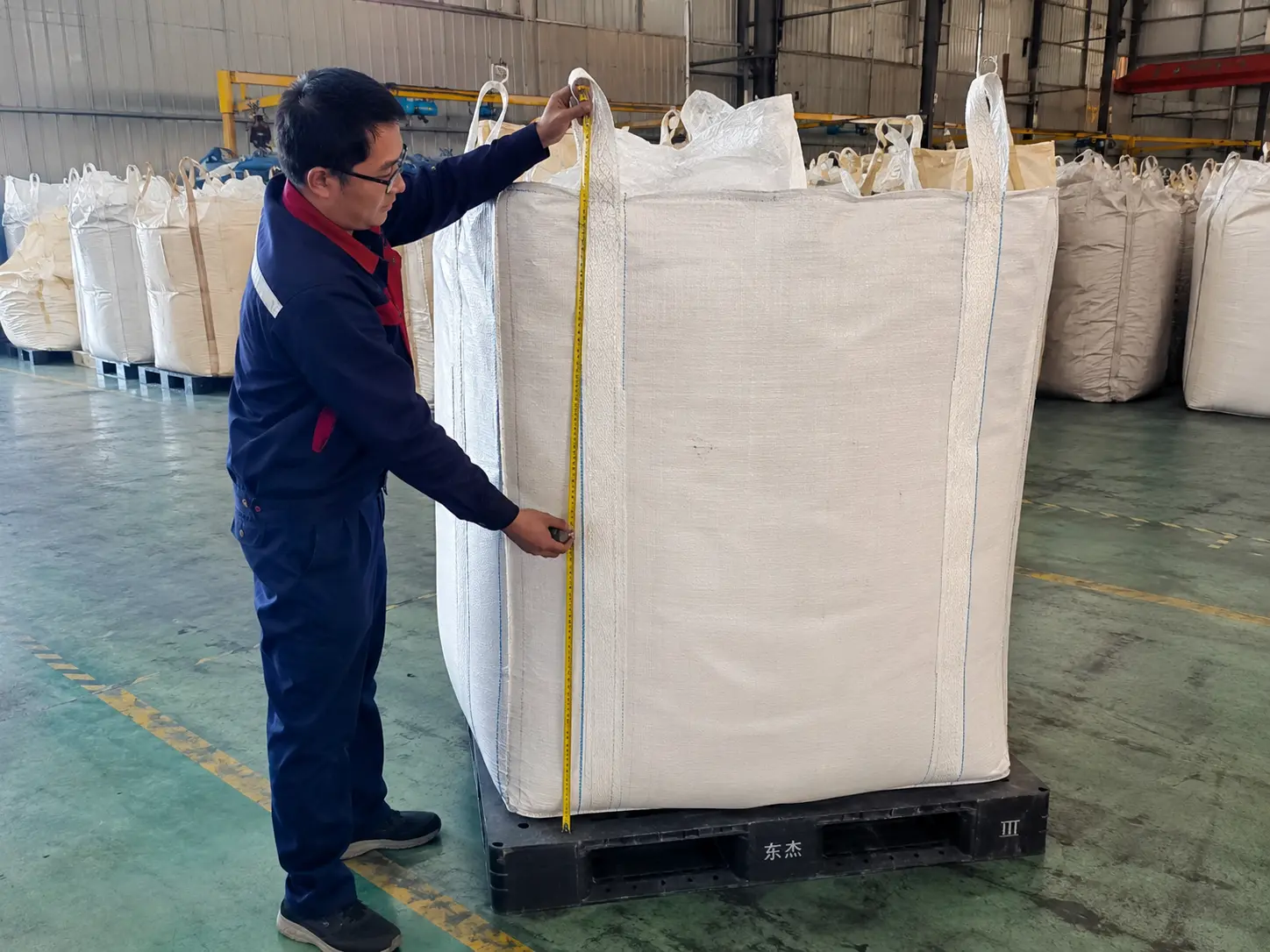
FIBC Loop Types: Match the Bag to Your Lifting Equipment
Loop count and attachment style decide what equipment can safely lift your bags. Here's how four-loop, two-loop and single-loop actually differ.
Read guideDuffle Top vs Spout Top vs Open Top: Match FIBC to Your Line
Top and bottom styles are separate decisions, matched to your filling and discharge equipment — not to the product. Here's how to pick each end.
Read guide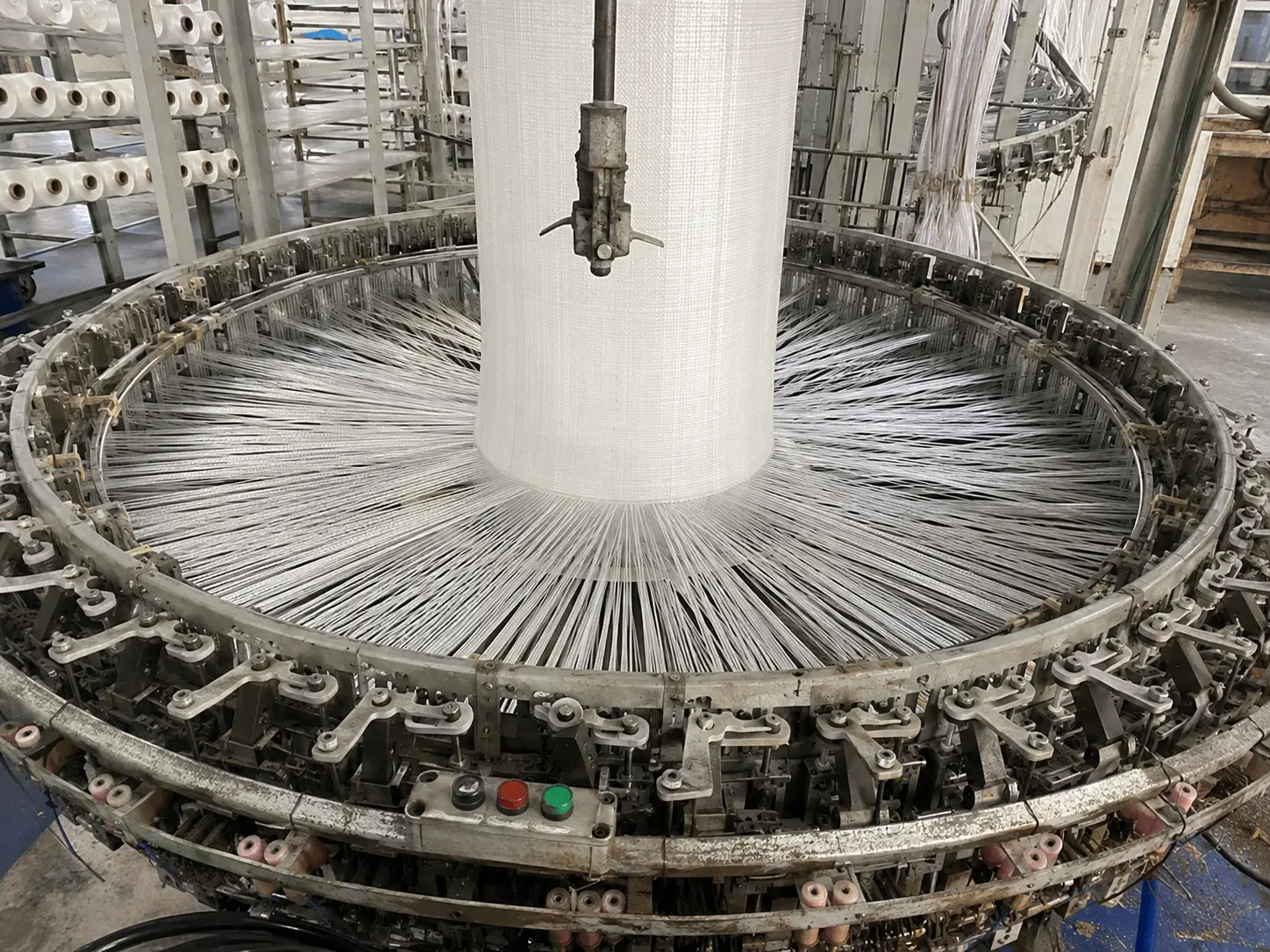
How Are FIBC Bags Manufactured? The Six Stages That Matter
From PP resin to finished bag: extrusion, weaving, cutting, reinforced sewing, liner fitting and QC — and where each stage decides real strength.
Read guideWhat Is Woven Polypropylene? The Fabric Behind Every Bulk Bag
Woven polypropylene is extruded PP tape woven on a circular loom. Here's how that weave creates a bag's strength — and what GSM actually tells you.
Read guideCommon Questions
What are super sacks made of?
Woven polypropylene fabric, typically around 140–220 g/m², sewn into a body and lifted by polypropylene webbing loops. Many bags add a coating on the fabric or a separate polyethylene liner inside for moisture and sifting protection, and outdoor bags add UV stabilizer to the resin.
Does a heavier fabric always mean a stronger bag?
Not on its own. Fabric weight sets how much load the panels carry, but loops and seams are where bags usually fail, so stitching and loop construction must be built to the same safety factor. Compare fabric weight, safety factor and seam construction together rather than fabric weight alone.
What is the difference between a coating and a liner?
A coating is a thin polypropylene layer laminated onto the woven fabric that closes the weave. A liner is a separate polyethylene bag inside the FIBC. Coating reduces sifting and moisture entry through the fabric; a liner gives a sealed barrier and can be made from food-contact material. Some products need both.