Buying and Importing Bulk Bags
A bulk bag’s price is set by its specification, not its size, so the first step in buying well is fixing the spec — the sourcing route comes second.
10 guides in this topic
Fabric weight, safety factor, construction, liner, printing and certification all move the cost, which is why two quotes for the same size can differ widely and both be fair. Once the spec is fixed, the choice is where to buy it: a distributor for small or urgent quantities from stock, or a factory for container-scale orders built to that spec.
Importing adds three more steps: duty and customs classification, verifying the supplier, and inspecting the goods before they leave. The guides below follow that order — price, sourcing route, custom printing and used bags, then tariffs, HS codes, audits and pre-shipment QC.
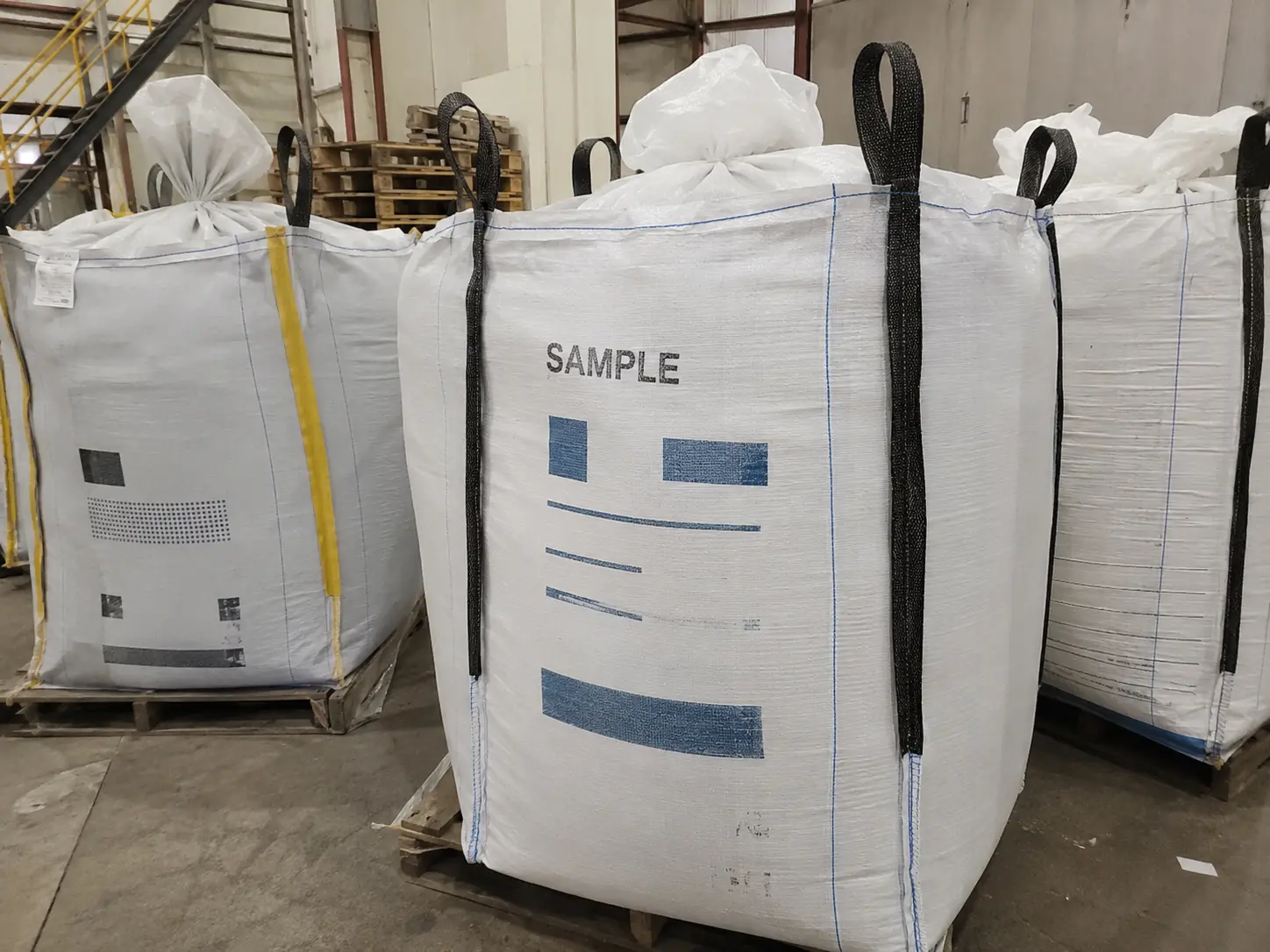
More Buying & Importing Guides
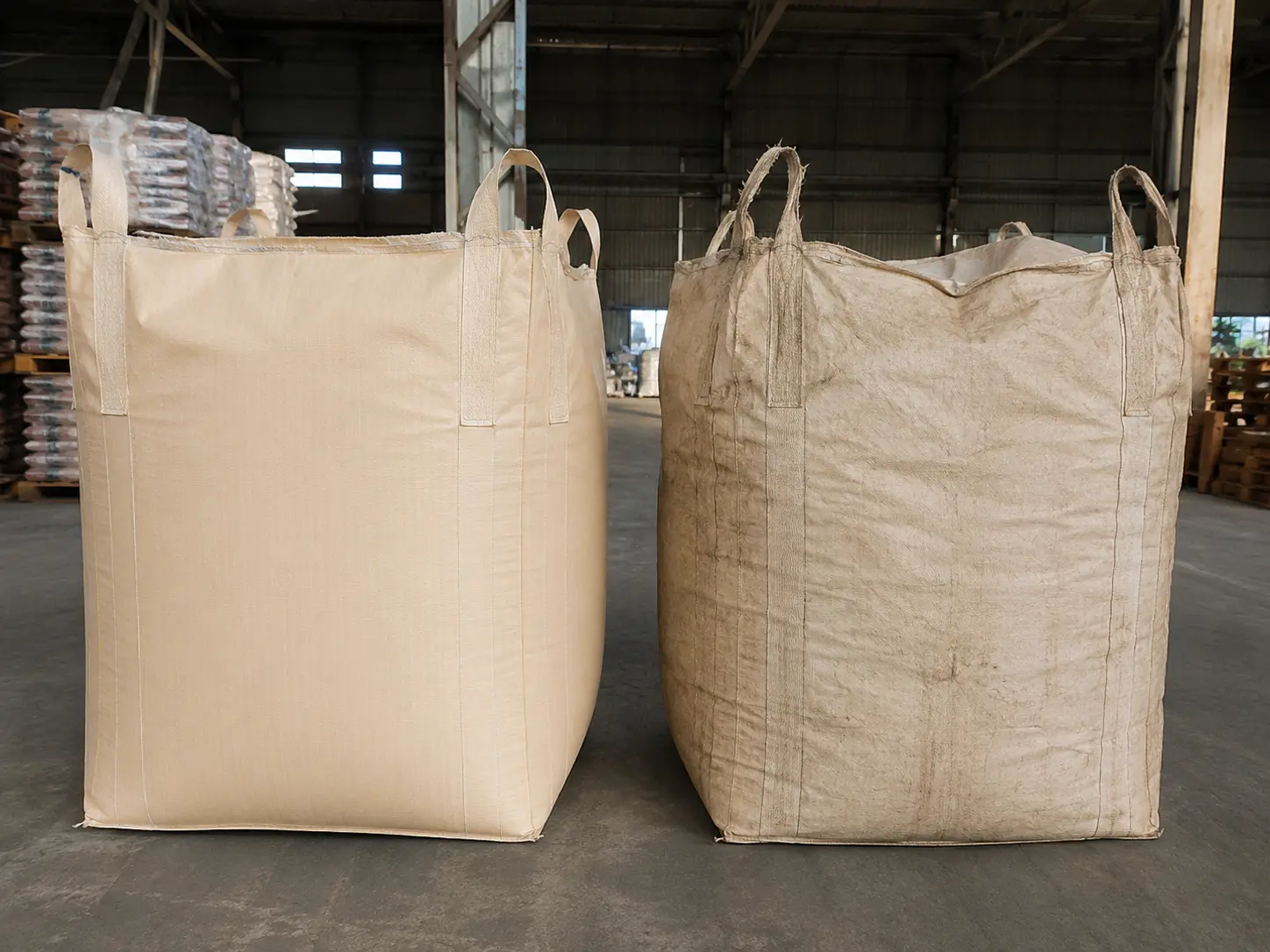
Inspected Used Bulk Bags: Why a 5:1 Bag Can't Be Reused
Inspected is not a standard — it covers everything from a visual glance to light-table and loop-pull testing. No inspection makes a single-trip bag reusable.
Read guide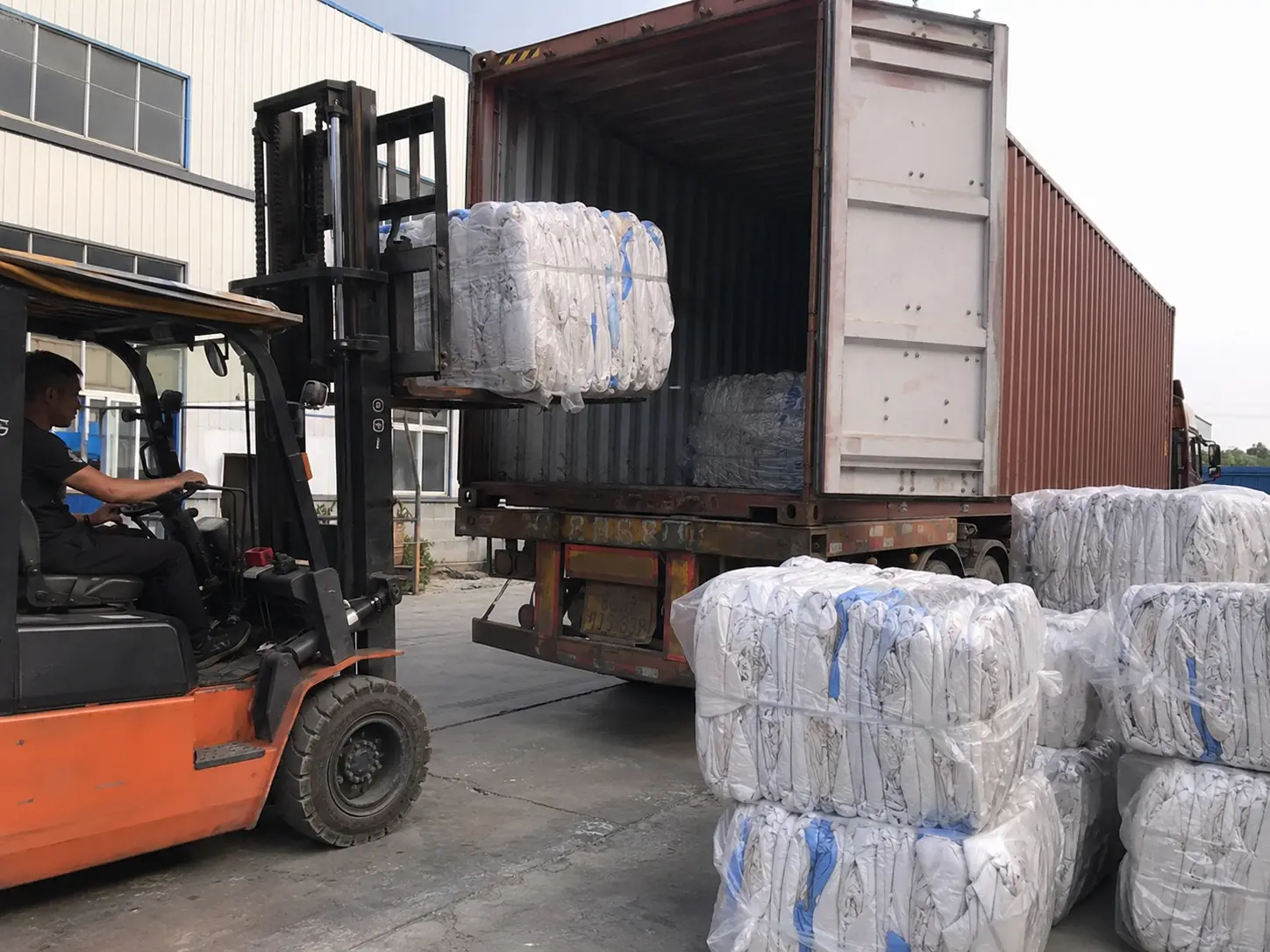
FIBC Tariffs: Why the Factory Quote Isn't Your Real Cost
FIBC imports can carry standard tariffs plus trade remedy duties on top. Here's the landed-cost framework, and where to verify the current rate.
Read guide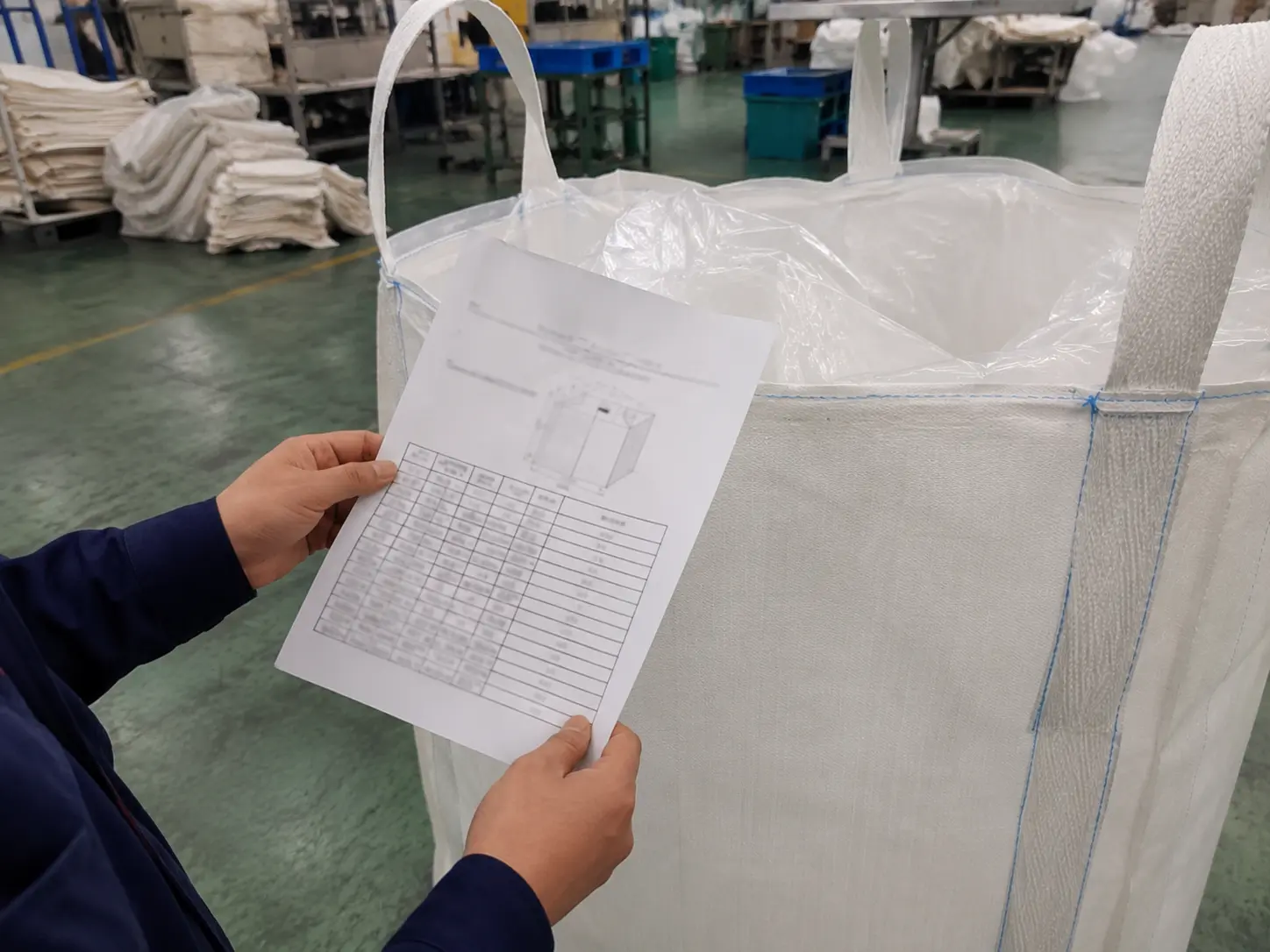
HS Code for FIBC Bags: Why 6305.32 Isn't Enough
FIBC bags sit under HS 6305.32 internationally, but your country extends that into a longer code. Here's how classification actually works.
Read guide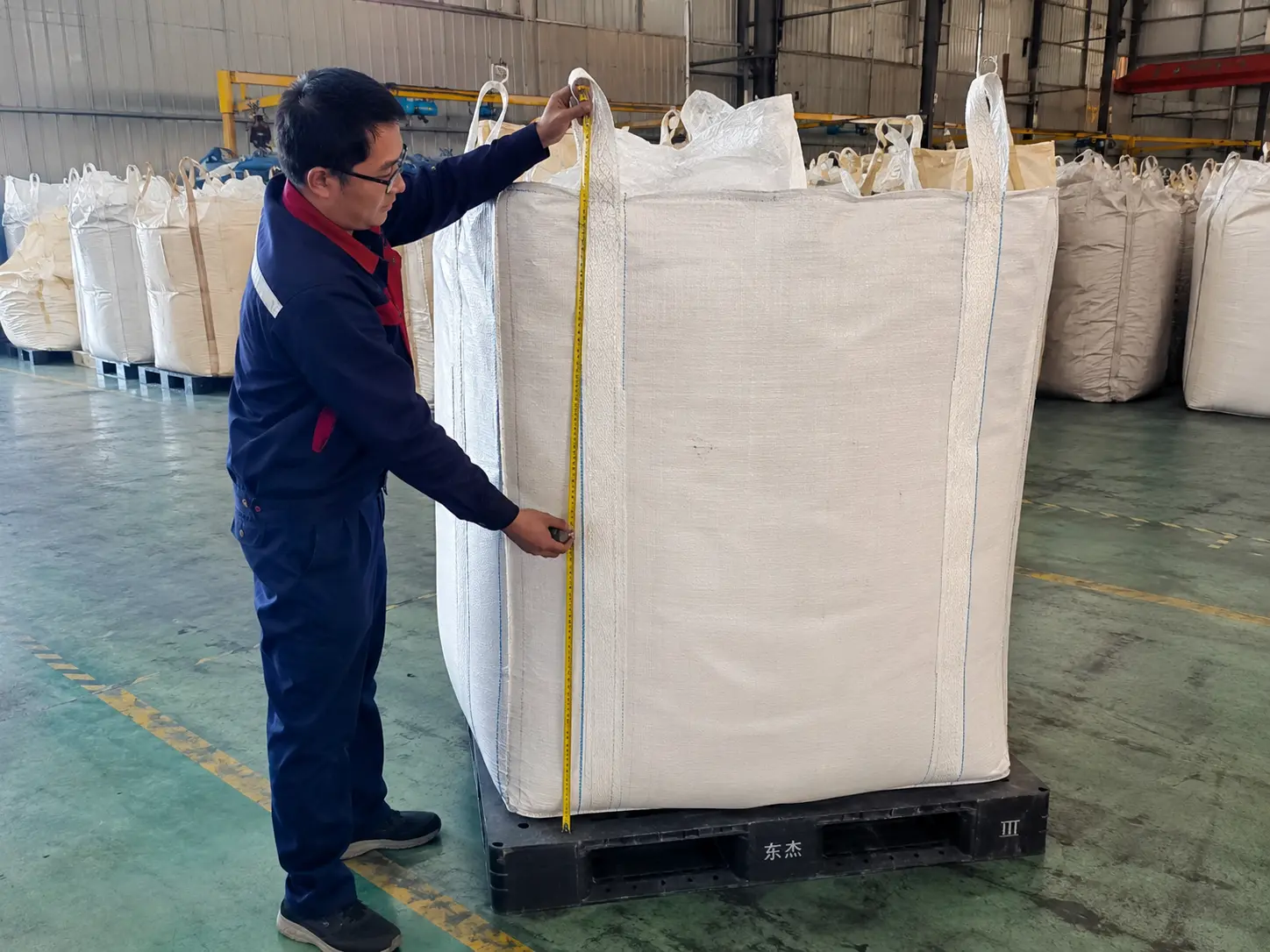
Bulk Bag Pre-Shipment QC: How Many Bags to Actually Check
How many bags to pull, what to check on each, and how defects get classified — pre-shipment QC is a method, not a supplier's reassurance.
Read guideFIBC Manufacturer Audit: 5 Checks Before You Order
Five things a supplier audit should verify — traceability, test reports, certification specifics, spec match and inspection access. No factory visit needed.
Read guide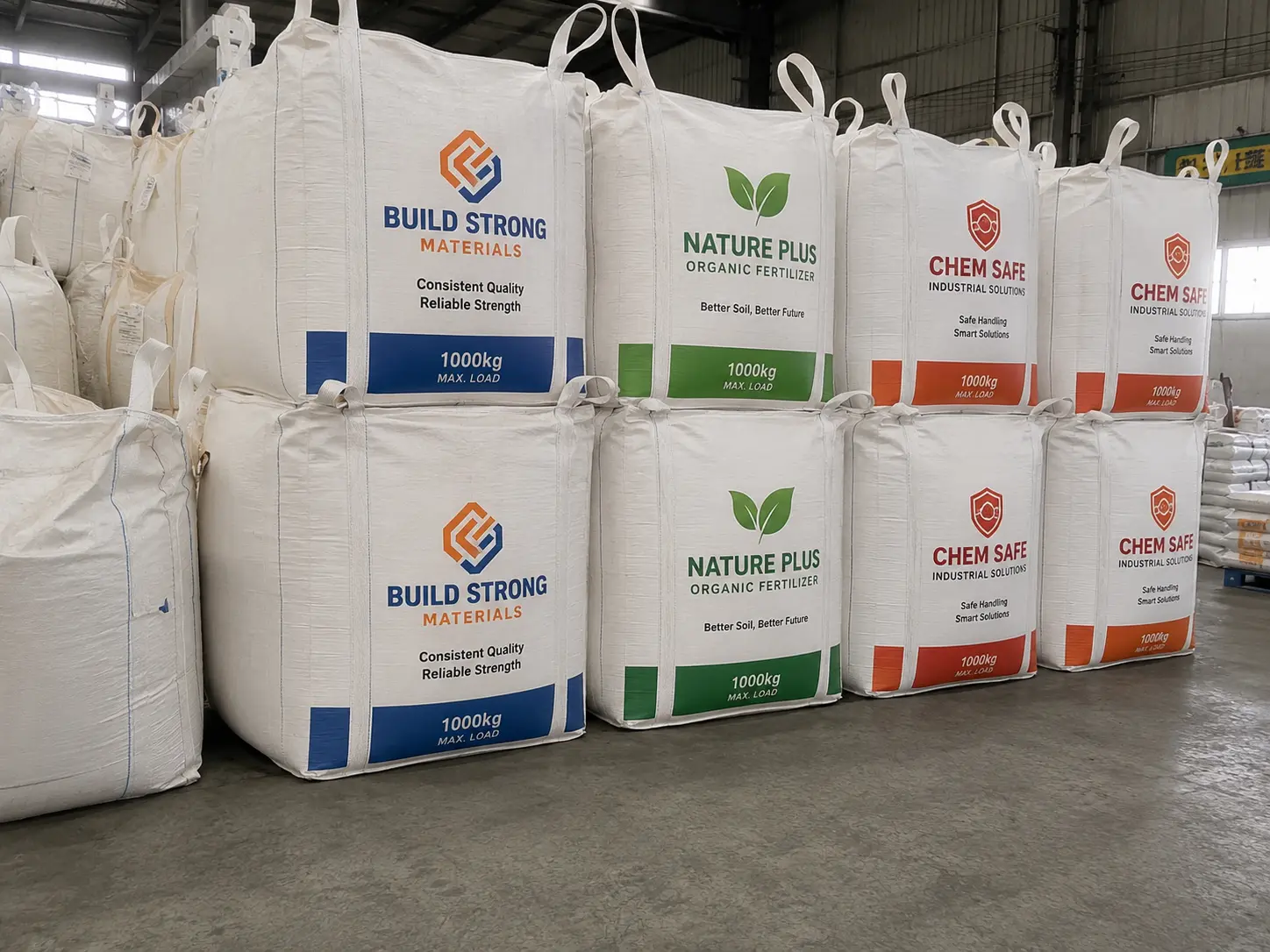
Custom Printed Bulk Bags: Why the First Order Costs More
Printing splits into a one-time plate fee per color and a small per-bag ink cost. Here's why that makes your first printed order the expensive one.
Read guideHow to Import Bulk Bags from China: MOQ, Lead Time & Shipping
Importing FIBC bulk bags from China means navigating MOQ, production lead time, freight terms and payment structure. Here's the framework, not just a price.
Read guideNew vs Used Bulk Bags: What Unknown Load History Costs
Used bags cost less upfront but carry unverifiable load history. The real savings usually come from new multi-trip bags, not secondhand ones.
Read guideWhere to Buy Bulk Bags: Distributor or Factory-Direct?
A distributor ships this week at a higher unit price; a factory quotes lower but wants lead time and volume. Here's the full tradeoff, not just speed.
Read guideCommon Questions
Why do bulk bag quotes vary so much for the same size?
Because size is only one line of the specification. Fabric weight, safety factor, coating, liner, loop and spout construction, printing and certification all change the cost. Compare quotes line by line against the same spec sheet rather than by bag size and headline price.
Should I buy bulk bags from a distributor or a factory?
A distributor suits small or urgent quantities from stock. A factory suits recurring, container-scale orders where the bag is built to your specification. Many buyers use both: a distributor for stopgap needs and factory-direct supply for the regular volume.
What should I check before a shipment leaves the factory?
Have bags sampled and inspected against the agreed specification before shipment — dimensions, fabric weight, loops, seams, labels and, where relevant, liner fit. A third-party inspector working to an agreed sampling plan gives you evidence before the balance is paid, not after the container arrives.