FIBC Standards and Compliance
Three sets of rules decide whether a bulk bag is fit for a job: structural standards, dangerous-goods transport rules and product-contact rules.
8 guides in this topic
Structural standards — ISO 21898 internationally and GB/T 10454-2025 in China — set the tests behind a bag’s safe working load and its 5:1 or 6:1 safety factor. Dangerous goods can only ship in bags built to a design certified under UN 13H1–13H4 for the product’s packing group. Food and pharmaceutical ingredients bring their own requirements: FDA rules in the US, EU food-contact regulation in Europe, and certifications such as BRCGS for the factory.
Static classification under IEC 61340-4-4 is covered in the static protection guides. The guides below explain what each standard actually tests, what the marking on the label means, and which documents to ask a supplier for before you order.
More Standards & Compliance Guides
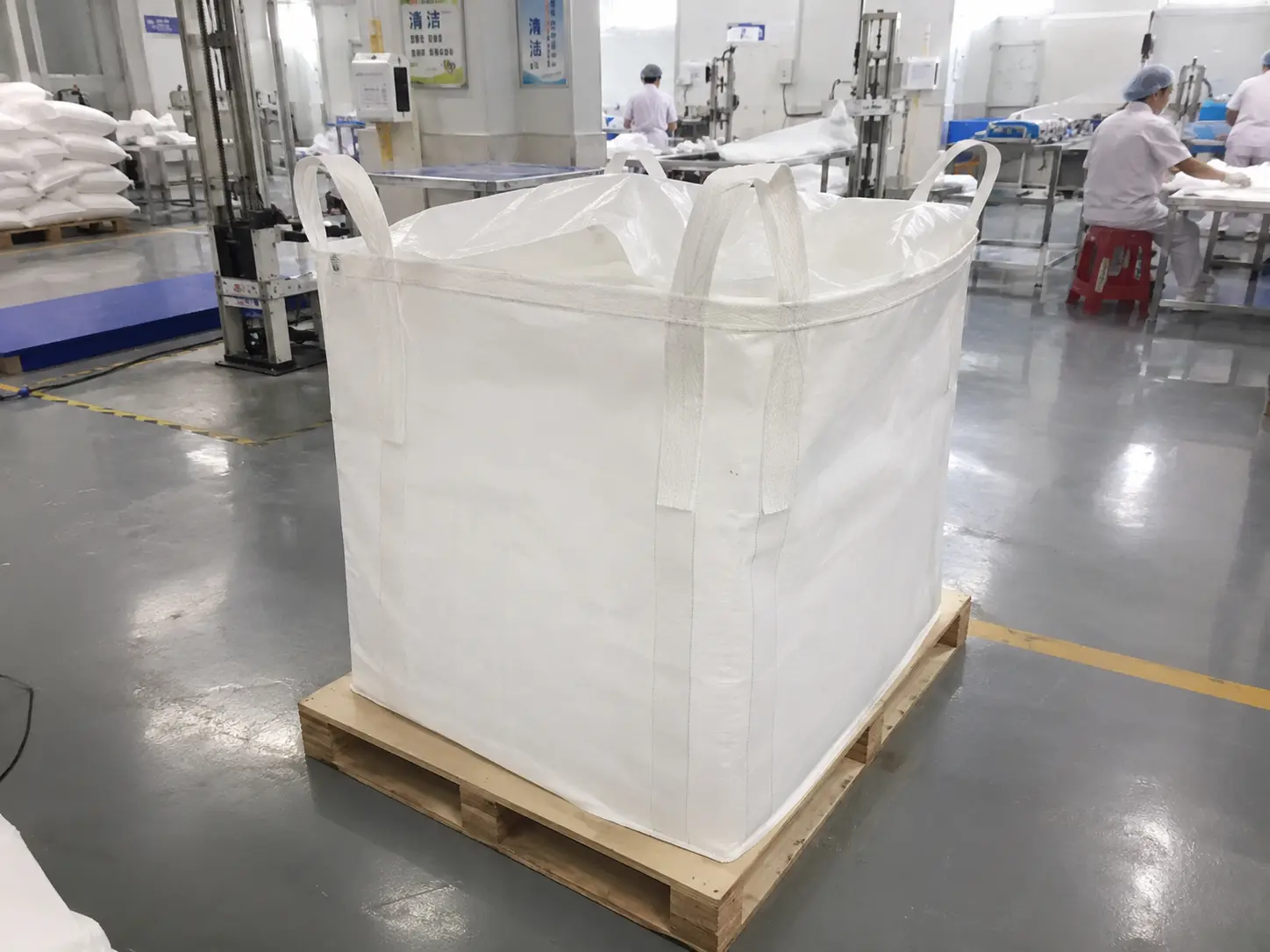
Pharma-Grade FIBC: Why Food Grade Isn't Close Enough
Cleanroom classification, a full GMP documentation chain and often two-way containment — pharma grade is a different category, not food grade with extras.
Read guide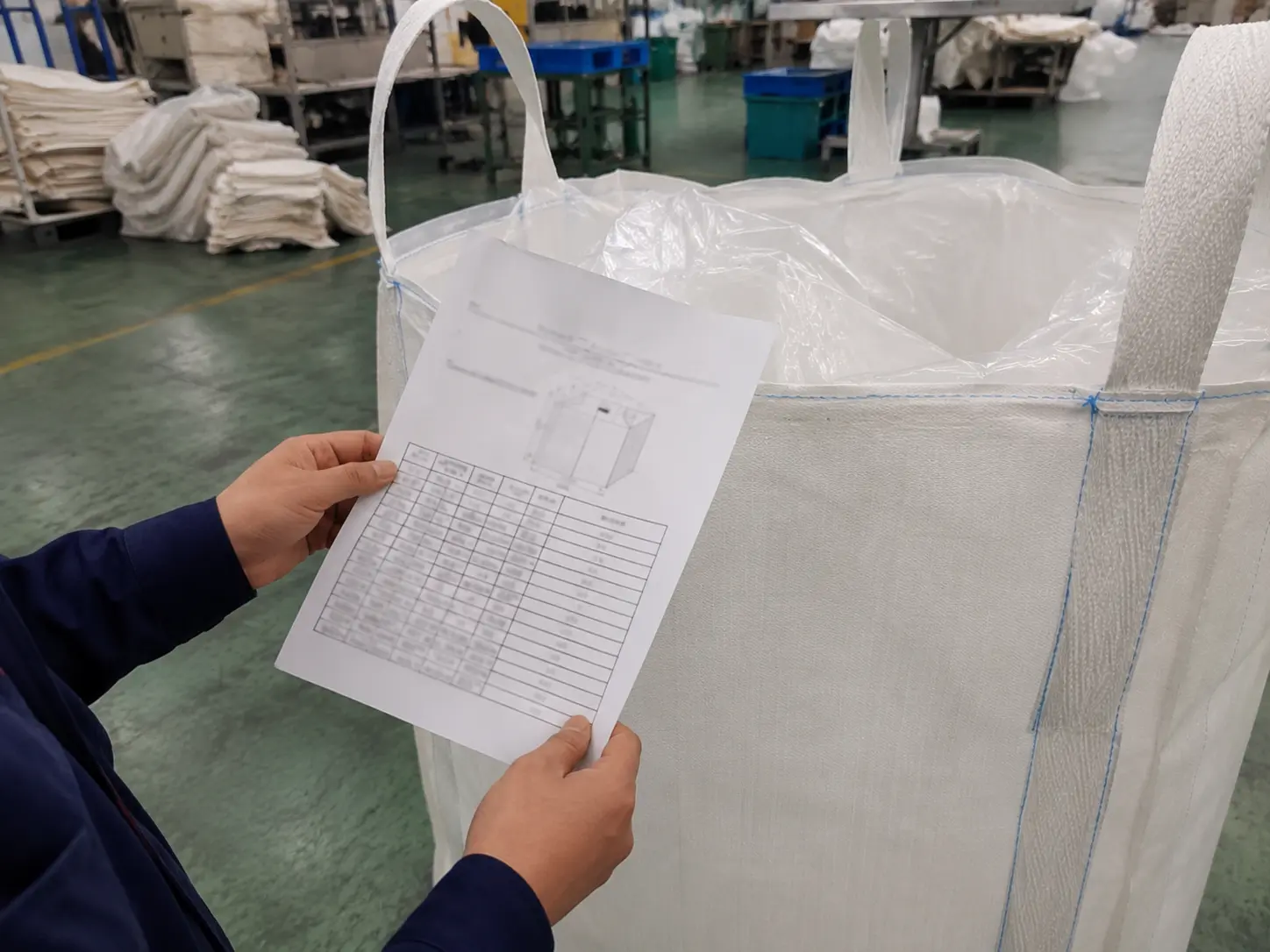
FIBC Safety Labels: An Unreadable Tag Means Stop Work
A bag whose label you can't read is a bag with unknown specifications. Here's what has to be on it, and why a faded tag stops the job.
Read guideGB/T 10454-2025: What Changed in China's FIBC Standard
Effective March 2026, GB/T 10454-2025 replaces two older standards and is the first to formally separate single-trip from multi-trip requirements.
Read guideISO 21898 FIBC Testing: Six Tests, Not One Pass/Fail
ISO 21898 is a suite — lift, drop, stacking, righting, tear and UV aging — each catching a failure mode the others miss. Here's what it checks.
Read guideBRC, FDA or EU? Match Food Certification to Your Market
BRCGS for UK/EU retail, FDA for the US, EU 1935/2004 for direct EU sale. They aren't interchangeable — here's which one your buyer actually needs.
Read guide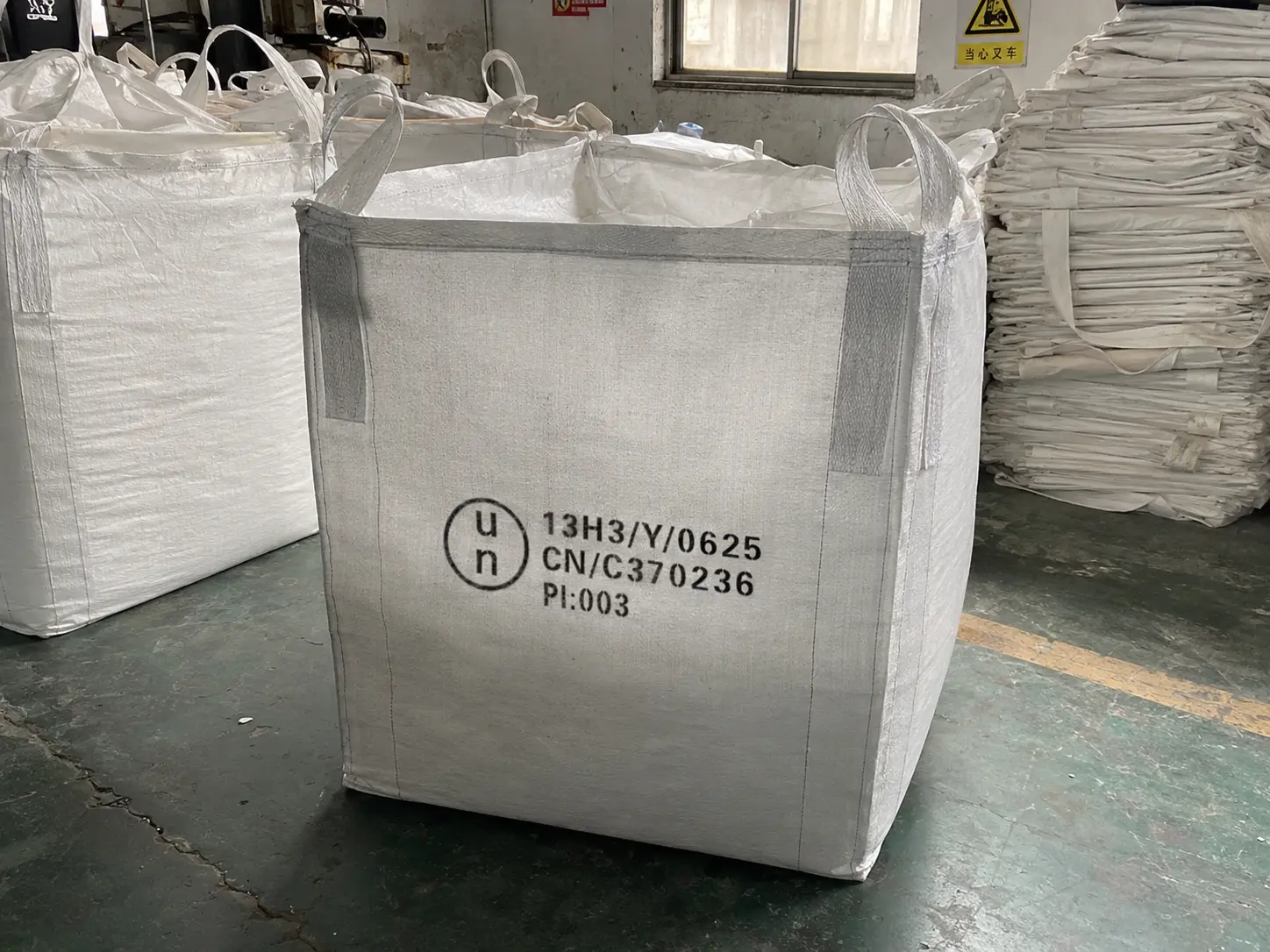
UN Certified FIBC Bags: What 13H1 to 13H4 Actually Mean
13H1 to 13H4 each describe a specific construction — coated or not, lined or not. The wrong code means packaging that doesn't match what's inside.
Read guide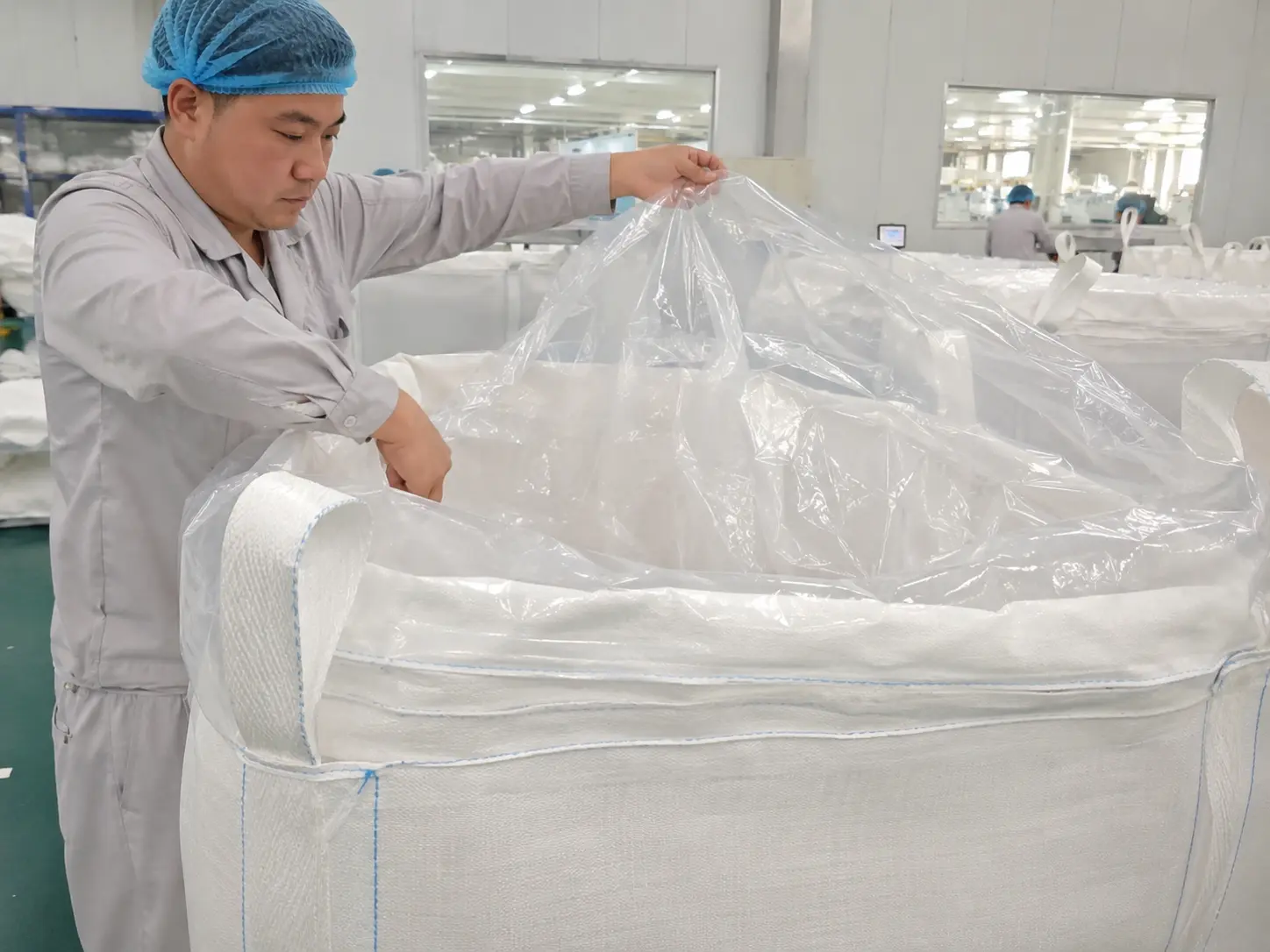
What Makes a Bulk Bag Food Grade? FDA Rules Explained
Food grade is defined by production environment and liner material, not by the label on a listing. Here's what actually makes an FIBC food-safe.
Read guideCommon Questions
What is the main international standard for FIBC bags?
ISO 21898 is the international standard for flexible intermediate bulk containers used for non-dangerous goods. It sets the performance tests — including the top lift test behind the 5:1 and 6:1 safety factors — and the marking requirements. Bags for dangerous goods add UN testing on top of it.
Do I need a UN certified bulk bag?
Only if your product is classified as dangerous goods for transport. In that case the bag must carry a UN 13H marking from a design tested for your product’s packing group, and the certification belongs to that specific tested design. Non-hazardous products do not need it.
What documents should a bulk bag supplier provide?
At minimum, test reports for the bag design against the relevant standard, a label showing the safe working load and safety factor, and batch traceability. Food and pharmaceutical orders add food-contact declarations for the liner and materials; UN orders add the certificate for the tested design.