Buy Like an Engineer
Practical guides for buyers: FIBC types, specifications, pricing and importing from China.
Guides by Topic
- 4 guidesStatic ProtectionType A, B, C and D — which class your product and site need.
- 7 guidesSizes & CapacityDimensions, weight ratings and what fits in a container.
- 13 guidesConstruction & MaterialsFabric, coatings, liners, loops, seams and baffles.
- 8 guidesStandards & ComplianceISO 21898, UN 13H, food and pharma grade.
- 10 guidesBuying & ImportingPrices, sourcing routes, tariffs and inspection.
- 9 guidesHandling & EquipmentUnloaders, racks, lifting, storage and end of life.
- 11 guidesApplicationsFertilizer, cement, grain, chemicals, minerals and more.
- Free toolBag CalculatorVolume, load weight and fabric area from your bag dimensions.
New to FIBC? Start With These
Latest Guides
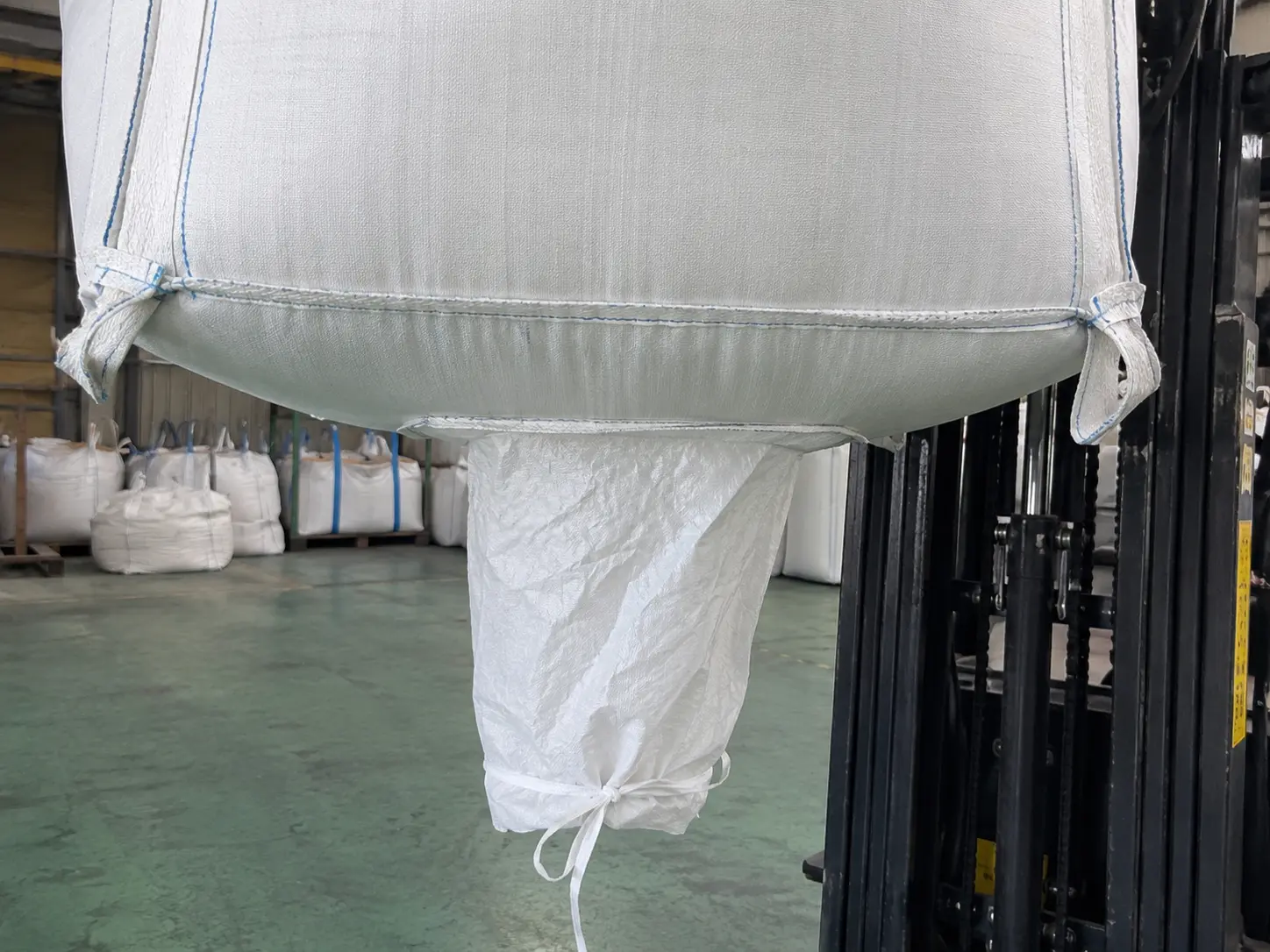
Bulk Bag Unloaders: Why the Bag Spec Matters More Than the Frame
Most bulk bag unloader problems start at the bag, not the frame: loops that hang the spout short of the clamp, spouts too narrow for the valve, liners that drag.
Read guide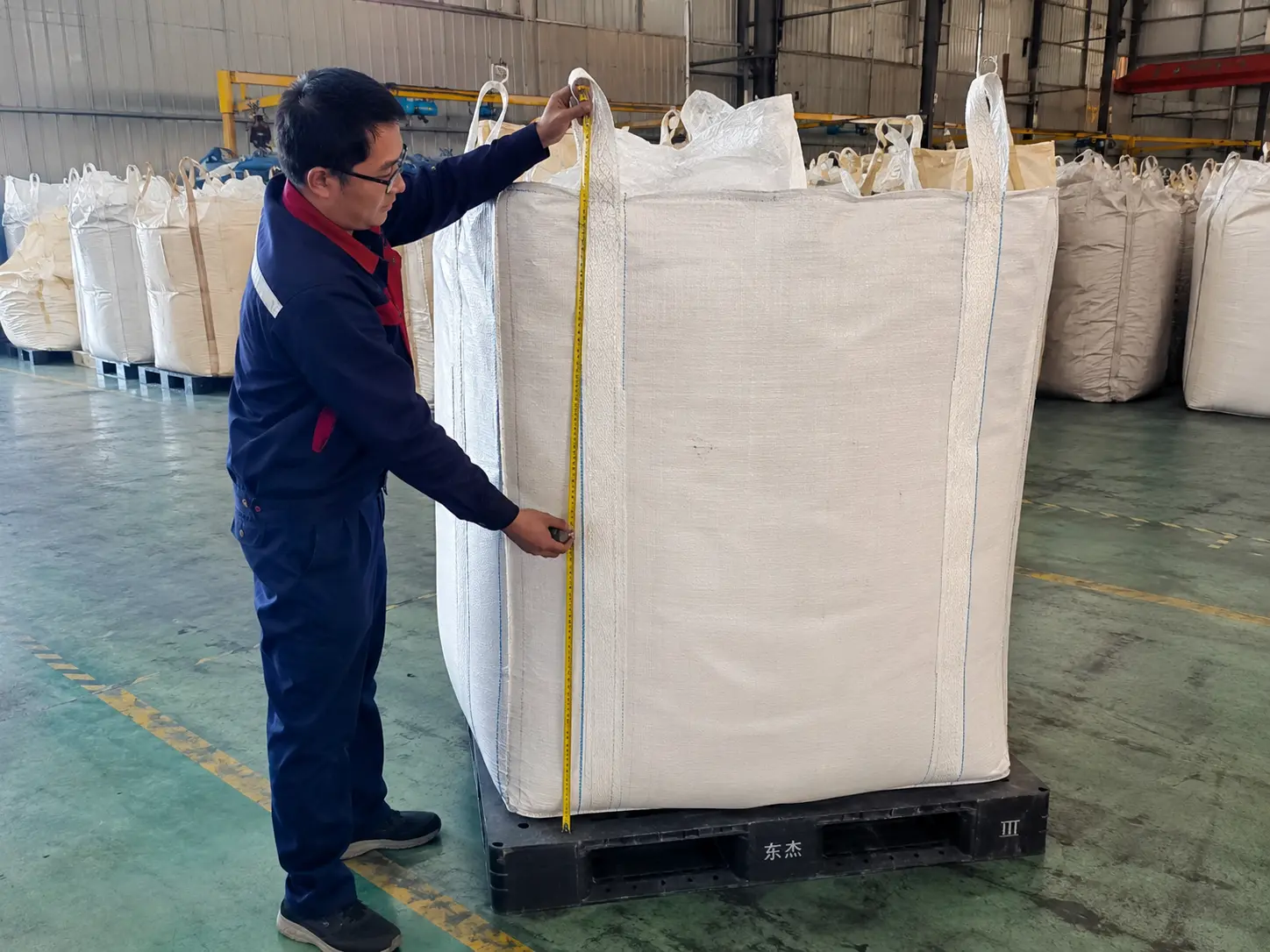
Super Sack Dimensions: Why a Bag of Sand Only Fills 60% Full
Standard super sack sizes in inches with the correct cubic feet for each — and why a 35×35×50 bag of sand hits its 2,200 lb rating at about 62% full.
Read guide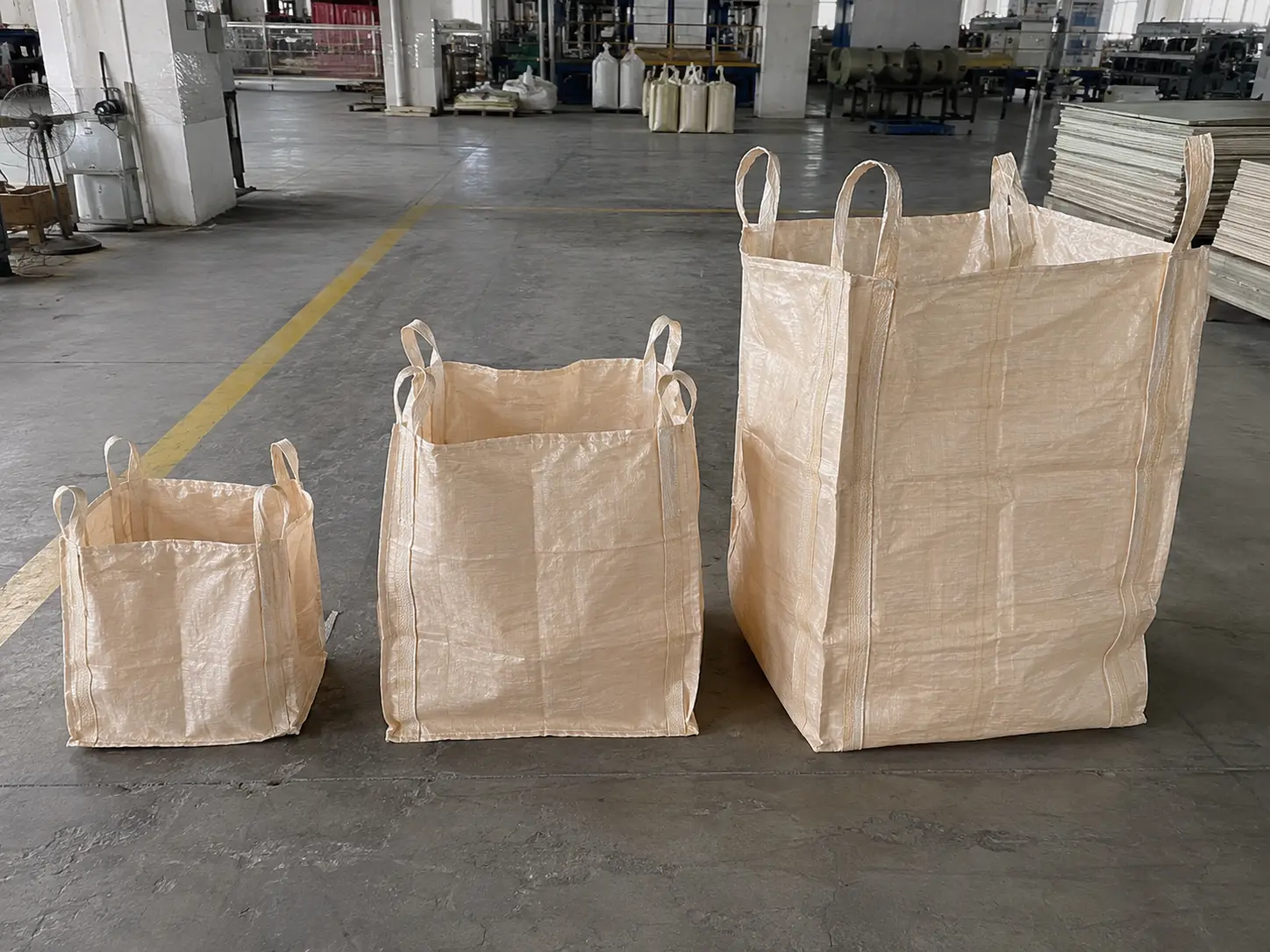
Hemp Super Sacks: You're Buying Volume, Not Strength
Dried hemp biomass is so light a super sack fills at under a fifth of its rating. Size the bag for volume, and seal it only once drying has finished.
Read guide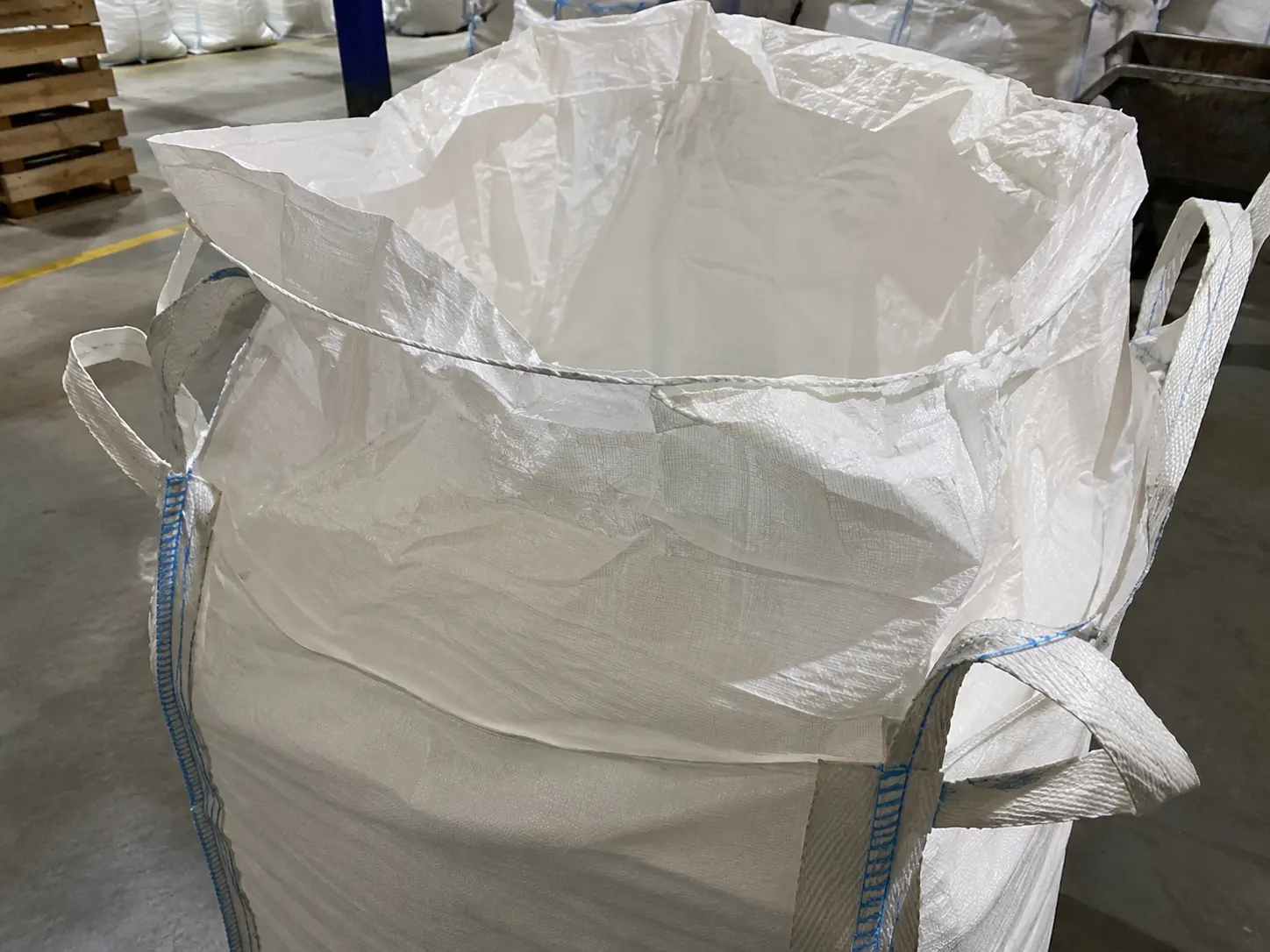
Bulk Bag Stands: How to Fill a Super Sack Without a Machine
A bulk bag stand holds the empty bag open and square. It cannot weigh the fill — and a bag shovelled to the brim with sand can be well over its rating.
Read guide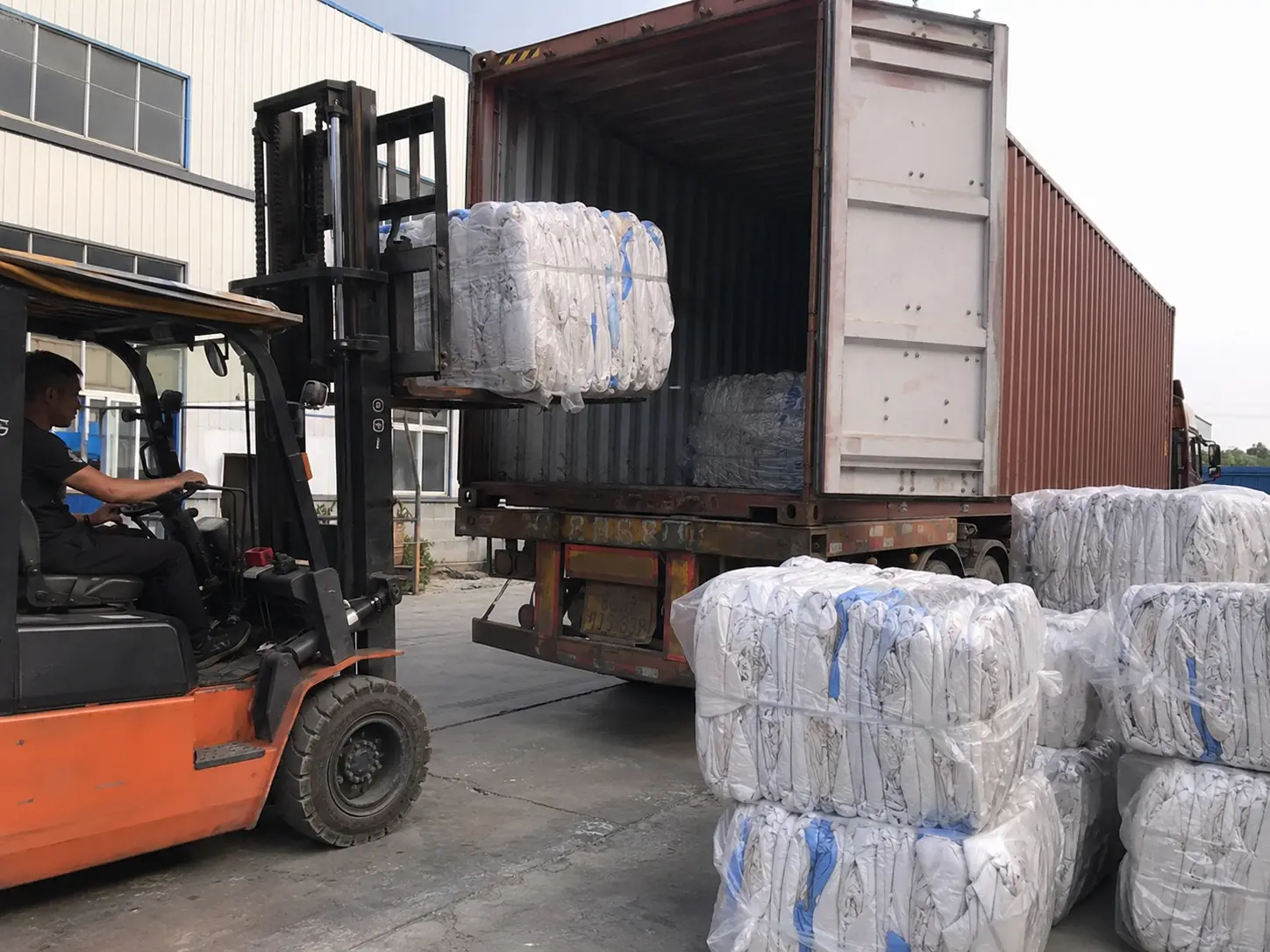
Jumbo Bag Loading in a Container: Weight Runs Out Before Space
Filled bulk bags of dense product hit a container's payload limit long before its floor is full. How to load, balance and secure them so nothing shifts.
Read guide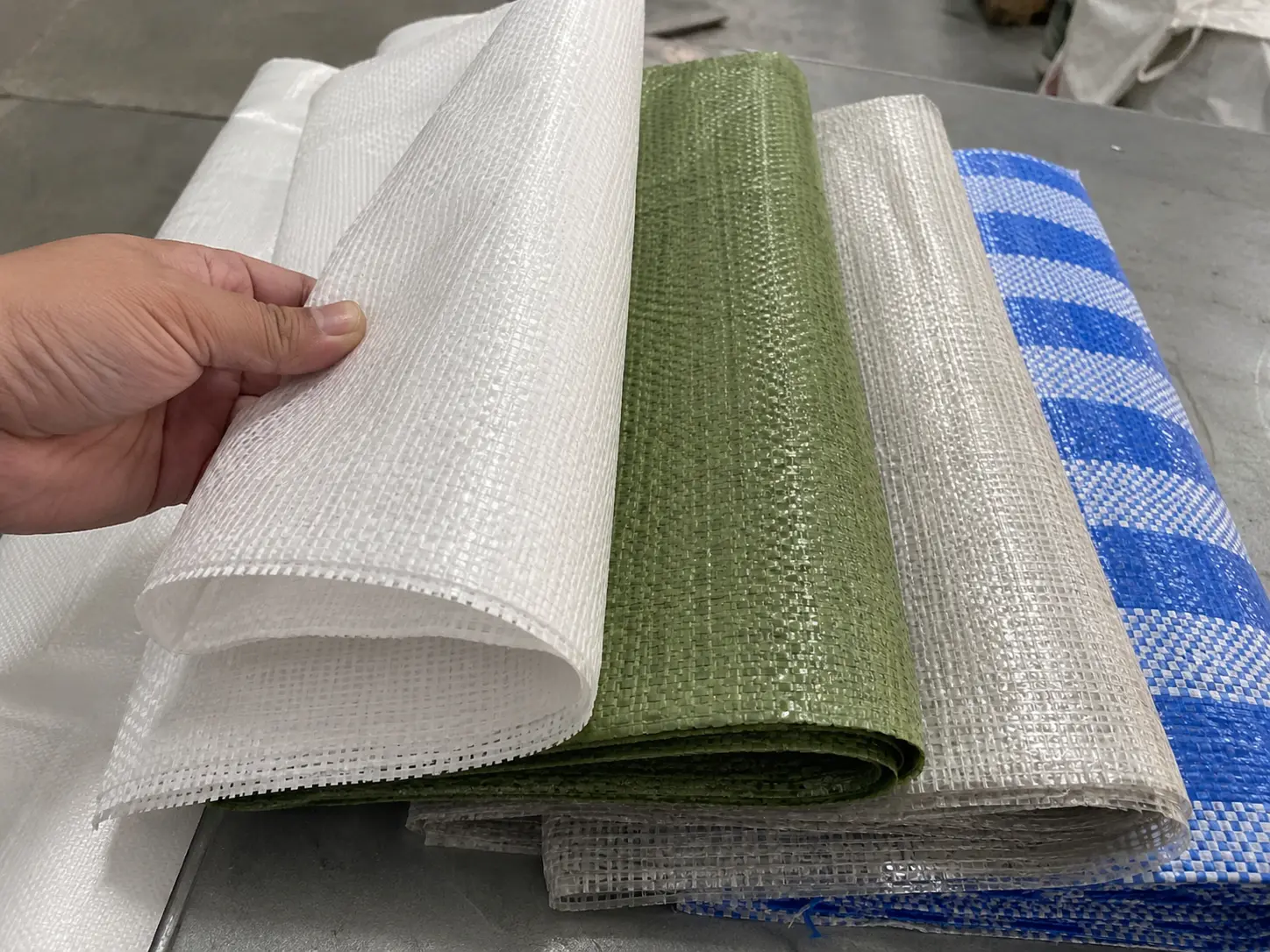
Super Sack Cofferdams: The Bag Holds Weight, Not Water
A super sack cofferdam is a mass structure, not a seal. Woven polypropylene seeps, so the bag supplies ballast and a separate membrane has to stop the water.
Read guideSuper Sack Racks: Why the Bag Spec Decides Which Rack Works
Rack vendors sell capacity and stack height. What they rarely mention is the bag — its filled footprint, shape and bottom decide whether any rack works.
Read guideBulk Bag Closures: The Knot That Holds a Tonne Against It
Closure type is decided at the order stage and lived with at discharge. A drawstring carries the whole load against one knot, which is why it jams shut.
Read guide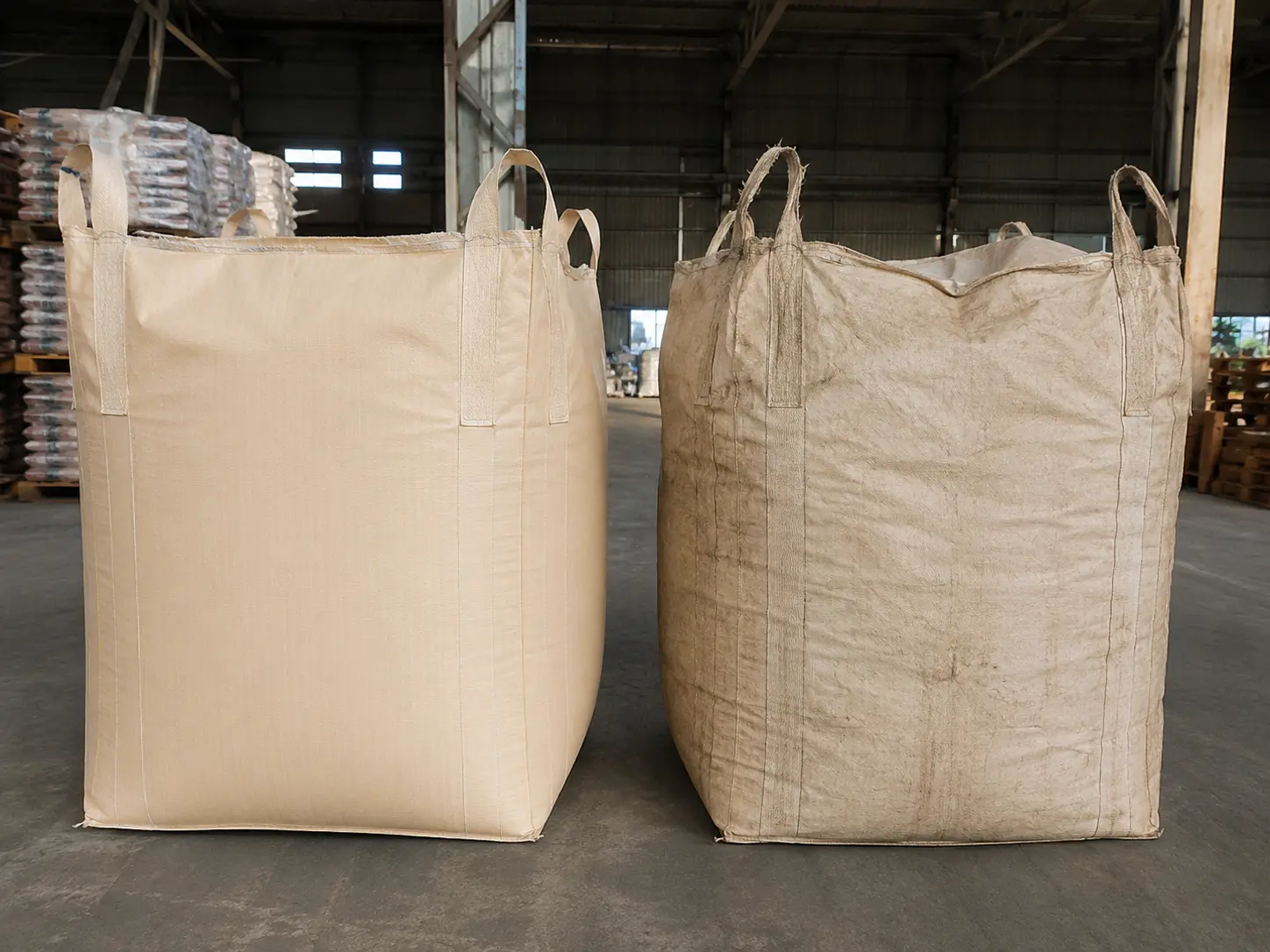
Inspected Used Bulk Bags: Why a 5:1 Bag Can't Be Reused
Inspected is not a standard — it covers everything from a visual glance to light-table and loop-pull testing. No inspection makes a single-trip bag reusable.
Read guideMini Bulk Bags: Why Dense Products Need a Smaller Bag
The reason to order a mini bulk bag is almost never a small order. It is density — a heavy product hits the safe working load long before the bag is full.
Read guideBulk Bags for Coffee Beans: The 12% Moisture Problem
Green coffee is not a dry cargo. It ships in a narrow moisture band, and the real threat in a container is condensation putting water back into the bean.
Read guideHow to Empty a Bulk Bag Safely: Plan for the Flow Stopping
Discharge methods get chosen for how material flows when everything works. The injuries happen in the next ten minutes, when it stops and someone intervenes.
Read guideAbout This Hub
How often does PackTonne publish new FIBC guides?
We publish new buyer guides weekly, covering bag types, specifications, pricing and import logistics. This hub grows as our team answers real questions from importers.
Are these guides specific to PackTonne or general industry information?
Most content covers general FIBC industry standards and buying practices — useful whichever supplier you work with. Where we reference our own capabilities, we say so explicitly.
Can I ask about a topic that isn't covered here yet?
Yes. Send us your question directly and we will answer within 24 hours — and often turn recurring questions into a new guide.
Have a question these guides don't answer? Send us your question directly and we will answer within 24 hours.
Ask a Question