Buy Like an EngineerPage 6 of 6
Practical guides for buyers: FIBC types, specifications, pricing and importing from China.
All Guides — Page 6
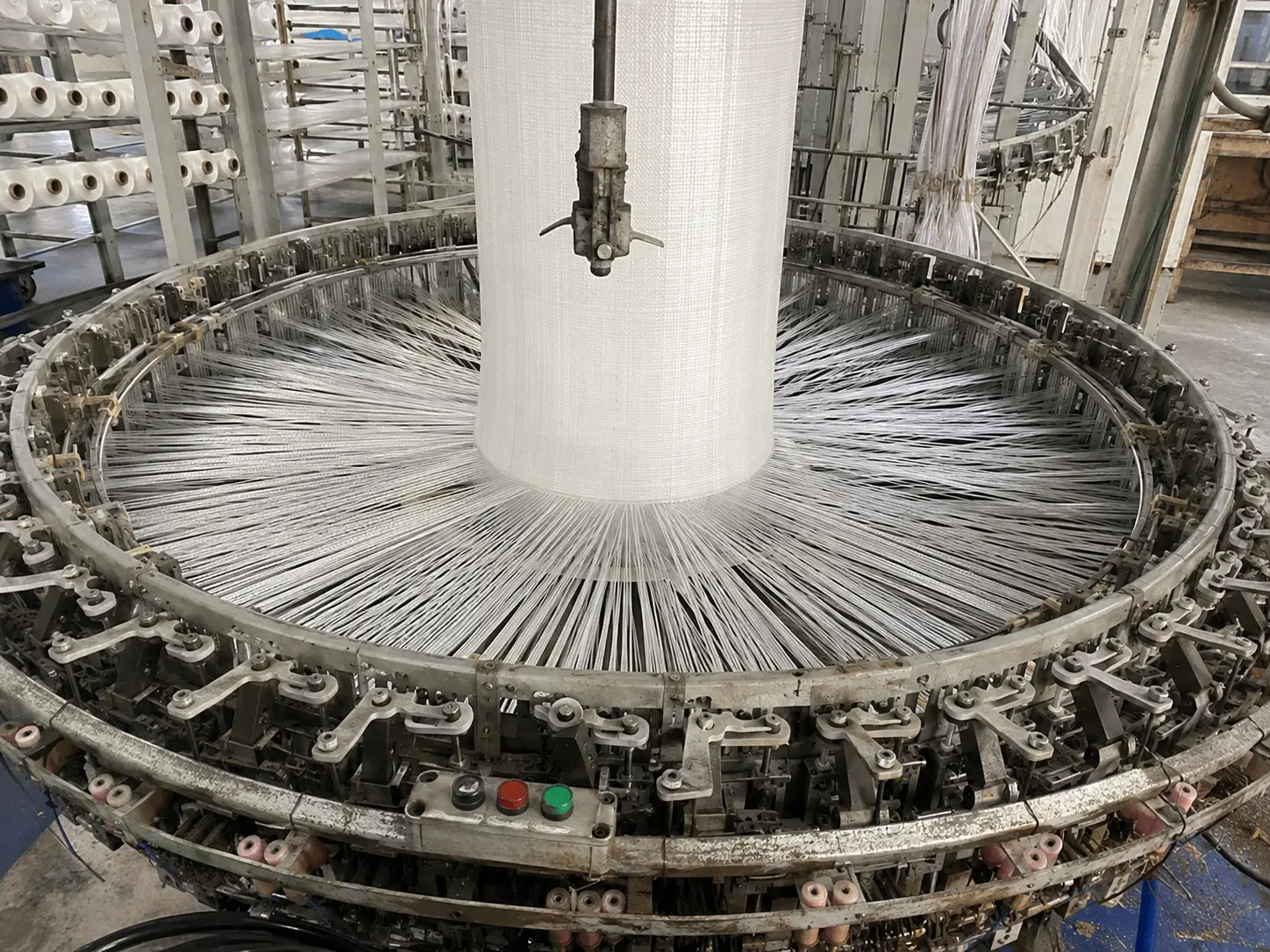
How Are FIBC Bags Manufactured? The Six Stages That Matter
From PP resin to finished bag: extrusion, weaving, cutting, reinforced sewing, liner fitting and QC — and where each stage decides real strength.
Read guide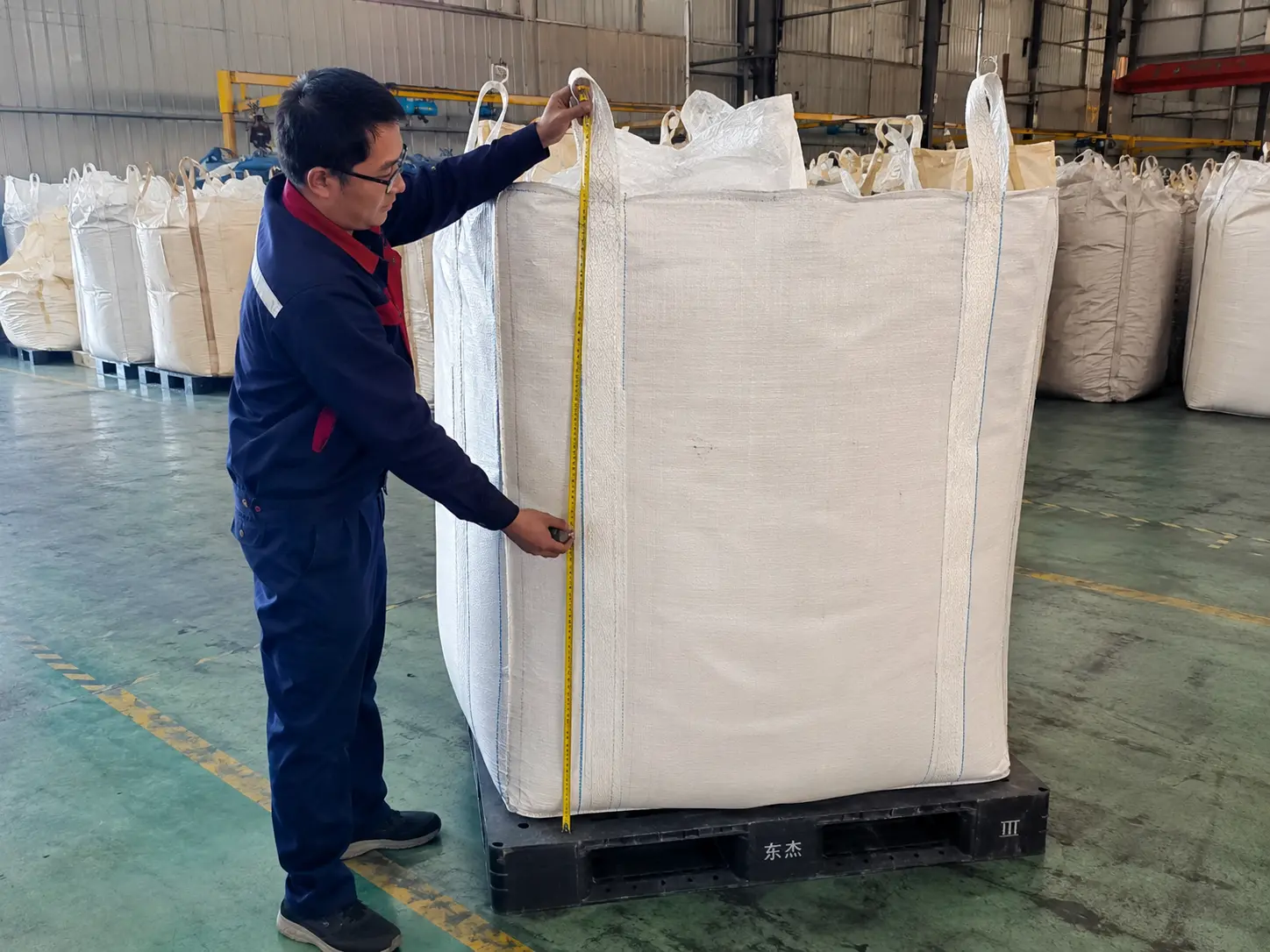
What Is a Super Sack? FIBC vs Bulk Bag vs Jumbo Bag Explained
Super sack, FIBC, bulk bag and jumbo bag all describe the same product. Here's where each term comes from and why suppliers use them differently by region.
Read guideWhat Is Woven Polypropylene? The Fabric Behind Every Bulk Bag
Woven polypropylene is extruded PP tape woven on a circular loom. Here's how that weave creates a bag's strength — and what GSM actually tells you.
Read guide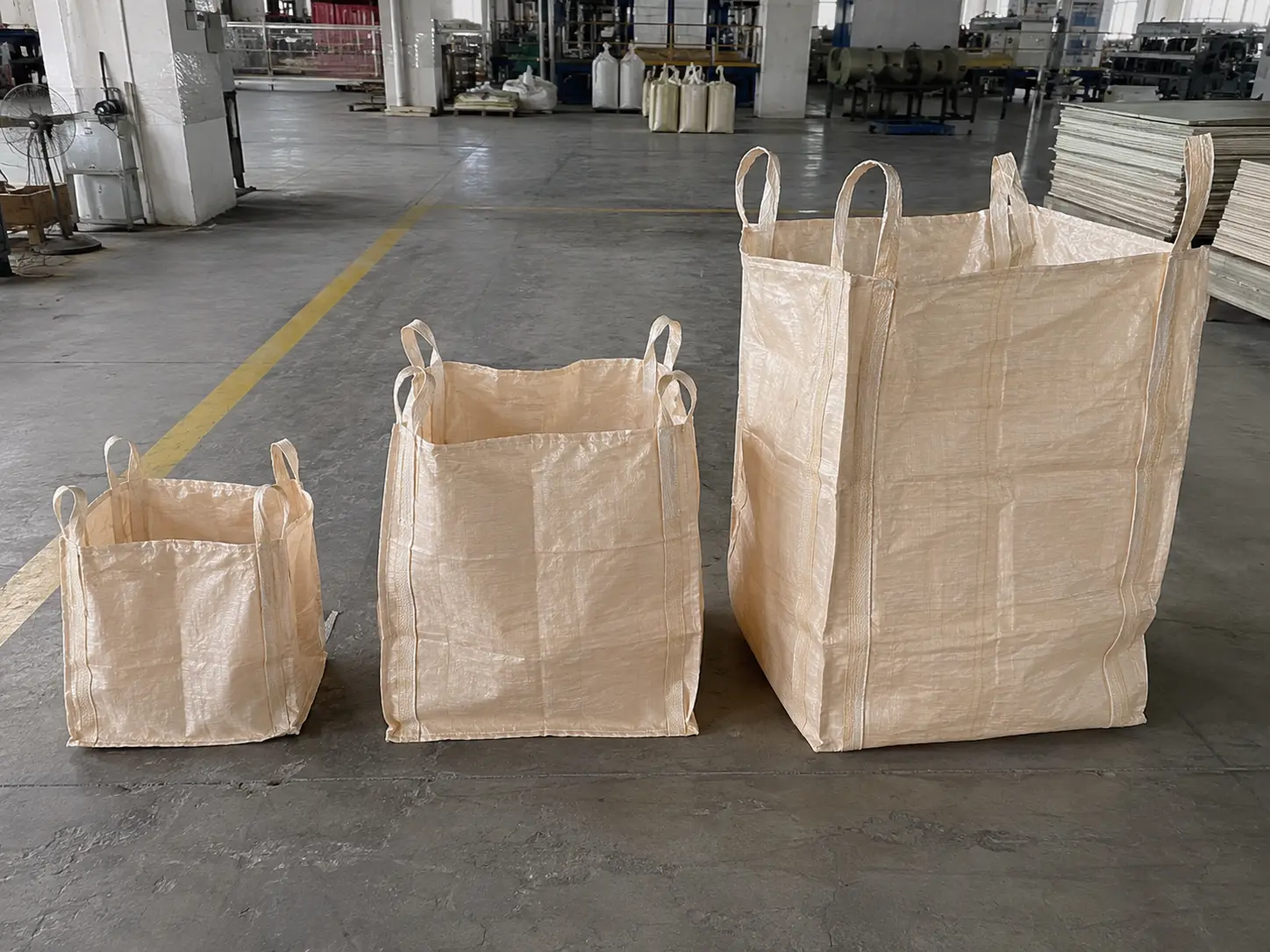
Bulk Bag Dimensions: Why 90×90×110 Doesn't Fit Every Product
A capacity chart gets bag size wrong for anything lighter or denser than average. Here's the bulk density calculation that actually sizes a bag right.
Read guide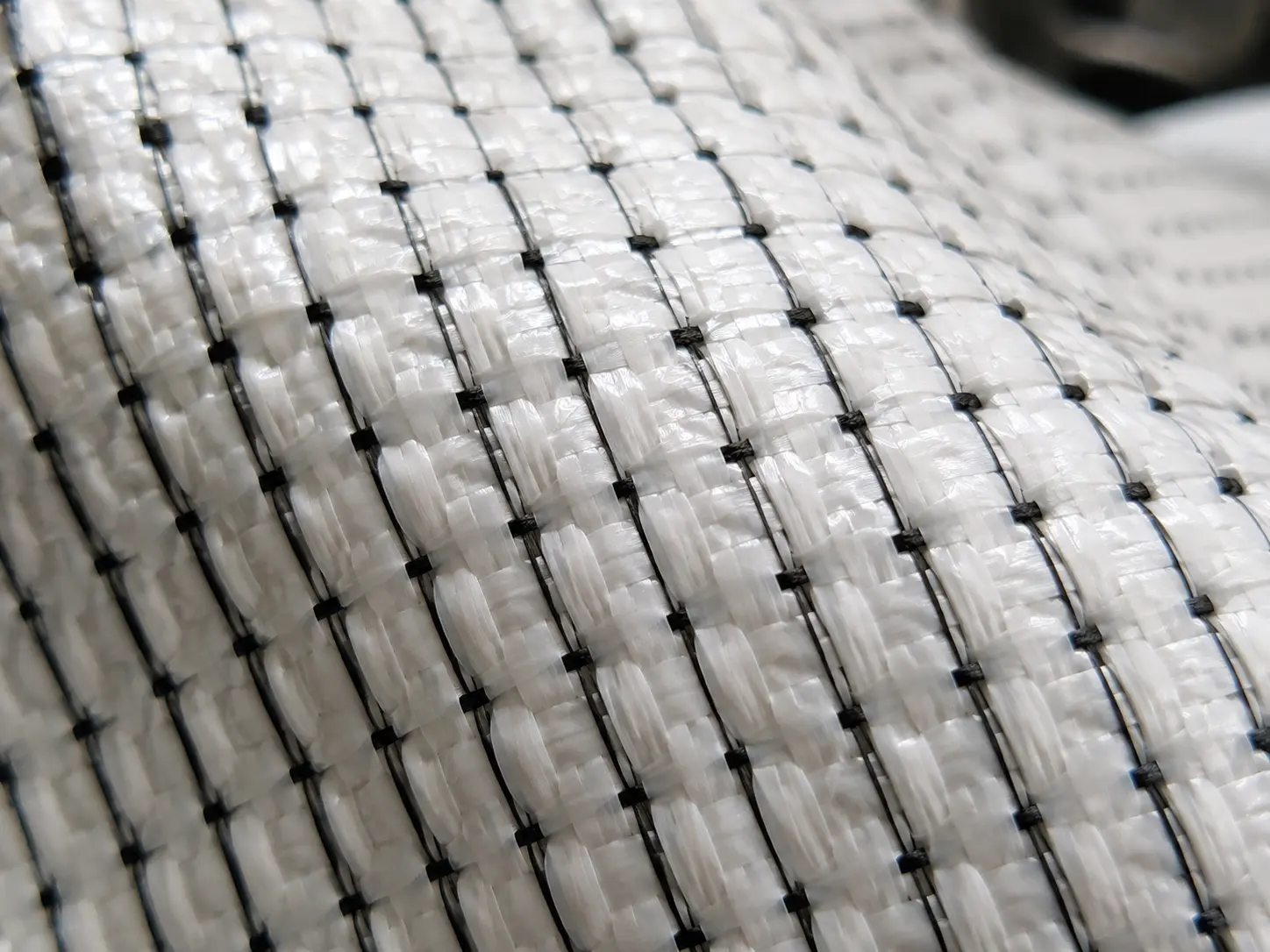
Type A vs B vs C vs D FIBC: Which Static Class Do You Need?
Static protection depends on what's near the bag during filling — flammable dust, solvent vapor, or nothing at all. Here's how to match the class to real risk.
Read guide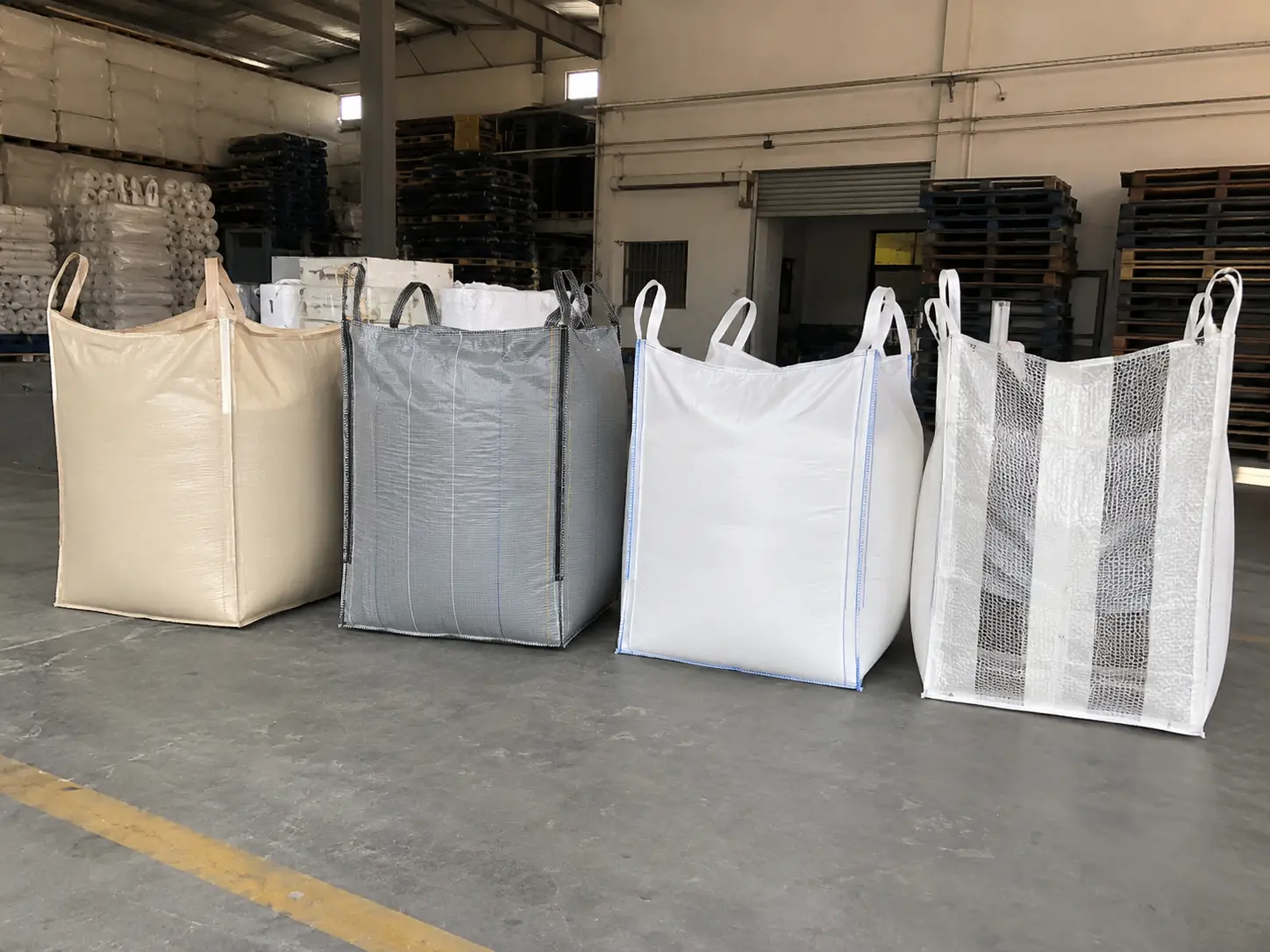
Types of FIBC Bags: A/B/C/D, Baffle, Food Grade Explained
Six FIBC types cover nearly every bulk product. Which one you need depends on what's inside the bag — flammability, moisture, hazard class — not price.
Read guide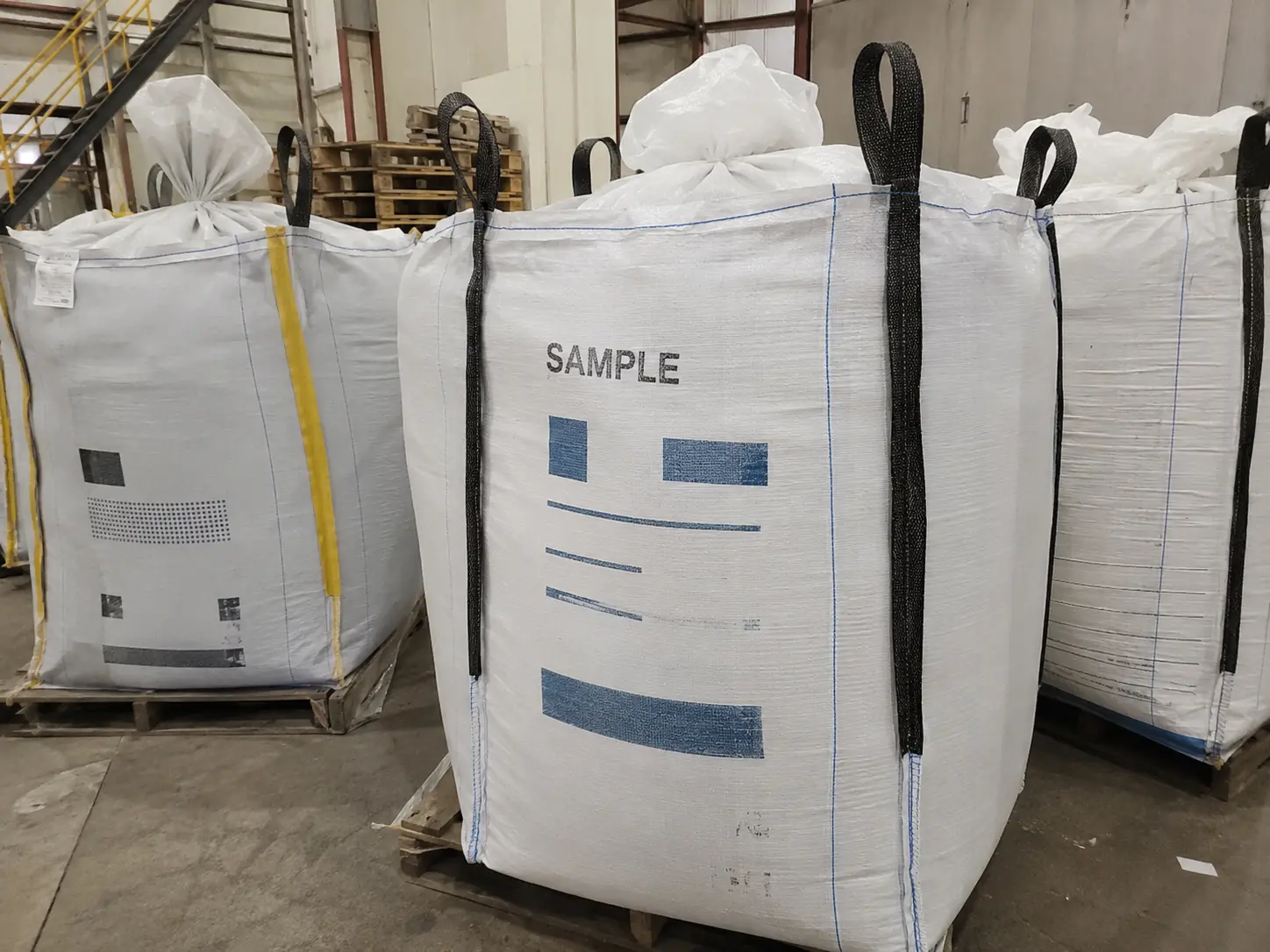
FIBC Bulk Bag Prices 2026: Why the Same Size Can Vary 60%
A basic FIBC and a certified, printed, lined bag of the same size can differ by 60% or more. Here's what actually drives FIBC bulk bag prices in 2026.
Read guideHave a question these guides don't answer? Send us your question directly and we will answer within 24 hours.
Ask a Question