FIBC Sizes and Capacity
A bulk bag is sized by two limits — the volume its dimensions enclose and the weight its rating allows — and your product’s bulk density decides which one you reach first.
7 guides in this topic
Dense products such as sand, cement and ore concentrate reach the safe working load with part of the bag still empty. Light products such as resin pellets and grain fill the bag well below its rating. The common 90 × 90 × 110 cm bag — about 35 × 35 × 43 inches — is a starting point, not an answer.
The guides below cover standard dimensions in metric and in inches, when a mini or 1-ton bag fits the load better, how tare, net and gross weight appear on shipping paperwork, and how many bags a container takes before weight runs out. To run the numbers for your own product, use the FIBC bag calculator.
More Sizes & Capacity Guides
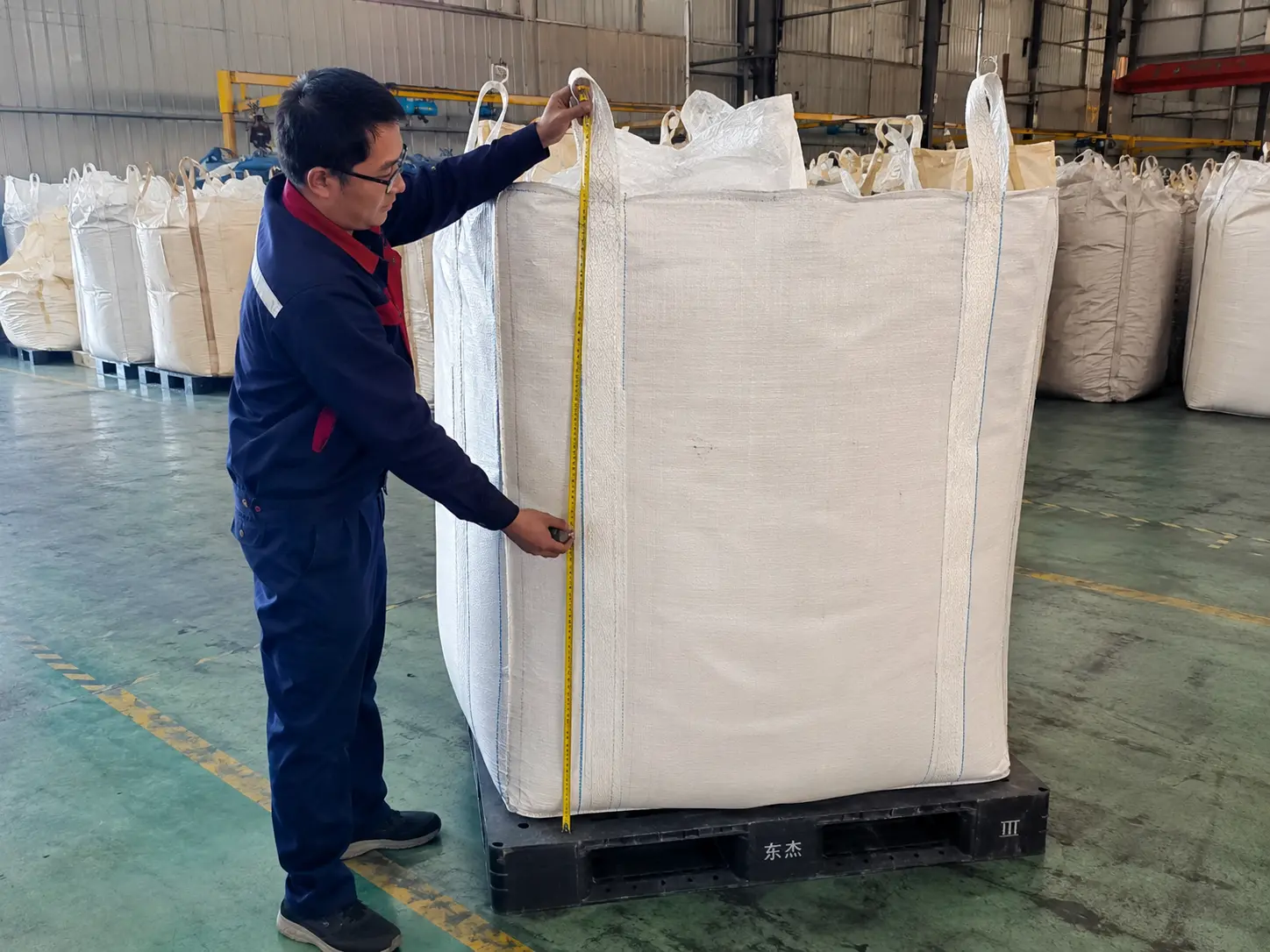
Super Sack Dimensions: Why a Bag of Sand Only Fills 60% Full
Standard super sack sizes in inches with the correct cubic feet for each — and why a 35×35×50 bag of sand hits its 2,200 lb rating at about 62% full.
Read guide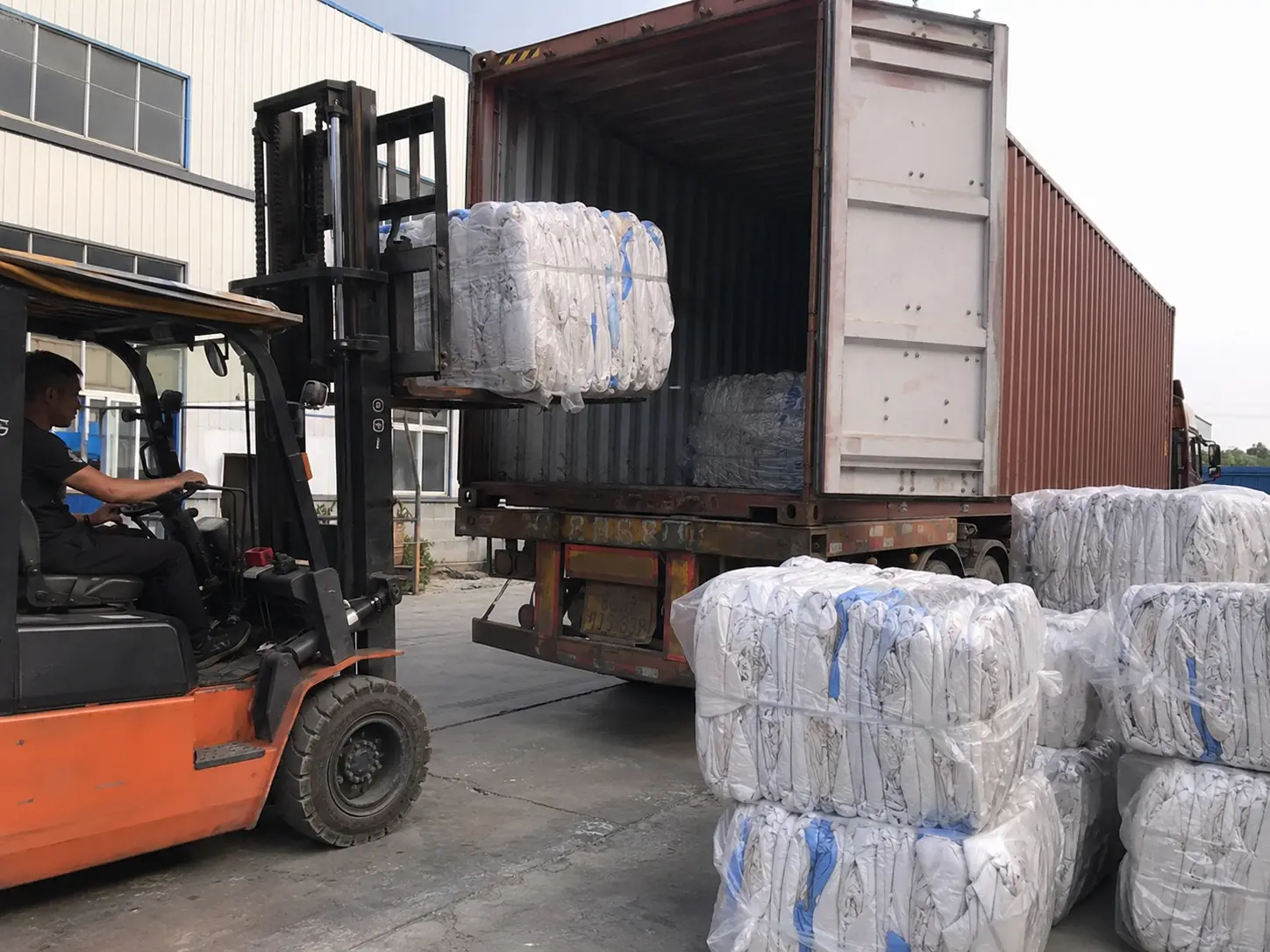
Jumbo Bag Loading in a Container: Weight Runs Out Before Space
Filled bulk bags of dense product hit a container's payload limit long before its floor is full. How to load, balance and secure them so nothing shifts.
Read guide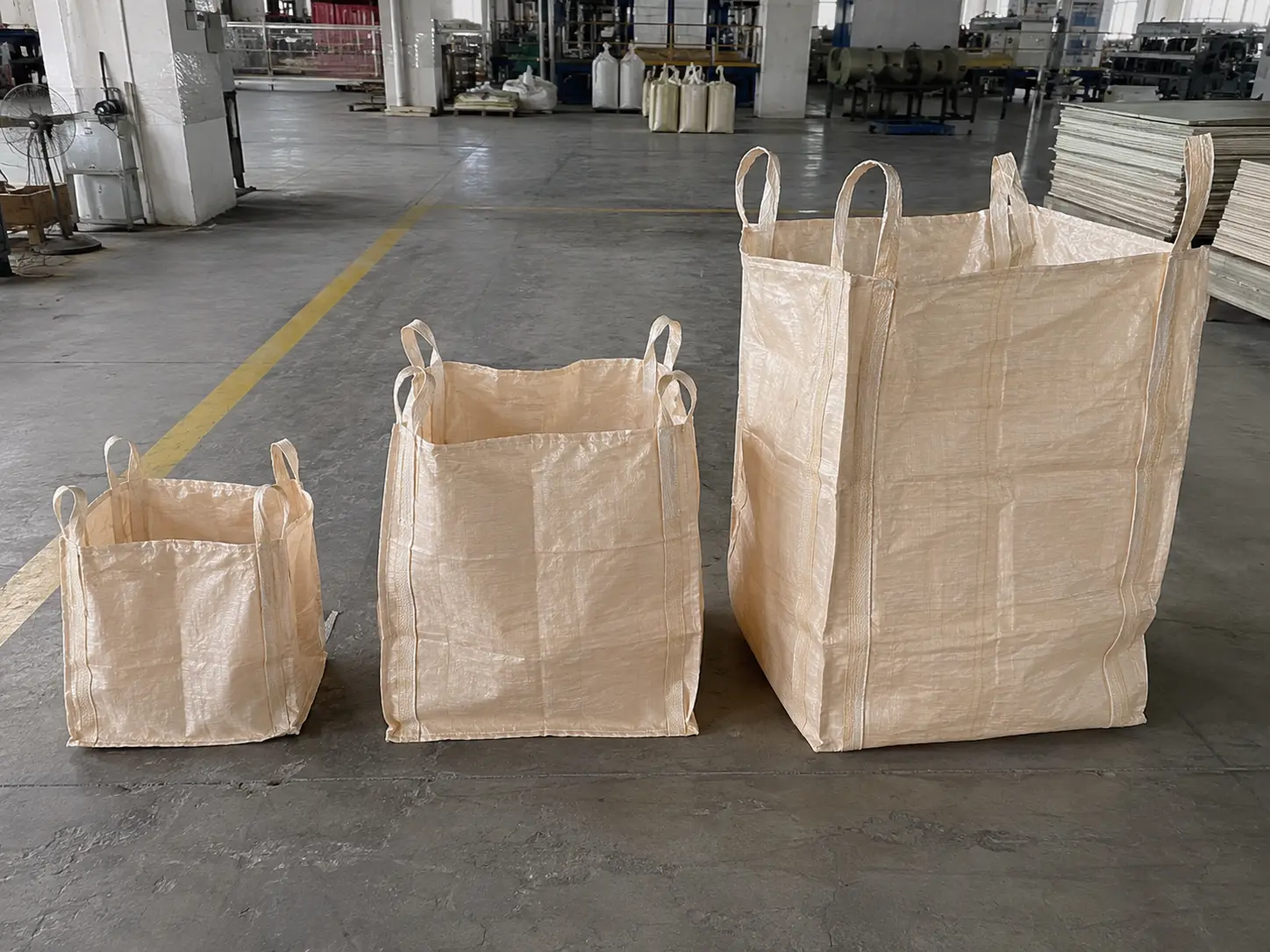
Mini Bulk Bags: Why Dense Products Need a Smaller Bag
The reason to order a mini bulk bag is almost never a small order. It is density — a heavy product hits the safe working load long before the bag is full.
Read guideTare, Net and Gross Weight: The Three Numbers on a Bag
Mixing up tare, net and gross weight causes freight billing errors and customs delays. Here's how the three numbers actually relate on a shipment.
Read guide1 Ton Bags: Why Rated Capacity Isn't the Breaking Point
A 1 ton bag's rating is its safe working load — not its breaking point. Here's how SWL, safety factor and real breaking strength actually relate.
Read guideHow Many Bulk Bags Fit in a 40ft Container?
Loading count depends on pallet vs floor loading, bag size, fabric and liner. Here's the working reference point and what moves it up or down.
Read guideCommon Questions
What size bulk bag do I need?
Divide your target fill weight by your product’s bulk density to get the volume you need, then choose dimensions that give that volume with headspace for the closure. Check the result against the bag’s safe working load — for dense products the rating, not the volume, sets how full the bag gets.
What is the most common bulk bag size?
Around 90 × 90 × 110 cm, rated for 1,000 kg — about 35 × 35 × 43 inches or 31.5 cubic feet. It is common because it suits products near 1 t/m³ and fits a standard pallet, not because it is the right size for every product.
Why does my bag reach its weight limit before it is full?
Because your product is dense. A bag’s volume and its rating are set separately, so a heavy product can reach the safe working load at 60–70% of the bag’s volume. A shorter or smaller bag matched to the load avoids paying for fabric you cannot fill.