Bulk Bag Handling Equipment
Bulk bag handling covers everything between filling and disposal — lifting, moving, storing, emptying and, at the end, repairing or recycling the bag.
9 guides in this topic
The equipment — filling stands, racks, spreader bars, unloaders and discharge stations — is only half of it. Each piece meets the bag at its loops, spout, dimensions or rating, and most handling problems start where the two don’t match: loops that don’t suit the lifting gear, a spout that doesn’t fit the valve, a stack built from bags that were never meant to carry one.
The guides below cover each stage from the bag’s side, so you can write a bag spec that fits the equipment you already have — or know what to check before buying new equipment for the bags you use.
More Handling & Equipment Guides
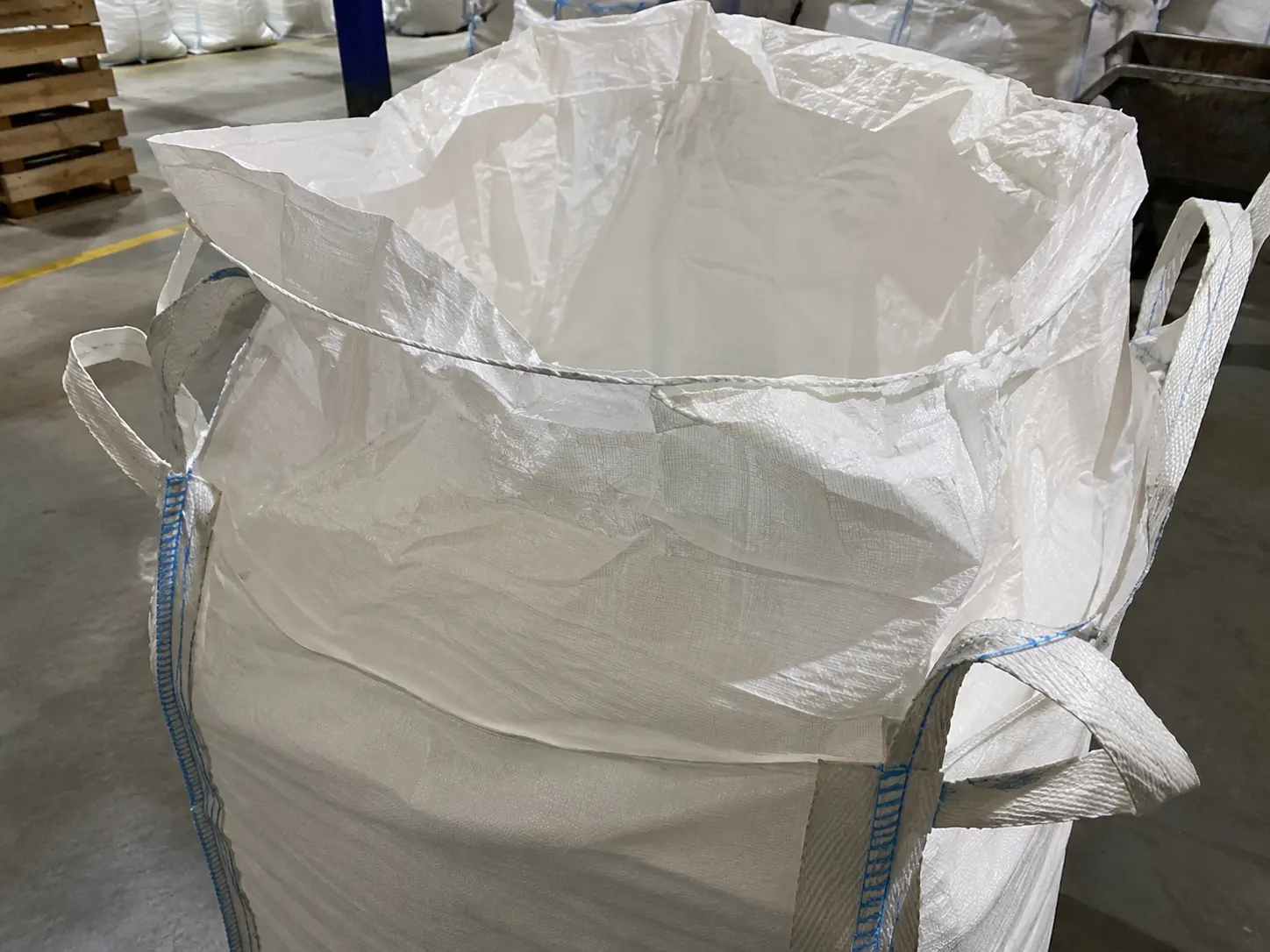
Bulk Bag Stands: How to Fill a Super Sack Without a Machine
A bulk bag stand holds the empty bag open and square. It cannot weigh the fill — and a bag shovelled to the brim with sand can be well over its rating.
Read guide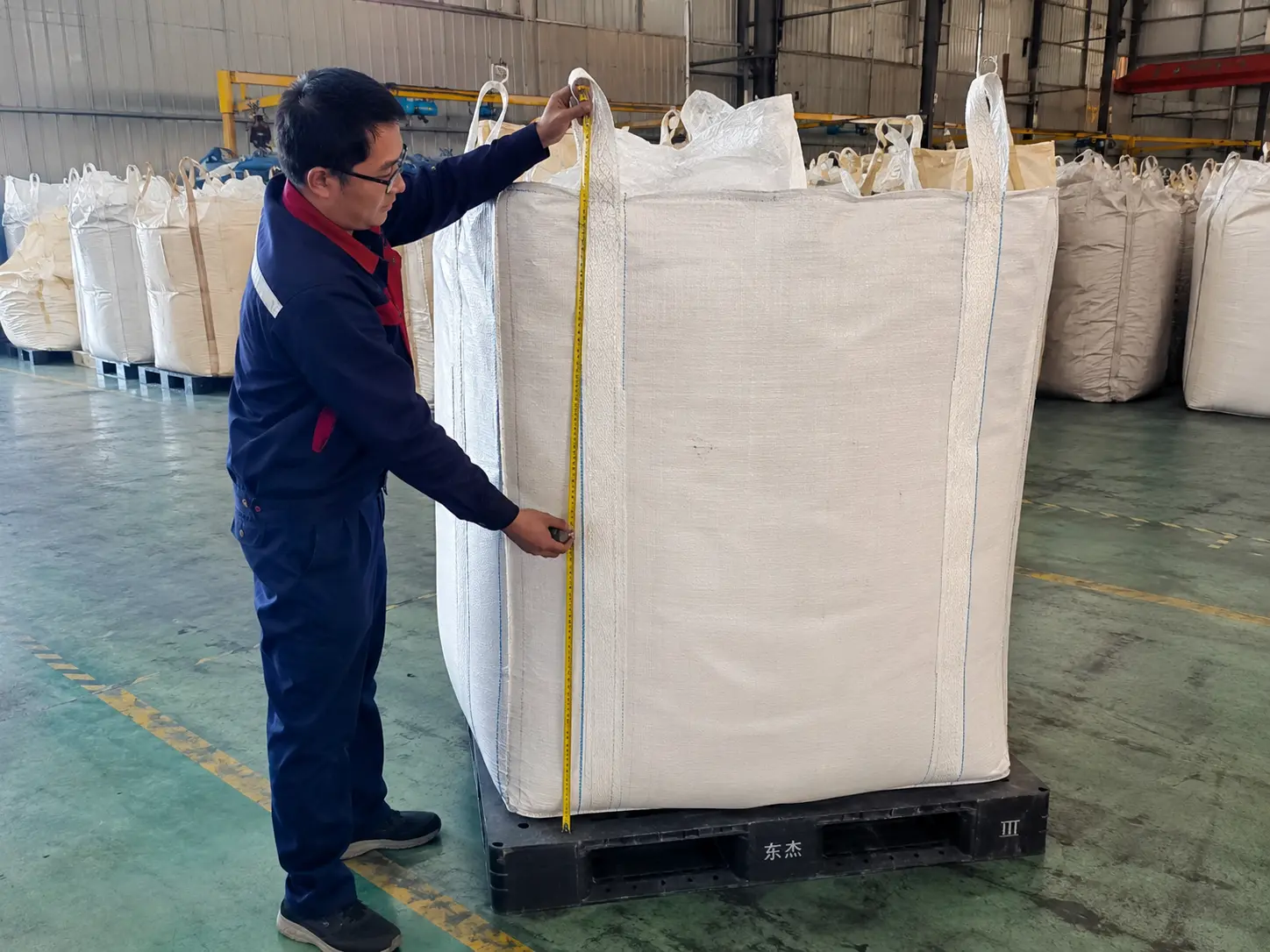
Super Sack Racks: Why the Bag Spec Decides Which Rack Works
Rack vendors sell capacity and stack height. What they rarely mention is the bag — its filled footprint, shape and bottom decide whether any rack works.
Read guide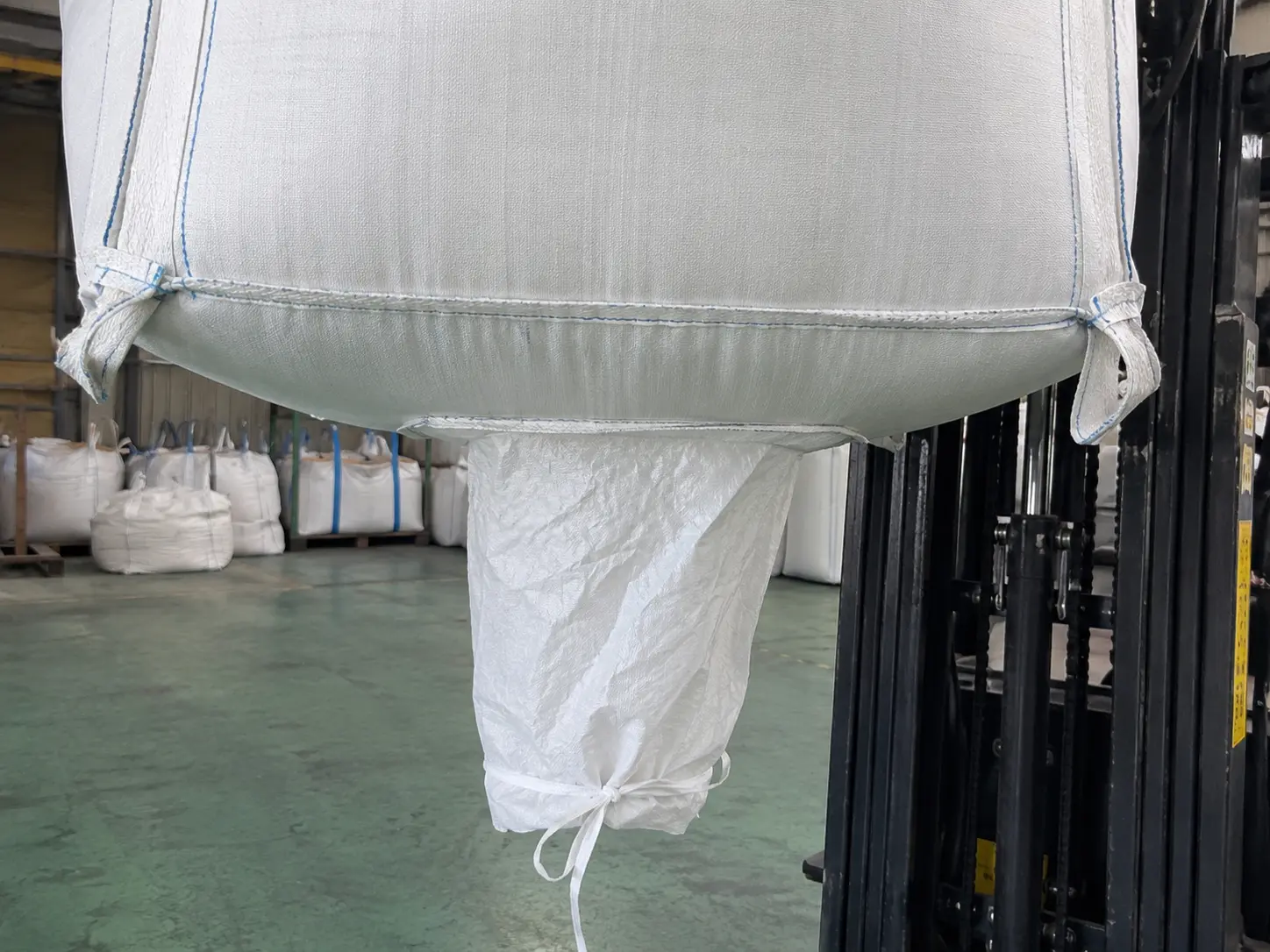
How to Empty a Bulk Bag Safely: Plan for the Flow Stopping
Discharge methods get chosen for how material flows when everything works. The injuries happen in the next ten minutes, when it stops and someone intervenes.
Read guideFIBC Spreader Bars: The Cheapest Way to Save Loops
Bare forklift tines abrade lifting loops every cycle. A proper spreader bar spreads the load and protects the loops — here's what to look for.
Read guide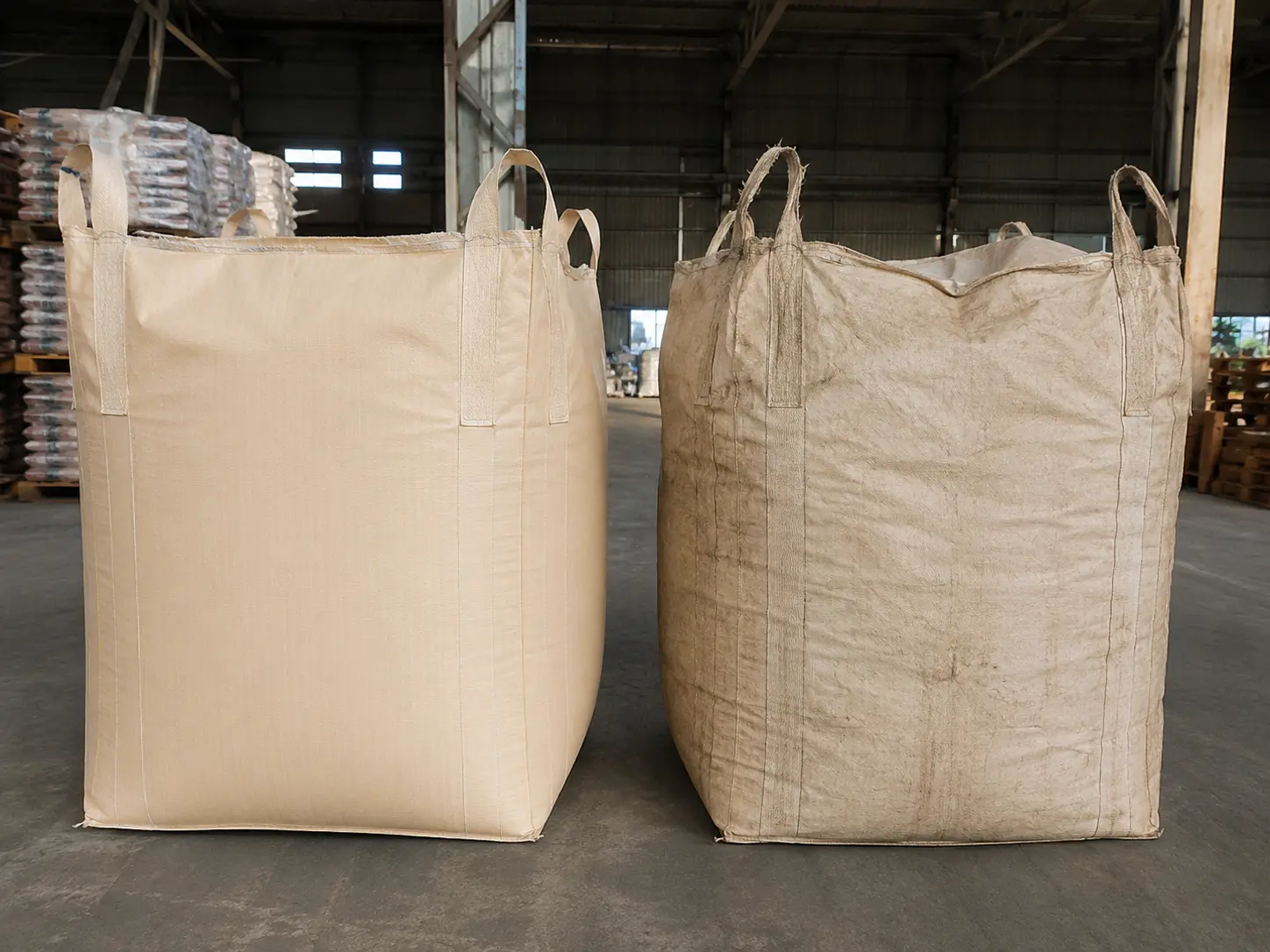
FIBC Bag Repair: Where the Damage Is Beats How Big
Not every damaged bag needs retiring, but not every tear is patchable either — the deciding factor is where the damage is, not just how big it looks.
Read guideFIBC Discharge Stations: Match the Bag to the Equipment
The station and the bag have to be specified together. Here's what a discharge station does, and how bridging and dust control factor in.
Read guideFIBC Recycling: Three End-of-Life Paths, Not One
Recondition, recycle or landfill — three paths at end of life, and two of them beat the third. Here's how reconditioning and recycling actually work.
Read guide
FIBC Storage: How Bad Warehousing Ruins a Good Bag
Off-ground placement, stacking height and UV control decide whether a well-made bag performs to spec or fails early. Here's what actually matters.
Read guideCommon Questions
What equipment do I need to handle bulk bags?
At minimum, a forklift or hoist that lifts by the loops and a safe way to empty the bag. Most sites add a filling stand or filler, a spreader bar or lifting frame, and an unloader or discharge station with dust control. Match the bag’s loops, spout and rating to each piece.
Can I lift a bulk bag directly with a forklift?
Yes, by its lifting loops on the forks or with a spreader bar, as long as the bag is lifted the way it was designed and tested — every loop carrying load and no sharp edges on the tines. Never lift by fewer loops than the bag was built for.
How high can I stack filled bulk bags?
Only as high as the bag design and the product allow, and only on stable, level ground. Stacking depends on the bags keeping their shape — baffle bags stack better than round-filling ones — and on what the bottom bag was built to carry. Racking removes that load from the lower bags entirely.