FIBC Recycling: Three End-of-Life Paths, Not One
Recondition, recycle or landfill — three paths at end of life, and two of them beat the third. Here's how reconditioning and recycling actually work.
PackTonne Sourcing Desk · · 6 min read
When an FIBC reaches end of life, three paths exist: recondition it for continued reuse, mechanically recycle it into raw material for new plastic products, or send it to landfill. The first two both reduce waste meaningfully compared to the third, and knowing which applies to your specific bags — and where to find a program — matters more than it might seem for an operation handling any real volume of used bags.
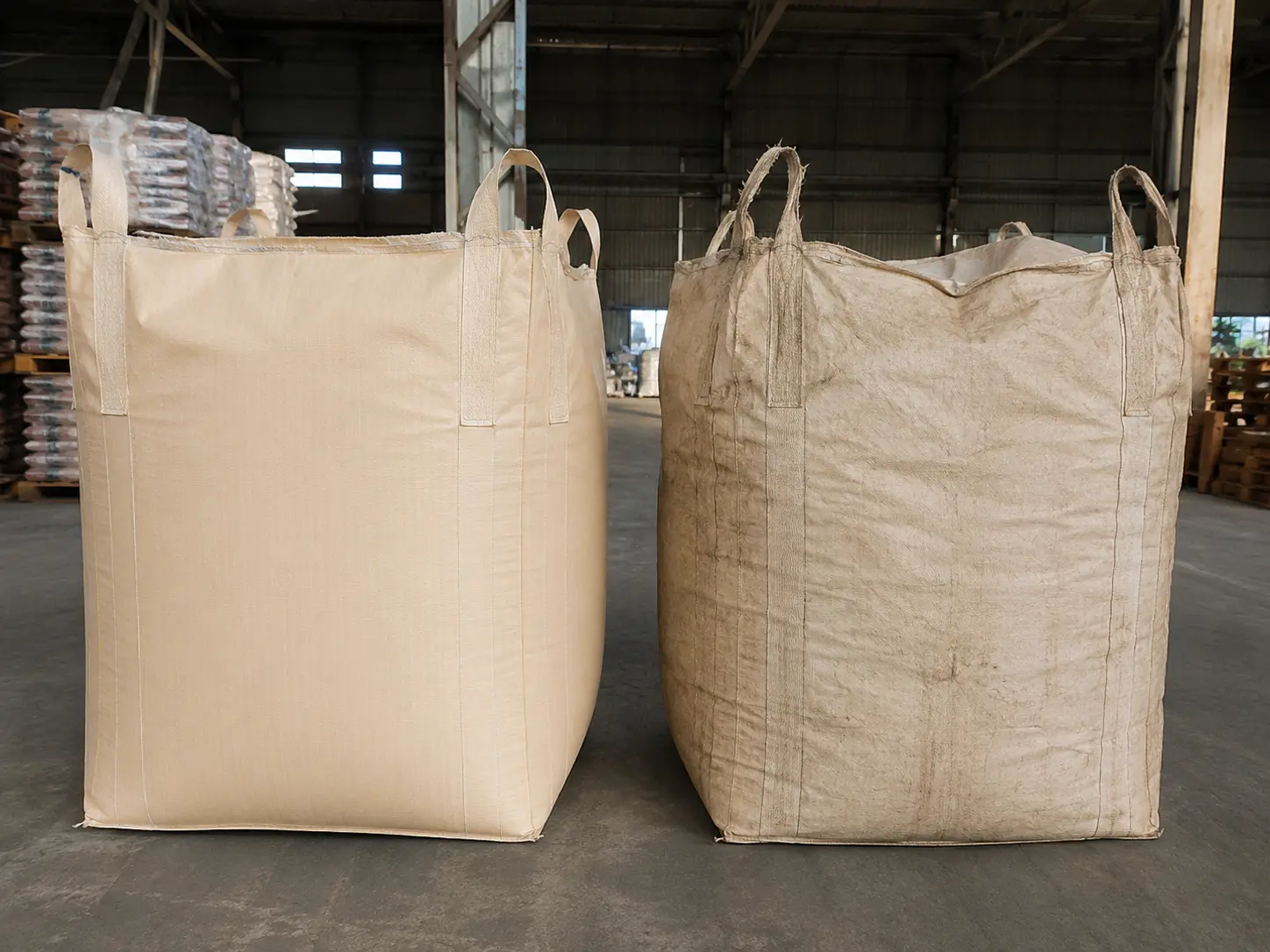
End-of-Life Options at a Glance
| Option | What happens | Requires | Best fit |
|---|---|---|---|
| Reconditioning | Cleaning, inspection, repair for continued reuse | Bag structurally sound, multi-trip rated | Bags with remaining useful life |
| Recycling | Shredded into flakes, sorted, reprocessed into raw material | Any polypropylene bag, regardless of condition | Bags no longer safely reusable |
| Landfill | Disposal without recovery | — | Should be the last resort, not the default |
Reconditioning: A Step Before Recycling, Not a Replacement
A multi-trip bag that’s structurally sound but reaching the end of one usage cycle can often be reconditioned — cleaned, inspected, and had any damaged components replaced — to extend its usable life rather than retiring it immediately. This isn’t an alternative to recycling; it’s a step that can happen before recycling, extending a bag’s useful life and delaying the point at which it needs to be broken down into raw material. Reconditioning only applies to bags that pass a genuine safety inspection, not a general practice for extending any bag’s life regardless of condition — see our safety factor guide for what multi-trip rating actually requires.
How FIBC Recycling Actually Works
Recycling facilities shred used bags into small plastic flakes, then sort the material by size, shape, and color while removing contaminants and impurities, producing purified polypropylene that can be reprocessed into raw material for new plastic products. This is mechanical recycling — breaking the material down physically and reprocessing it — rather than a chemical process, which is why the purity of the input material (how much non-PP content is mixed in) directly affects how usable the output is.
What Your Used Bags Are Actually Graded On
Recyclers price used FIBCs on cleanliness and colour, using a grading convention worth knowing before you agree a price:
- Grade A — clean and white throughout, with coloured stitching and loops accepted. The highest value, because the reprocessed pellet stays light enough to be used broadly.
- Grade B — mainly white with minor soiling or limited colour. Still saleable, at a discount.
- Grade C — dirty, heavily printed or coloured. Lowest value, and sometimes accepted only as part of a mixed load.
The commercial consequence runs backwards into your purchasing decision. Full-coverage printing and heavily coloured fabric both push finished bags toward Grade C, so a choice made for branding at the order stage sets the residual value years later. Where end-of-life value matters, keep print coverage modest and the base fabric white.
Baling: The Step That Makes Collection Economic
Used bags are bulky and mostly air, which is why collection economics fail before the material ever reaches a recycler. Baling solves it — a baler compacts several bags into a dense block, and figures published by equipment suppliers put this at roughly seven to ten bags per compact bale.
That density is what makes a freight movement worth making. If you generate used bags steadily, the practical question is not whether they are recyclable but whether you accumulate enough baled volume to interest a buyer. Sites producing a handful of bags a week usually need to consolidate through a waste broker rather than deal with a reprocessor directly.
Downstream, the shredded and washed flake is densified and extruded into pellets, which is the form the material is actually sold in. Anything that survives sorting — liner remnants, coloured stitching, product residue — shows up as contamination in that pellet and is priced accordingly.
Selling Used Bulk Bags Rather Than Recycling Them
Recycling is not the only exit. Reconditioning, covered above, is something you can also have done for you — bags that are structurally sound and held a non-hazardous, non-food product can be sold to a reconditioner rather than processed as scrap. That route usually returns more, because you are selling a container rather than a raw material.
The screening is stricter than for recycling. Buyers of used bags want a known previous contents, an intact set of loops and seams, and no exposure history that would fail a later inspection — the same criteria covered in our guide to new versus used bulk bags, read from the seller’s side. Bags that fail those checks go to recycling, which is what the grading system above then prices.
Mono-Material Construction Makes Recycling Cleaner
A bag built entirely from polypropylene — fabric, threads, and reinforcements all the same polymer — processes more cleanly through recycling than one mixing PP with other plastic types, since mixed-material input produces lower-quality, less versatile recycled output. This is part of why the industry has been shifting toward mono-material design, and why standards like GB/T 10454-2025 specifically address recycled content composition — keeping the same polymer above a defined threshold supports exactly this kind of clean, closed-loop recycling.
What Complicates Recycling
Non-PP components — certain coatings, printed labels with different material composition, or mixed-material liners — add complexity to the recycling process compared to a straightforward mono-material bag, sometimes requiring additional separation steps or reducing the quality of the output material. Residual product contamination inside a used bag is also a real factor: recyclers generally need bags reasonably clean of leftover product before processing, which is worth considering when planning end-of-life handling for bags that carried products with meaningful residue.
Finding a Recycling Program
The Flexible Intermediate Bulk Container Association (FIBCA) maintains recycling resources and connects end users with recycling services, particularly in North America, and regional recycling providers exist in many other markets as well. Don’t assume standard municipal recycling programs accept FIBC bags the way they might accept household plastics — check with a provider that specifically handles industrial bulk bag recycling, since the volume and material characteristics differ from general consumer plastic waste streams.
Common Mistakes in End-of-Life Planning
- Defaulting to landfill without checking reconditioning or recycling options first. Both alternatives are usually available and reduce waste meaningfully compared to disposal.
- Assuming all used bags are equally recyclable regardless of construction. Mixed-material bags with non-PP coatings or liners process less cleanly than mono-material construction.
- Not planning for contamination cleanup before bags reach a recycler. Heavily residue-contaminated bags may need additional handling that’s easier to plan for upfront than discover at drop-off.
- Treating reconditioning as appropriate for any bag regardless of condition. Only structurally sound, properly rated bags should be reconditioned for continued reuse — a genuine safety inspection matters here.
- Assuming general municipal recycling handles industrial FIBC volume. Specialized providers exist for a reason — check for them rather than assuming standard consumer recycling streams apply.
Building End-of-Life Planning Into Sourcing Decisions
If sustainability outcomes matter to your operation, the easiest lever to pull is at the sourcing stage rather than the disposal stage — choosing mono-material construction and, where appropriate, recycled-content fabric from the start makes end-of-life recycling meaningfully easier down the line. Retrofitting a sustainability goal onto bags already built with mixed materials is a much harder problem than specifying construction with recyclability in mind before the first order ships.
Decision Checklist
- Is your bag structurally sound and multi-trip rated? Reconditioning may extend its life before recycling becomes necessary.
- Do you know whether your bags are mono-material or mixed construction? This affects how cleanly they process through recycling.
- Are your used bags reasonably free of residual product? Clean bags process more easily than heavily contaminated ones.
- Have you identified an actual FIBC recycling provider, not just assumed municipal recycling applies? Check FIBCA resources or regional industrial recycling services.
- Is landfill genuinely your only option, or have you checked reconditioning and recycling first? Both alternatives are usually available with a bit of research.
Final Thoughts
End-of-life outcomes are set at the sourcing stage, not the disposal stage. Mono-material construction and a multi-trip rating both widen your options later — the first makes recycling cleaner, the second delays it entirely through reuse. If sustainability reporting matters to your business, that’s an argument for specifying it upfront. Tell us your priorities and we’ll build them into the construction.
Before You Request a Quote
If sustainability and end-of-life planning matter for your sourcing decision, tell us and we’ll factor it in:
- Whether you want mono-material construction prioritized
- Interest in recycled-content fabric under GB/T 10454-2025’s compliance threshold
- Single-trip or multi-trip use, which affects reconditioning potential
- Target capacity and other spec requirements
Request a quote and we’ll confirm construction choices that support easier end-of-life recycling for your specific order.
Common Questions
Can FIBC bulk bags be recycled?
Yes — most FIBC bags are made from polypropylene, a recyclable thermoplastic. At end of life, bags are typically shredded into plastic flakes, sorted, and processed into raw material for new plastic products, rather than going to landfill.
What's the difference between reconditioning and recycling an FIBC bag?
Reconditioning cleans and inspects a used multi-trip bag for continued reuse in its original form — a step before recycling, not instead of it. Recycling breaks the bag down into raw material for entirely new products, which happens once a bag can no longer be safely reused as-is.
What makes an FIBC bag harder to recycle?
Non-polypropylene components — certain coatings, labels, or mixed-material liners — complicate the recycling process compared to a mono-material bag built entirely from PP. Residual product contamination inside the bag is also a factor recyclers have to address before processing.
Does mono-material construction actually matter for recycling?
Yes — a bag built from a single polymer type processes more cleanly through recycling than one mixing PP with other plastics, which is part of why the industry has been shifting toward mono-material design and why standards like GB/T 10454-2025 address recycled content composition specifically.
How do I find an FIBC recycling program?
The Flexible Intermediate Bulk Container Association (FIBCA) maintains recycling resources for North America, and regional recycling services exist in many markets. Check with your local waste management provider or search for FIBC-specific recycling services in your area rather than assuming standard municipal recycling accepts these bags.
How are used bulk bags graded when you sell them?
By cleanliness and colour. Grade A is clean white fabric with coloured stitching allowed, Grade B is mainly white with minor soiling, and Grade C covers dirty, heavily printed or coloured bags. Heavy print coverage and coloured fabric both push a bag down the scale, so branding decisions made at the order stage set the residual value.
Does recycling used bags reduce the cost of new ones?
Not usually as a direct rebate, though some recyclers pay for clean, sorted volume and some suppliers run take-back arrangements. The clearer benefit is avoided disposal cost and a defensible sustainability claim, rather than a discount on your next purchase order.
Do bags need to be cleaned before sending them for recycling?
Reasonably free of residual product, yes — recyclers generally can't process heavily contaminated material without additional handling. How much cleaning is required depends on what the bags carried; discuss thresholds with your recycler before assuming bags qualify as-is.
More in Handling & Equipment
All Handling & Equipment guides- Bulk Bag Unloaders: Why the Bag Spec Matters More Than the FrameMost bulk bag unloader problems start at the bag, not the frame: loops that hang the spout short of the clamp, spouts too narrow for the valve, liners that drag.
- Bulk Bag Stands: How to Fill a Super Sack Without a MachineA bulk bag stand holds the empty bag open and square. It cannot weigh the fill — and a bag shovelled to the brim with sand can be well over its rating.
- Super Sack Racks: Why the Bag Spec Decides Which Rack WorksRack vendors sell capacity and stack height. What they rarely mention is the bag — its filled footprint, shape and bottom decide whether any rack works.
- How to Empty a Bulk Bag Safely: Plan for the Flow StoppingDischarge methods get chosen for how material flows when everything works. The injuries happen in the next ten minutes, when it stops and someone intervenes.