Bulk Bags for Sale
Six FIBC bulk bag types, sold wholesale and built to your dimensions, safe working load and discharge fittings. Quotes may call these industrial bulk bags, heavy duty bulk bags, polypropylene bulk bags or super sacks — the naming varies by region, the construction does not. Every type below links to a full spec sheet; if you are still deciding, start with our guide to thetypes of FIBC bags.
We sell by the production run and ship by the container from Shandong. If you need a handful of bags this week, a local distributor is the faster route — here is how to decide.
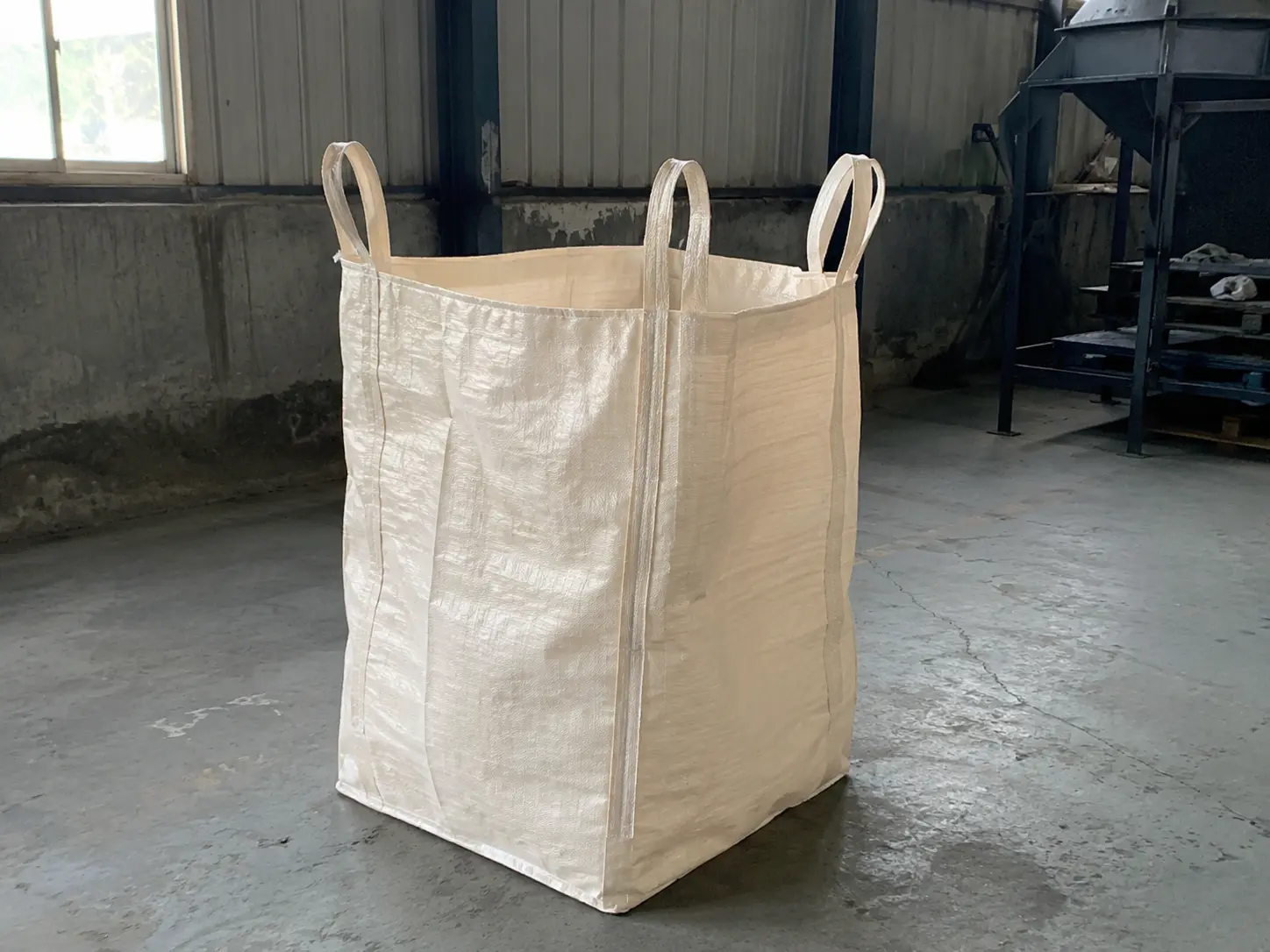
Type A Bulk Bags
140–210 g/m² woven PP
View specs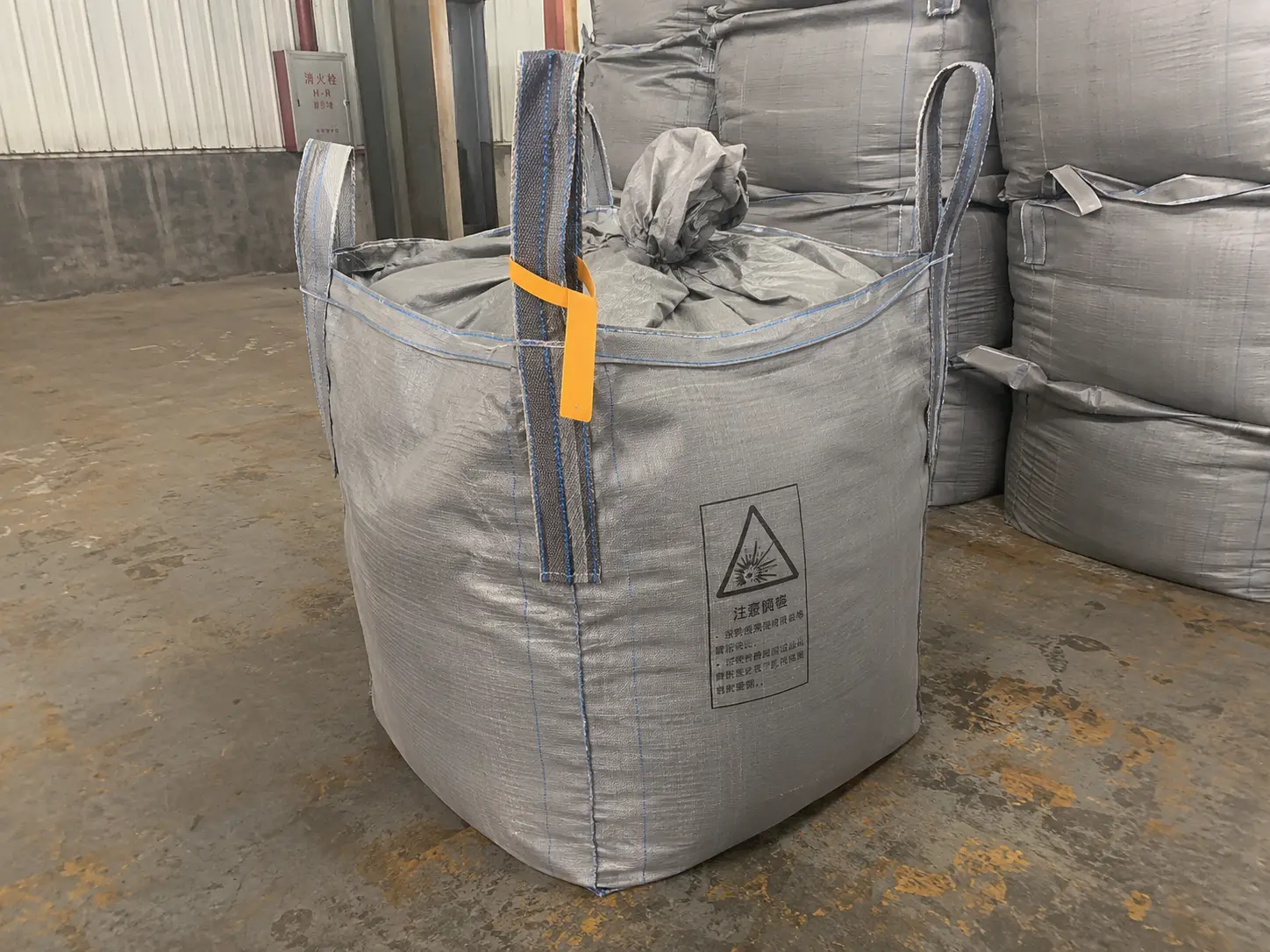
Anti-Static Bulk Bags (Type B/C/D)
IEC 61340-4-4
View specs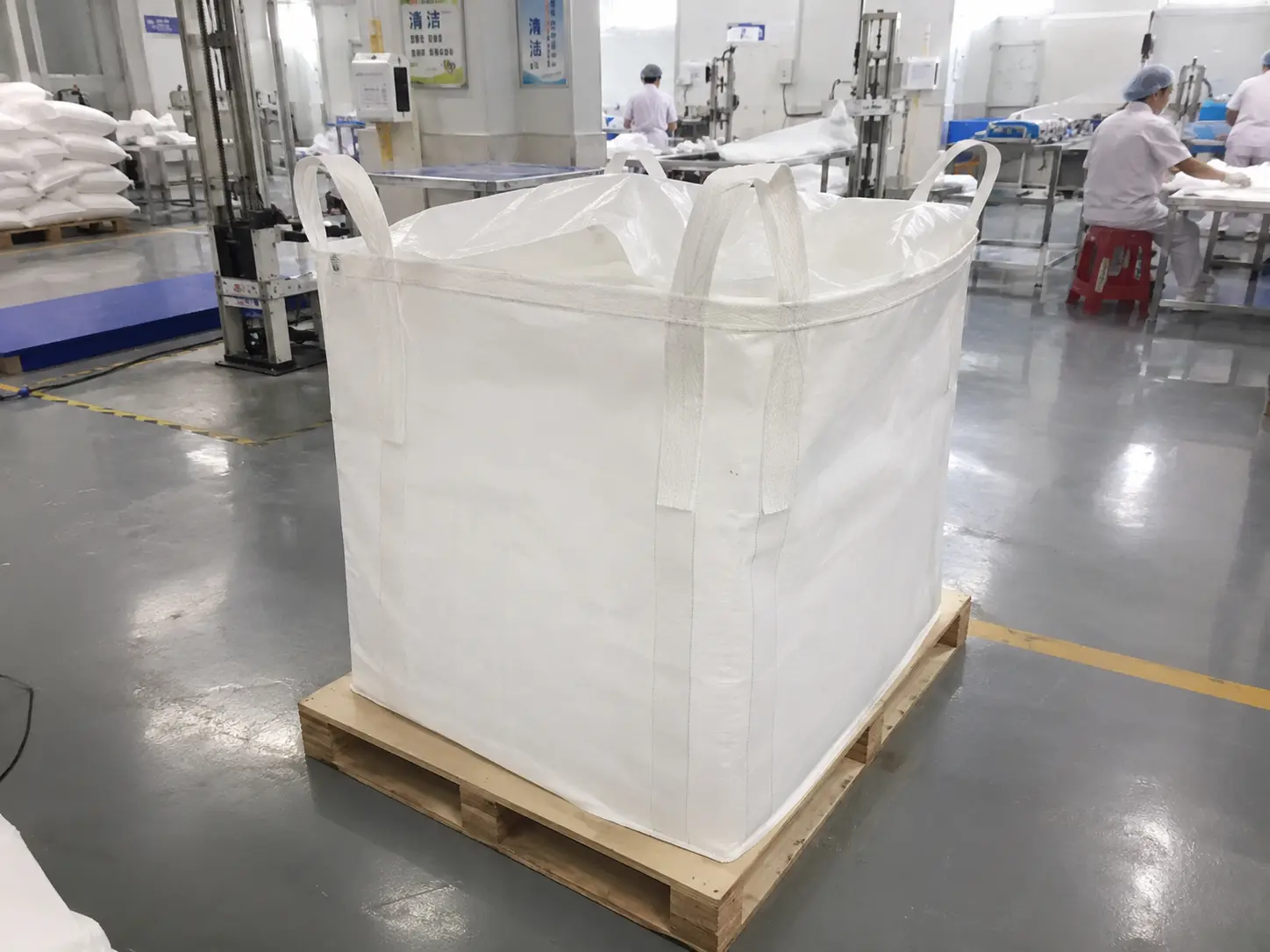
Food Grade Bulk Bags
Clean-room sewn, controlled contamination limits
View specs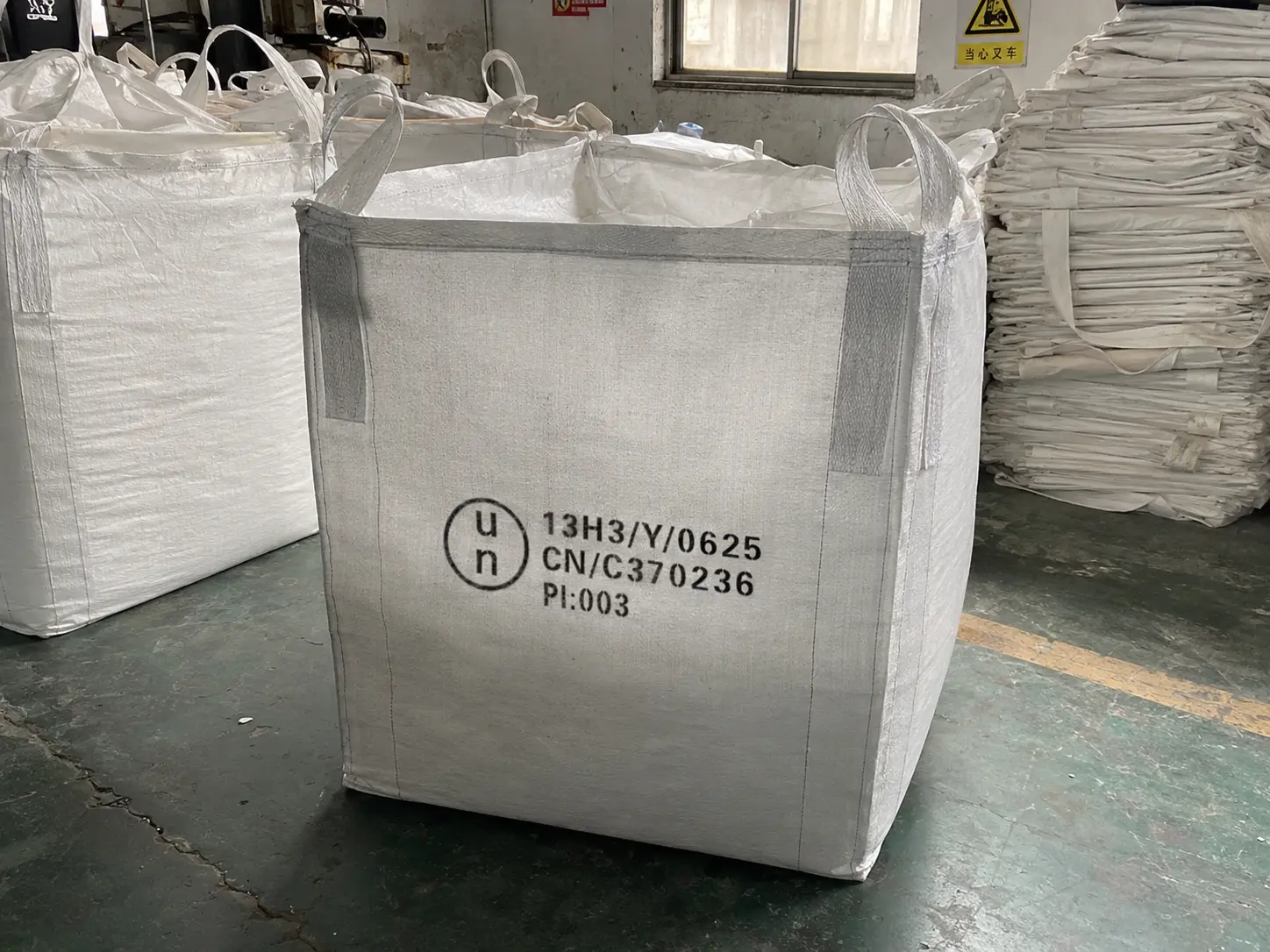
UN Certified Bulk Bags
13H1 (no liner) to 13H4 (coated, with liner)
View specs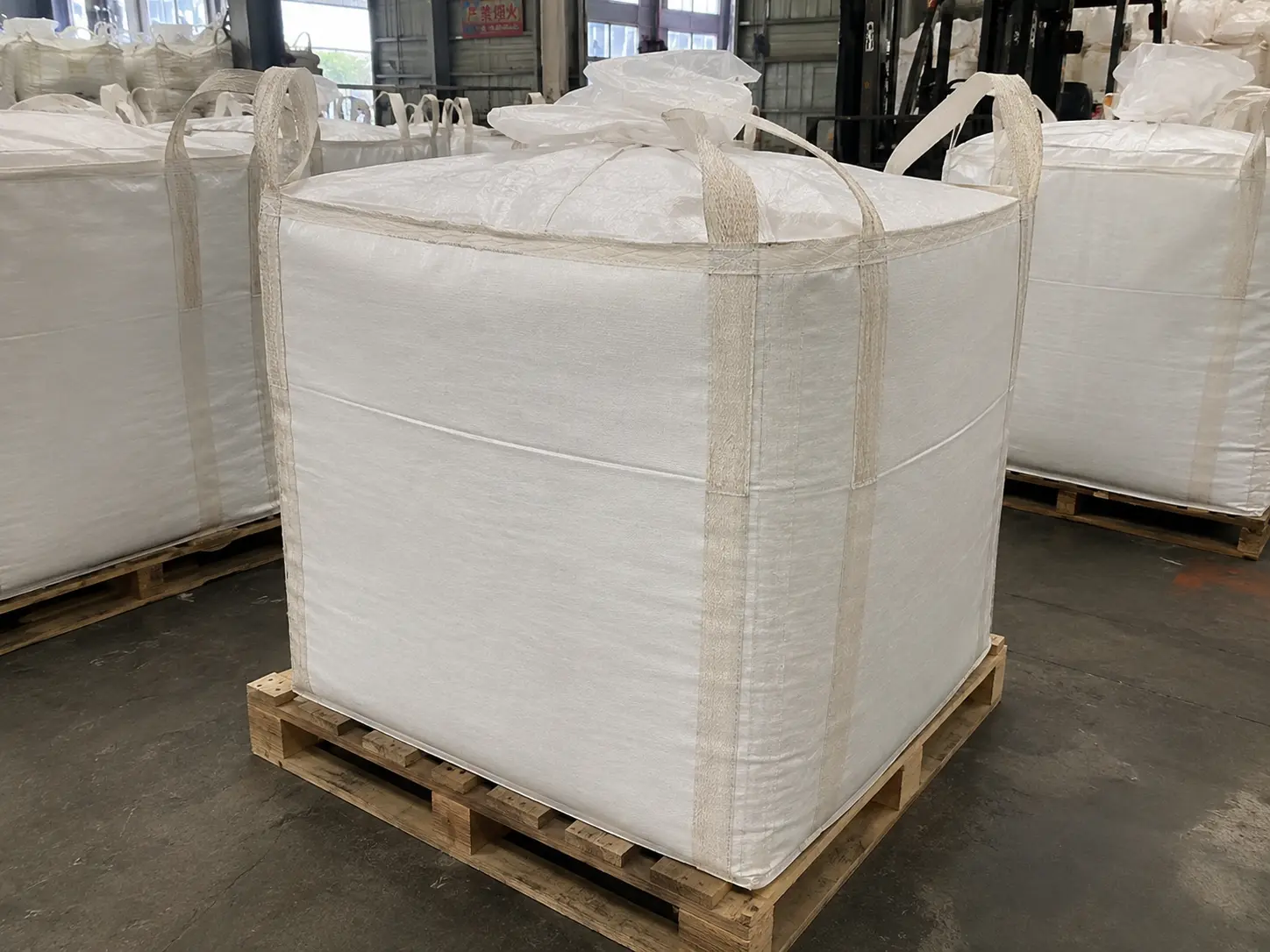
Baffle Bags (Q Bags)
Internal baffle panels at each corner
View specs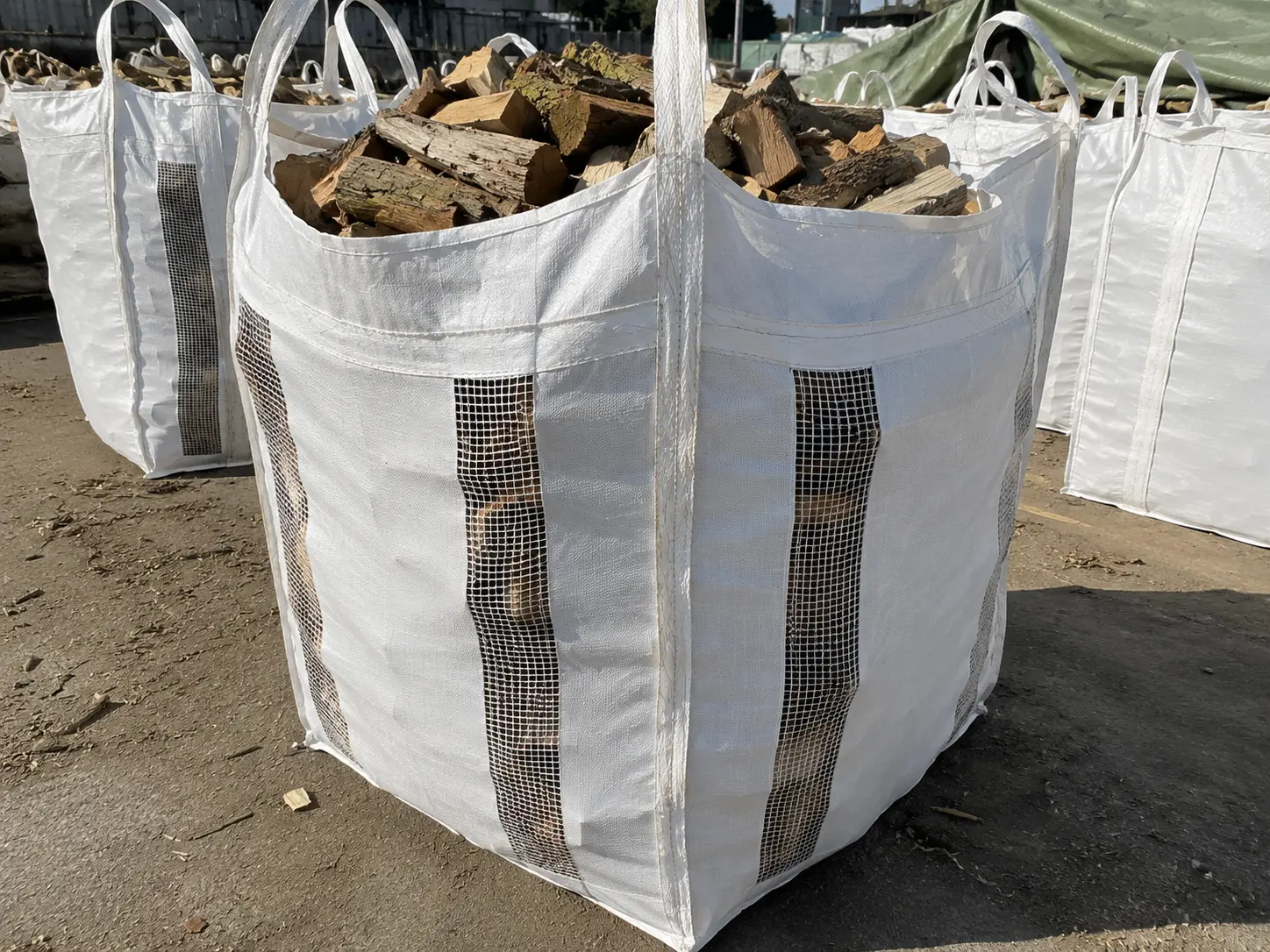
Ventilated Bulk Bags
Ventilated strips or mesh panels on 2–4 sides
View specsCommon Questions
How do I know which FIBC type I need?
Start with your product: flammable powders need Type B/C/D anti-static protection, food and feed need food-grade liners, and hazardous chemicals for export need UN certification. Everything else typically works with standard Type A. Send us your product and we will confirm.
Can I combine features across types — for example food grade and anti-static?
Yes. Baffle construction, liners and static protection can be combined on most product lines — for example a food-grade bag with baffle panels for tighter container loading. Tell us your full requirement and we will specify the right combination.
What is the MOQ across these product lines?
Minimum order quantity depends on how far your specification sits from a standard production run — a plain Type A bag and a printed, certified one carry very different minimums. Mixed-specification orders can often be combined in one container. Send us the spec and we will confirm the MOQ against it.
Which type is the cheapest?
Type A standard construction, because the fabric only has to meet load and abrasion requirements rather than electrical or contamination ones. If your product cannot ignite from static discharge and needs no food-contact or hazardous goods compliance, anything above Type A is protection you will not use.
Do I choose the type before or after deciding on size?
Type first. What is inside the bag — flammability, moisture sensitivity, hazard classification — drives static class, liner and certification. Capacity and dimensions follow afterward from your product bulk density, which is a separate calculation.
Can I order more than one type in a single shipment?
Yes, mixed-specification orders can usually share a container as long as each specification individually clears its own minimum. This is common for buyers running several product lines. Send us the full list and we will work out how it consolidates.
Not Sure Which Type You Need?
Send us your product, environment and target market — we will recommend the right construction and static protection class.
Ask Our Team