FIBC Static Protection
The static class of a bulk bag — Type A, B, C or D — follows from how easily your product ignites and whether flammable vapor can be present where the bag is filled and emptied.
4 guides in this topic
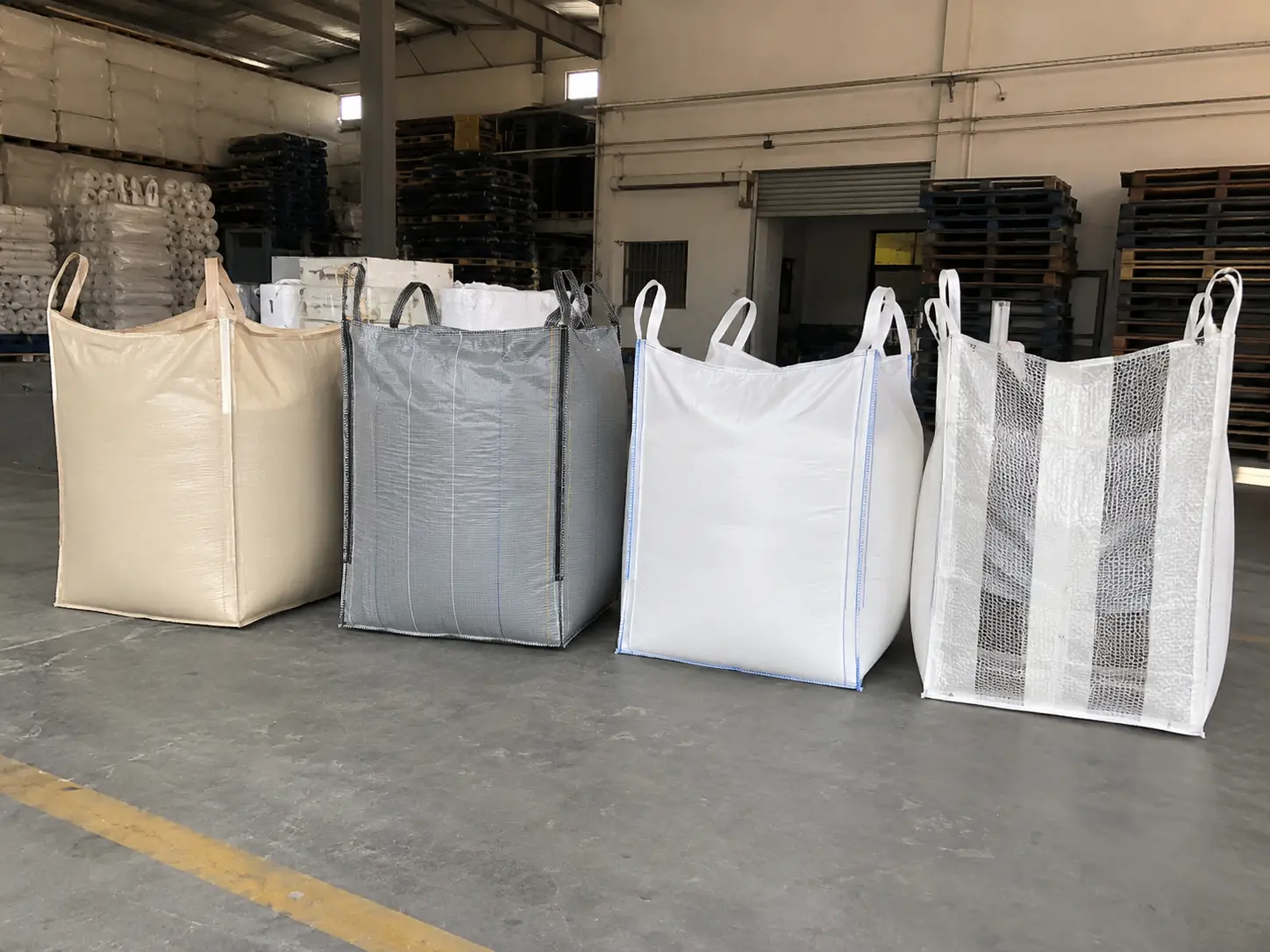
Type A has no static protection and suits non-combustible products such as sand, minerals and most granular fertilizers. Type B limits breakdown voltage so the bag is designed not to produce a propagating brush discharge, but it does not dissipate charge and must never be used where flammable vapor or gas is present. Type C is woven with conductive threads and must be connected to ground on every fill and discharge. Type D dissipates charge through its fabric without a ground connection.
All four classes are defined and tested under IEC 61340-4-4. The choice comes down to two numbers and one question: your product’s minimum ignition energy, your site’s hazardous-area classification, and whether a ground clamp will really be connected every cycle. Start with the Type A–D comparison if you are specifying a bag for a new product; go straight to Type C vs Type D if the question is grounding discipline.
More Static Protection Guides
Type B Bulk Bags: The Anti-Static Bag That Isn't Anti-Static
Type B bulk bags cap breakdown voltage below 6 kV, which stops propagating brush discharges but not brush discharges — the reason they fail near solvent vapour.
Read guide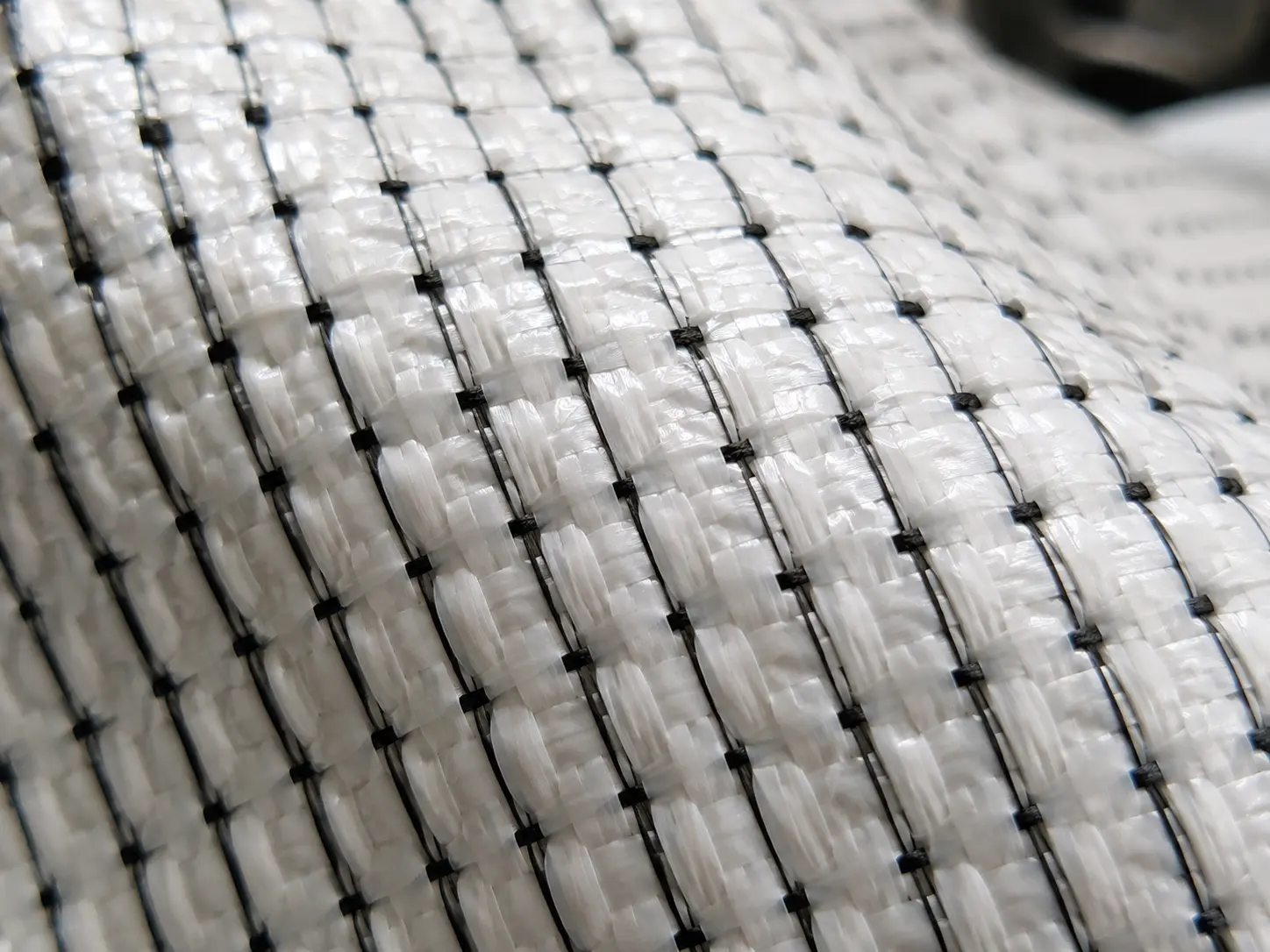
IEC 61340-4-4: The Tests Behind Type B, C and D Bags
Each static class has its own test and its own threshold. Here's what IEC 61340-4-4 actually measures for Type B, C and D construction.
Read guide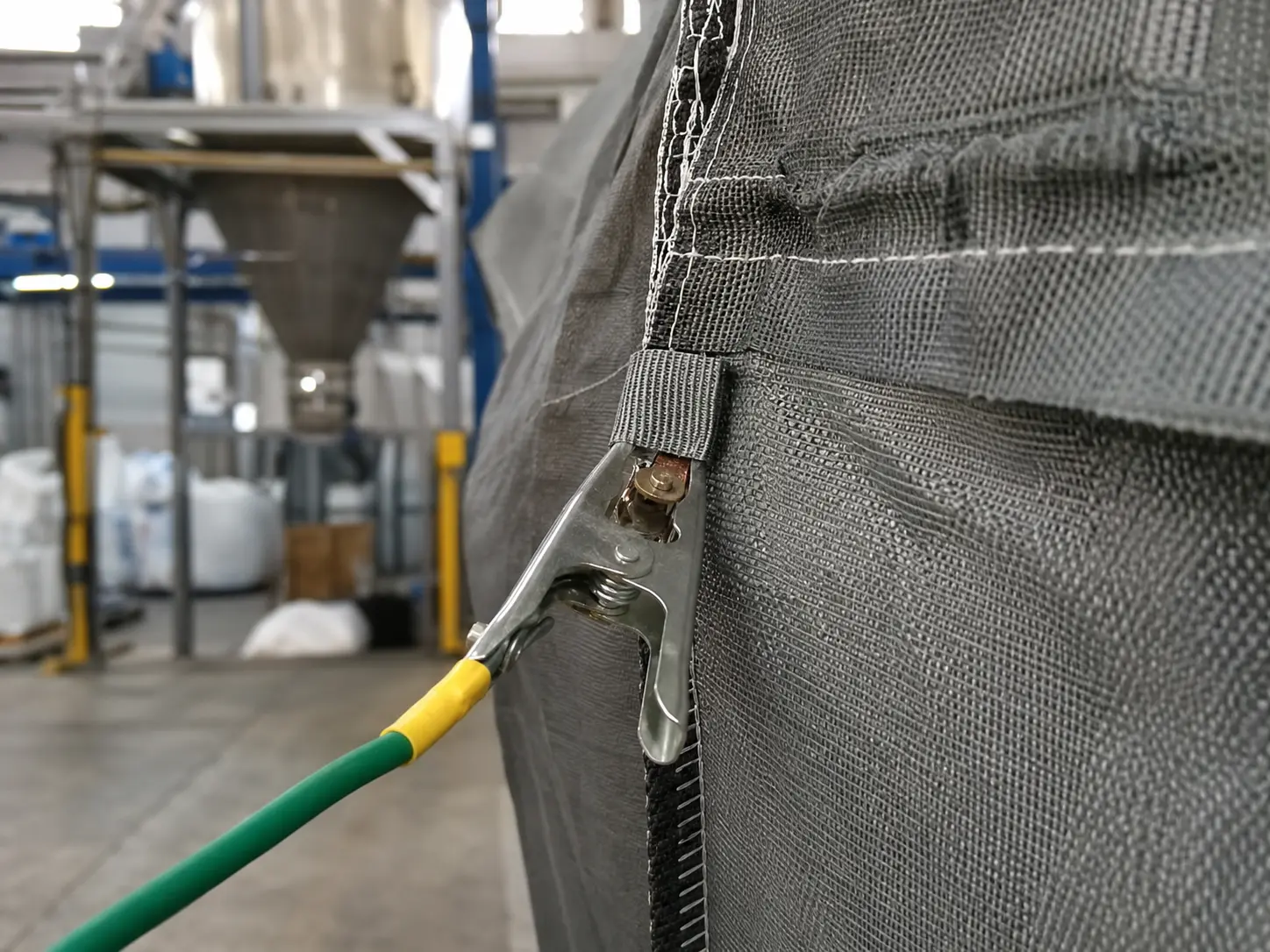
Type C vs Type D FIBC: When Grounding Discipline Fails
Type C needs grounding every cycle; Type D doesn't. Here's which holds up once real operators, turnover and time pressure enter the picture.
Read guideCommon Questions
Which FIBC type do I need for a combustible powder?
At minimum Type B, and only if no flammable vapor or gas is present. Where solvents are nearby, Type C with reliable grounding or Type D are the usual choices. Your product’s minimum ignition energy and your site’s hazardous-area classification decide it, so check both before choosing a class.
Can Type C bags be used without grounding?
No. An ungrounded Type C bag can store charge on its conductive threads and release it as a spark, which makes it more dangerous than a bag with no conductive elements at all. If a ground connection cannot be guaranteed on every fill and discharge, specify Type D instead.
What standard defines FIBC static classes?
IEC 61340-4-4 defines Types A, B, C and D and the test methods behind them, including breakdown voltage for Type B and resistance to ground for Type C. Ask for a test report that matches the fabric used in your bags, not a generic certificate for the product line.