IEC 61340-4-4: The Tests Behind Type B, C and D Bags
Each static class has its own test and its own threshold. Here's what IEC 61340-4-4 actually measures for Type B, C and D construction.
PackTonne Sourcing Desk · · 6 min read
IEC 61340-4-4 is the specific test standard behind Type B, C, and D static protection classifications — not a general safety claim, but a defined set of test methods with specific pass thresholds matched to each type’s protection mechanism. Which means a supplier claiming compliance should be able to name the test and quote the number, not just cite the standard. For the classification itself, see our static protection guide.
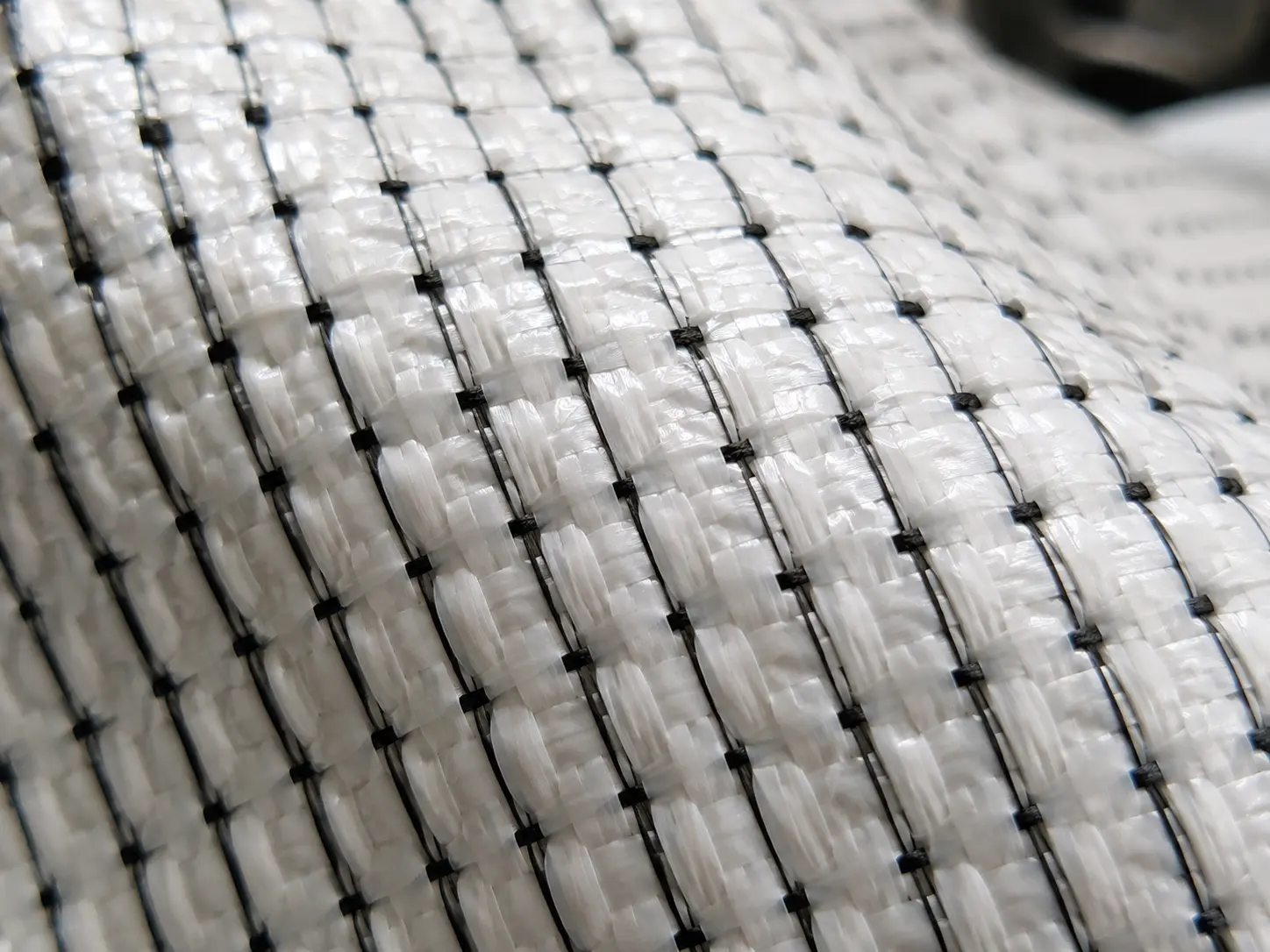
Test Methods by Type
| Type | Test method | What it verifies |
|---|---|---|
| B | Breakdown Voltage Test | Fabric stays below a 6kV breakdown voltage threshold |
| C | Resistance to Ground Test | Conductive thread network provides a functional low-resistance path to the grounding point |
| D | Resistivity and charge decay characteristics | Fabric dissipates static charge without requiring a grounding connection |
What the Standard’s Scope Actually Covers
IEC 61340-4-4 applies to FIBC bags roughly 0.25 to 3 cubic meters in volume, intended for use in flammable or explosive atmospheres, tested as manufactured before use — meaning the bag’s construction is evaluated in its finished state, not as raw material components. The standard’s test atmosphere simulates a minimum ignition energy of 0.14 mJ using a methanol-based reference, a deliberately sensitive threshold representing a genuinely hazardous scenario rather than an average combustible environment. This scope and sensitivity level is why the standard exists as a dedicated test protocol rather than a general electrical safety check.
The Breakdown Voltage Test: Verifying Type B
Type B fabric is evaluated with electrodes applied to the material to determine the voltage at which an electrical discharge punches through the fabric — the breakdown voltage. To pass Type B classification, this breakdown voltage needs to stay below 6kV, the threshold that keeps propagating brush discharges from occurring under normal handling conditions. This test verifies a fabric property rather than a completed circuit, consistent with Type B’s design — it doesn’t rely on grounding to function.
The Resistance to Ground Test: Verifying Type C
Type C’s protection mechanism depends on an actual conductive path from the fabric to a grounding point, so its test method — the Resistance to Ground Test — measures electrical resistance between points on the bag’s conductive thread network and its designated grounding connection. This verifies the conductive path genuinely functions as a low-resistance route to ground, which matters because Type C’s entire protection scheme depends on that path working — a test result confirms the bag’s design and construction support proper grounding, though it doesn’t and can’t verify that an operator actually connects the ground clamp during real-world use.
Testing Type D: Resistivity and Charge Decay
Type D’s dissipative mechanism doesn’t rely on a discharge path to a single ground point, so its relevant test characteristics focus on the fabric’s resistivity and how quickly it dissipates accumulated charge across its surface — verifying the material bleeds off static without needing a grounding connection. This reflects Type D’s fundamentally different approach from Type C, covered in more depth in our conductive vs dissipative guide.
Type Qualification vs Routine Production Testing
These test procedures are primarily intended for type qualification — demonstrating that a specific design and material combination is safe for its intended use — rather than as a test performed on every single bag coming off a production line. Manufacturers typically qualify a design once through the full IEC 61340-4-4 protocol, then use separate, faster quality control checks on routine production batches to confirm ongoing consistency with that qualified design. Understanding this distinction matters when evaluating a supplier’s compliance claim — ask whether they’re referencing type qualification testing, batch-level QC, or both.
What to Ask Your Supplier For
Request documentation showing which specific test was performed — breakdown voltage results for Type B, resistance-to-ground results for Type C, or resistivity/charge decay data for Type D — tied to your specific bag’s design, not a general statement that the factory “tests to IEC 61340-4-4.” Also confirm whether the documentation reflects type qualification testing on the design itself or routine batch testing, since both matter but answer different questions about your specific order.
Common Mistakes When Evaluating Static Test Claims
- Accepting “IEC 61340-4-4 compliant” without the specific test result. Each type has its own distinct test and threshold — ask which one and what the actual number was.
- Assuming type qualification testing means every batch is individually tested the same way. Routine production relies on separate, faster QC checks after a design is qualified.
- Applying results outside the standard’s tested scope. A design qualified within the 0.25–3 m³ volume range and the standard’s specific atmosphere sensitivity shouldn’t be assumed safe for meaningfully different conditions without reconfirmation.
- Treating a Type C resistance-to-ground pass as proof grounding will happen in practice. The test verifies the bag’s design supports proper grounding — it says nothing about whether an operator connects the clamp on a given day.
- Confusing Type D’s resistivity testing with Type C’s resistance-to-ground testing. They test fundamentally different protection mechanisms and aren’t interchangeable evidence.
Decision Checklist
- Do you know which specific test method applies to your static protection type? Each type has a distinct test, not a shared generic check.
- Has your supplier provided actual test results, not just a standard reference? Ask for the specific numbers, not a general compliance claim.
- Do you understand whether documentation reflects type qualification or batch QC? Both matter, but they answer different questions.
- Does your application match the standard’s tested scope — volume range and atmosphere sensitivity? Confirm your use case falls within what the standard actually addresses.
- For Type C, have you confirmed the resistance-to-ground result specifically, given grounding is your operational responsibility? The test verifies the bag’s design; grounding compliance in practice is separate.
Final Thoughts
The gap between a supplier saying “IEC 61340-4-4 compliant” and showing a breakdown voltage figure or a resistance-to-ground measurement is the whole distance between a claim and a verified bag. Ask for the number and the method, not the standard number alone. Send us your product’s ignition data and we’ll confirm which test result your order actually needs.
Before You Request a Quote
Tell us your product’s ignition risk profile and we’ll confirm the right testing documentation:
- Product’s minimum ignition energy (MIE), if known
- Whether flammable vapor or gas is present during handling
- Target static protection type
- Whether you need type qualification documentation, batch QC data, or both
Request a quote and we’ll confirm IEC 61340-4-4 documentation relevant to your specific static protection needs.
Common Questions
What does IEC 61340-4-4 actually test?
It evaluates the ignition risk from electrostatic discharge in FIBC bags used near flammable or explosive atmospheres, using specific test methods matched to each static protection type — a breakdown voltage test for Type B, a resistance-to-ground test for Type C, and resistivity/charge decay characteristics relevant to Type D.
What is the Breakdown Voltage Test for Type B bags?
It measures the voltage at which the fabric allows an electrical discharge to punch through, using electrodes applied to the material. Type B fabric needs to stay below a 6kV breakdown voltage threshold to pass.
What is the Resistance to Ground Test for Type C bags?
It measures electrical resistance between points on the bag's conductive thread network and its designated grounding point, verifying the conductive path actually functions as intended — a test specifically relevant to Type C's grounded-discharge mechanism.
Is IEC 61340-4-4 testing done on every single bag, or just a design type?
The standard's test procedures are primarily intended for type qualification — verifying that a specific design and material combination is safe — rather than as routine testing on every individual bag produced. Manufacturers typically use separate, faster quality control checks for routine production batches after the design itself is qualified.
What minimum ignition energy does the standard's test atmosphere simulate?
The standard's flammable test atmosphere simulates a minimum ignition energy of 0.14 mJ, using a methanol-based reference atmosphere — a deliberately sensitive threshold meant to represent a genuinely hazardous scenario, not an average combustible dust environment.
Does a static test certificate expire?
Type qualification applies to a design rather than carrying a fixed expiry, but it stops being valid the moment the design changes — different fabric, different thread, different liner. Ask when the tested design was last verified and whether anything in the construction has changed since.
Can I request the actual test report rather than a compliance statement?
Yes, and you should for anything safety-critical. A compliance statement asserts a result; a test report shows the method, conditions and measured values. Suppliers who genuinely hold qualification testing can produce the report — the request itself is a useful filter.
More in Static Protection
All Static Protection guides- Type B Bulk Bags: The Anti-Static Bag That Isn't Anti-StaticType B bulk bags cap breakdown voltage below 6 kV, which stops propagating brush discharges but not brush discharges — the reason they fail near solvent vapour.
- Type C vs Type D FIBC: When Grounding Discipline FailsType C needs grounding every cycle; Type D doesn't. Here's which holds up once real operators, turnover and time pressure enter the picture.
- Type A vs B vs C vs D FIBC: Which Static Class Do You Need?Static protection depends on what's near the bag during filling — flammable dust, solvent vapor, or nothing at all. Here's how to match the class to real risk.