Buy Like an EngineerPage 3 of 6
Practical guides for buyers: FIBC types, specifications, pricing and importing from China.
All Guides — Page 3
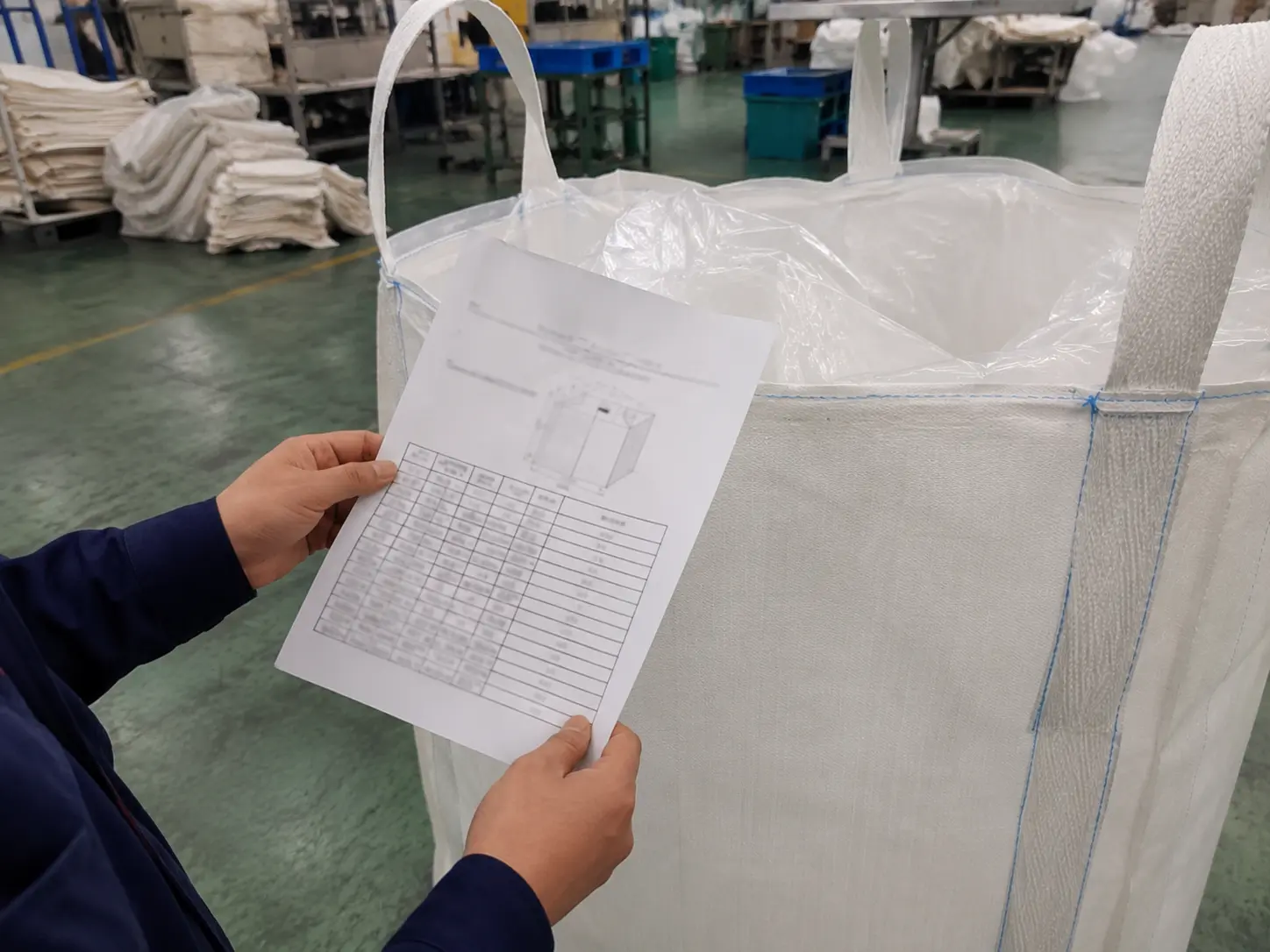
FIBC Safety Labels: An Unreadable Tag Means Stop Work
A bag whose label you can't read is a bag with unknown specifications. Here's what has to be on it, and why a faded tag stops the job.
Read guide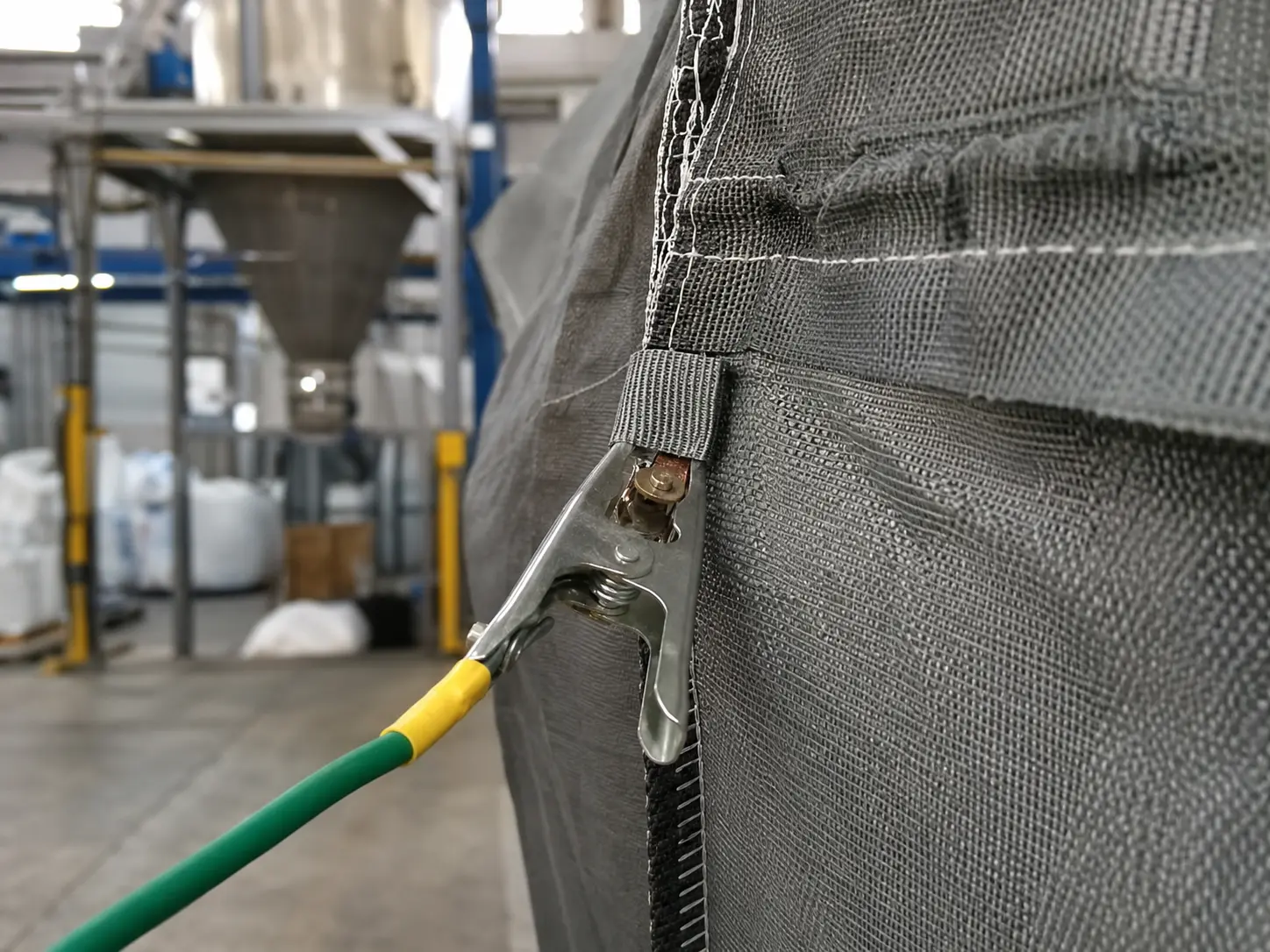
Bulk Bags for Resin: The Static Risk Pneumatic Fill Adds
Pneumatic conveying builds far more static than gravity fill, and molding-grade resin needs cleanliness a standard bag doesn't give. Spec for both.
Read guide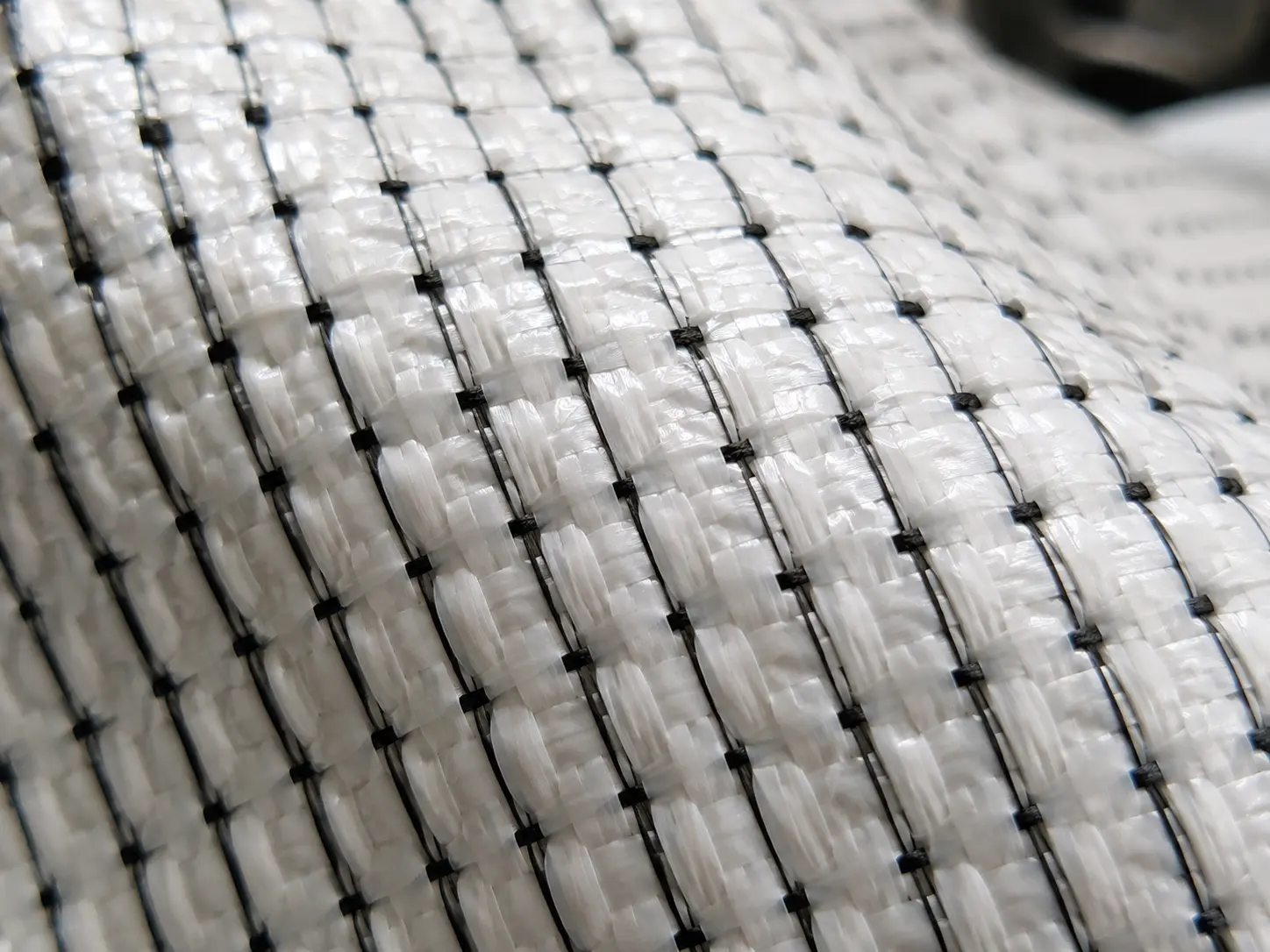
IEC 61340-4-4: The Tests Behind Type B, C and D Bags
Each static class has its own test and its own threshold. Here's what IEC 61340-4-4 actually measures for Type B, C and D construction.
Read guide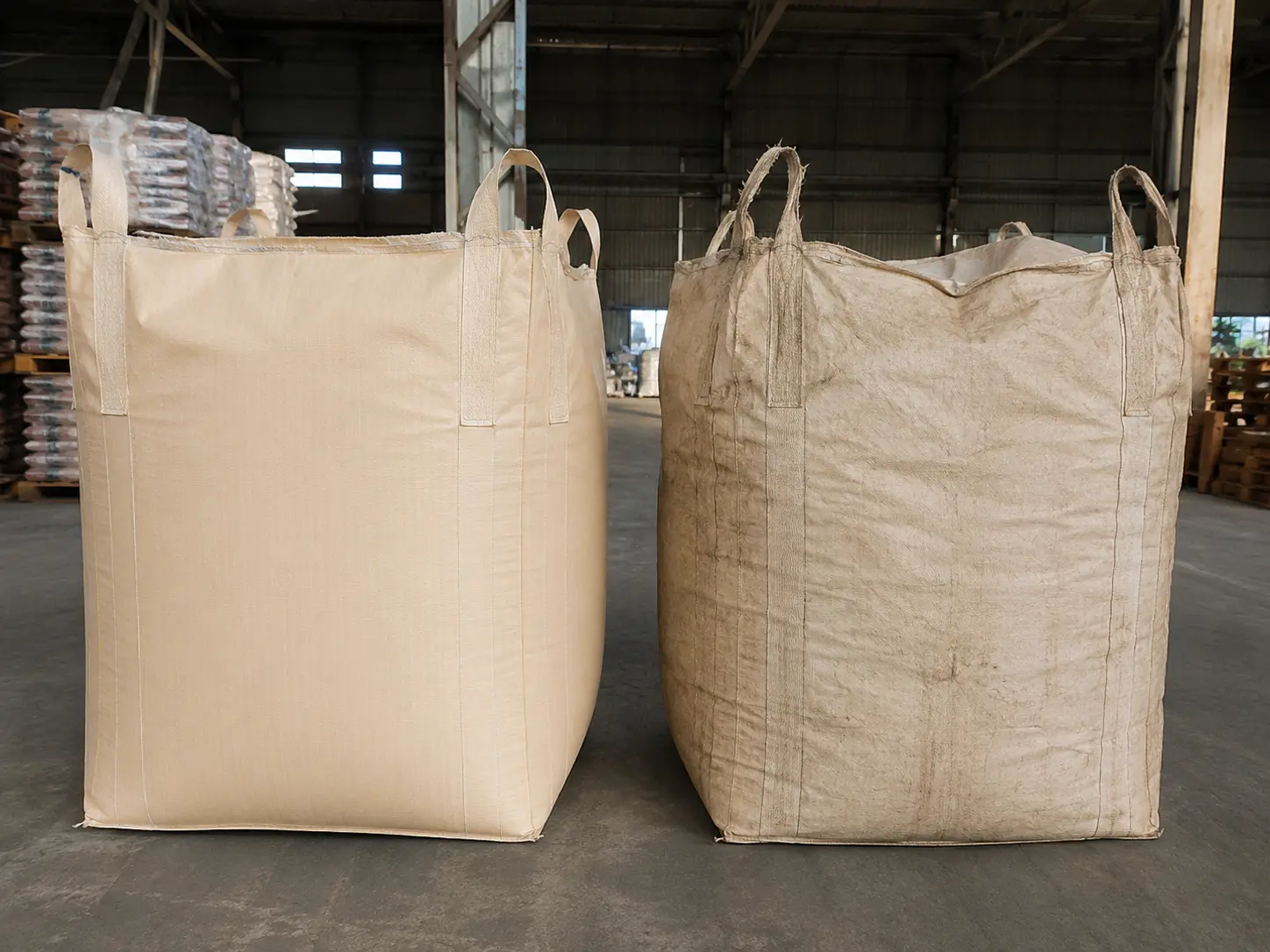
FIBC Recycling: Three End-of-Life Paths, Not One
Recondition, recycle or landfill — three paths at end of life, and two of them beat the third. Here's how reconditioning and recycling actually work.
Read guide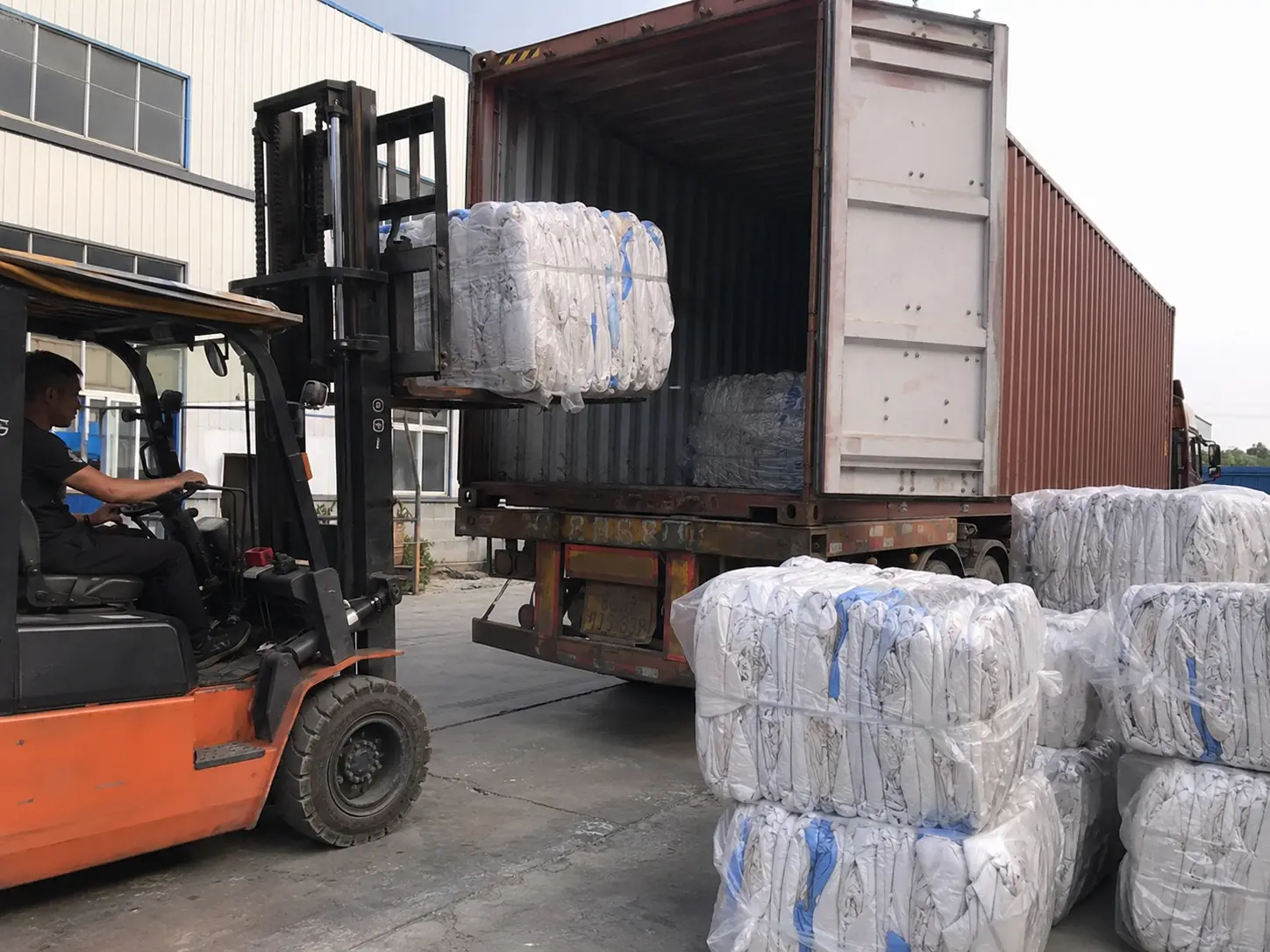
FIBC Storage: How Bad Warehousing Ruins a Good Bag
Off-ground placement, stacking height and UV control decide whether a well-made bag performs to spec or fails early. Here's what actually matters.
Read guide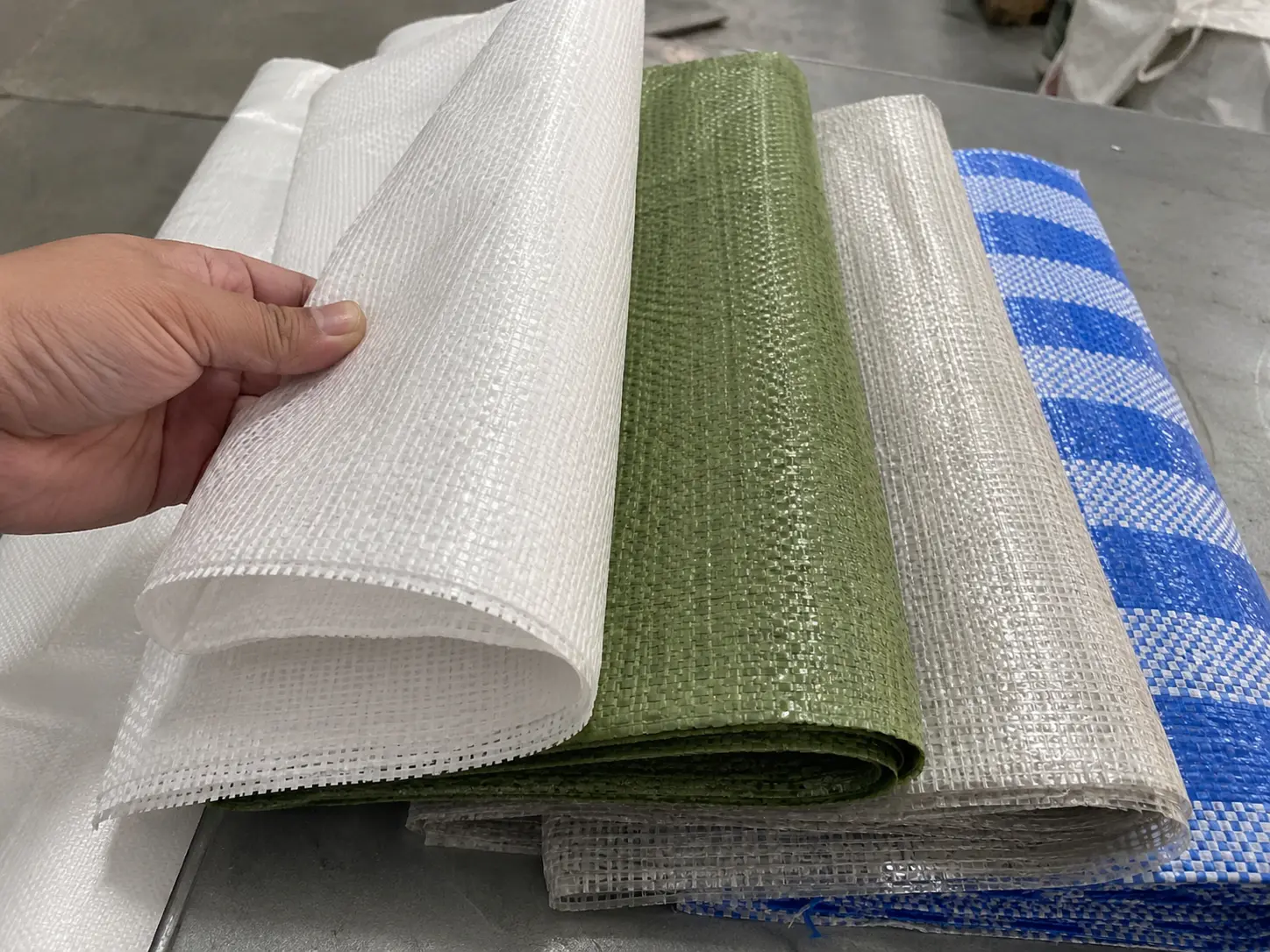
Bulk Bags for Cement: Why Moisture Means Total Loss
Cement doesn't degrade with moisture — it hydrates and hardens into an unusable mass. That changes how coating and liner get specified.
Read guideGB/T 10454-2025: What Changed in China's FIBC Standard
Effective March 2026, GB/T 10454-2025 replaces two older standards and is the first to formally separate single-trip from multi-trip requirements.
Read guide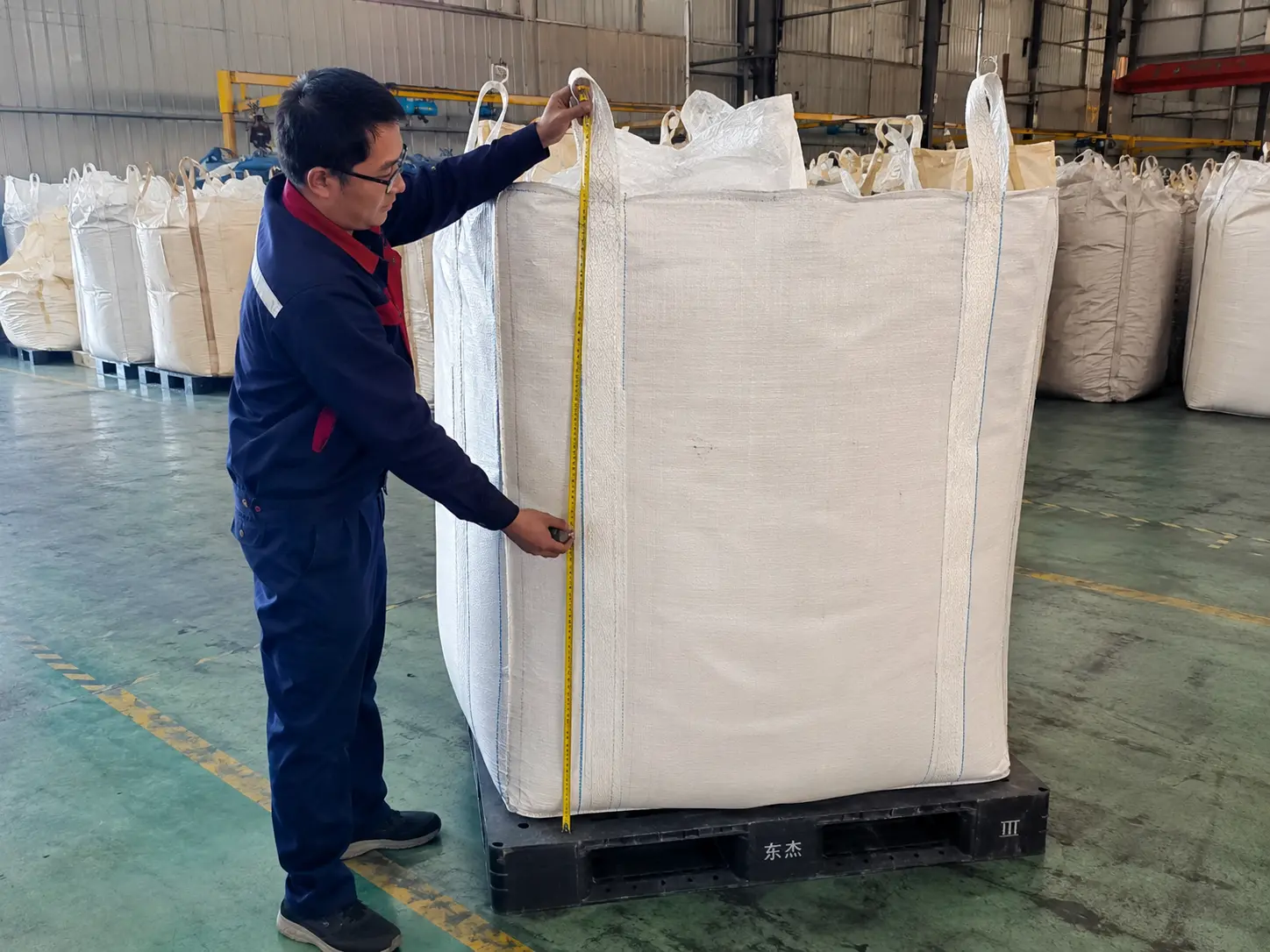
Tare, Net and Gross Weight: The Three Numbers on a Bag
Mixing up tare, net and gross weight causes freight billing errors and customs delays. Here's how the three numbers actually relate on a shipment.
Read guideFIBC Tariffs: Why the Factory Quote Isn't Your Real Cost
FIBC imports can carry standard tariffs plus trade remedy duties on top. Here's the landed-cost framework, and where to verify the current rate.
Read guideHS Code for FIBC Bags: Why 6305.32 Isn't Enough
FIBC bags sit under HS 6305.32 internationally, but your country extends that into a longer code. Here's how classification actually works.
Read guide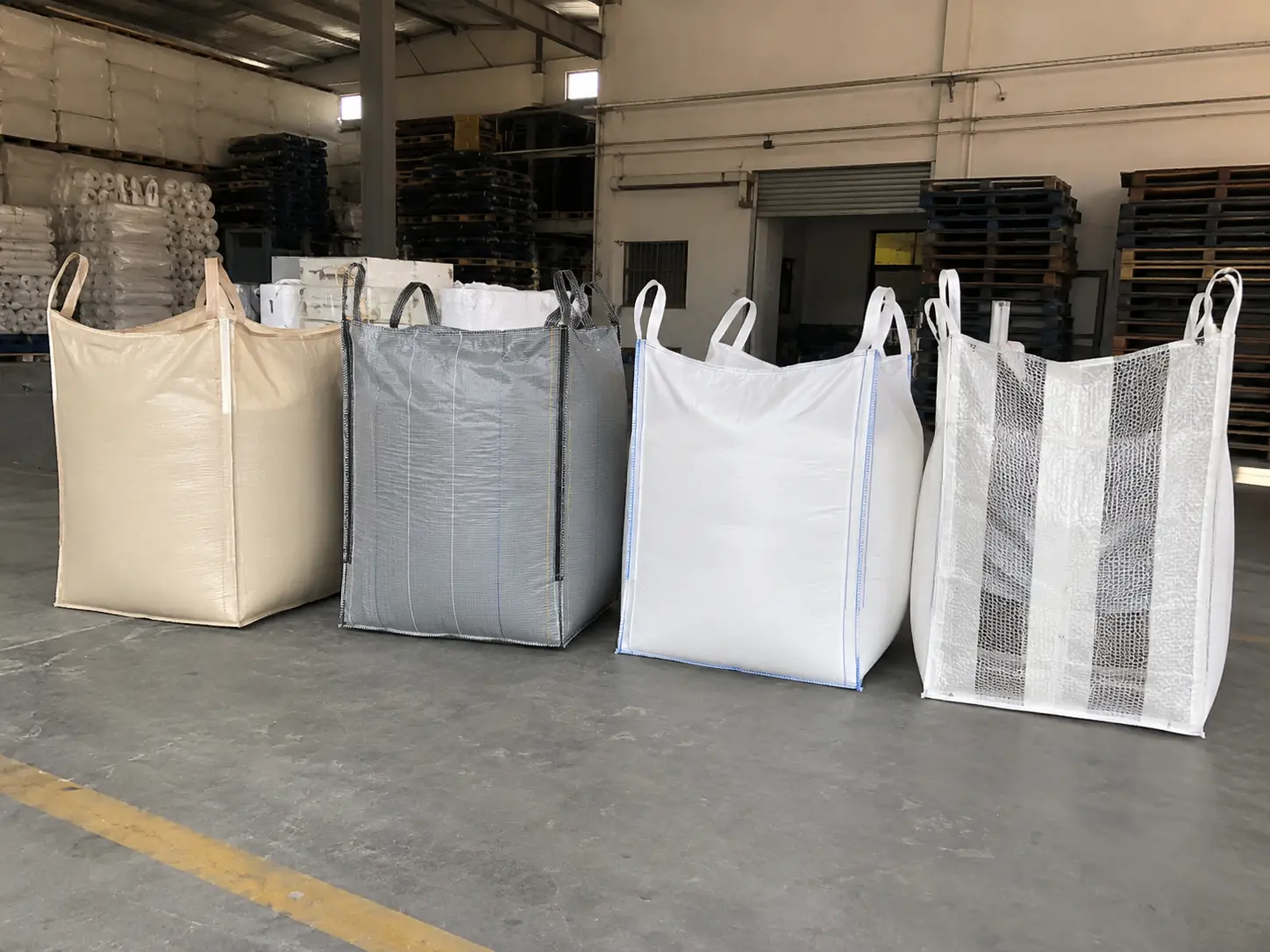
U-Panel vs Circular vs Four-Panel: Seams, Shape and Cost
Circular, U-panel and four-panel construction trade seam count against shape stability and cost. Here's which one suits your product and freight.
Read guideWhat Is an FIBC Bulk Bag? A Buyer's Starting Guide
FIBC means Flexible Intermediate Bulk Container — a woven PP bag moving 500–3000 kg of dry product. Here's how it works and what to check before buying.
Read guideHave a question these guides don't answer? Send us your question directly and we will answer within 24 hours.
Ask a Question