Buy Like an EngineerPage 2 of 6
Practical guides for buyers: FIBC types, specifications, pricing and importing from China.
All Guides — Page 2
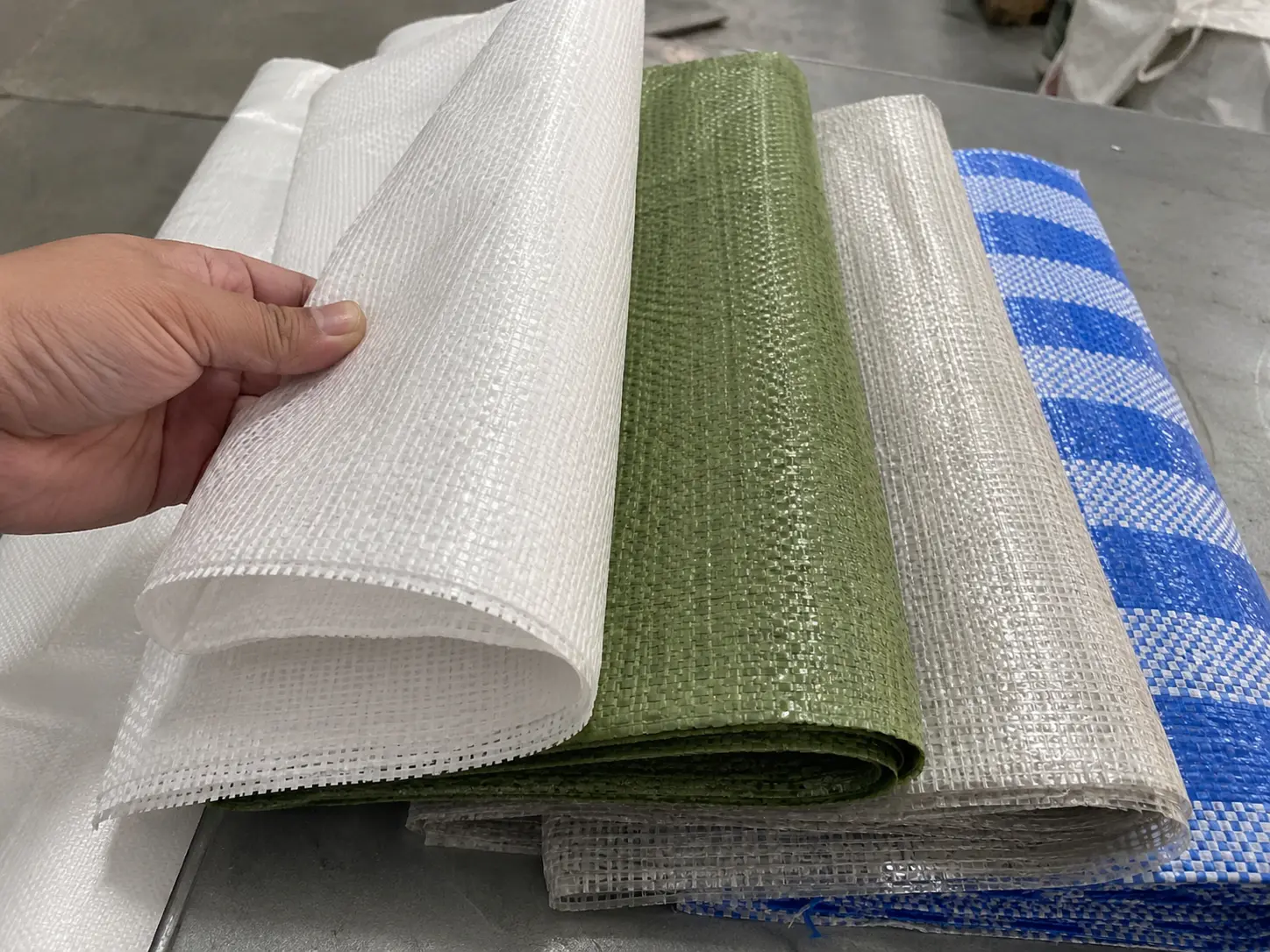
Dewatering Bulk Bags: The One FIBC Built to Let Water Out
Every other bulk bag keeps moisture away from the product. A dewatering bag does the opposite — and specifying it with coated fabric guarantees it will fail.
Read guide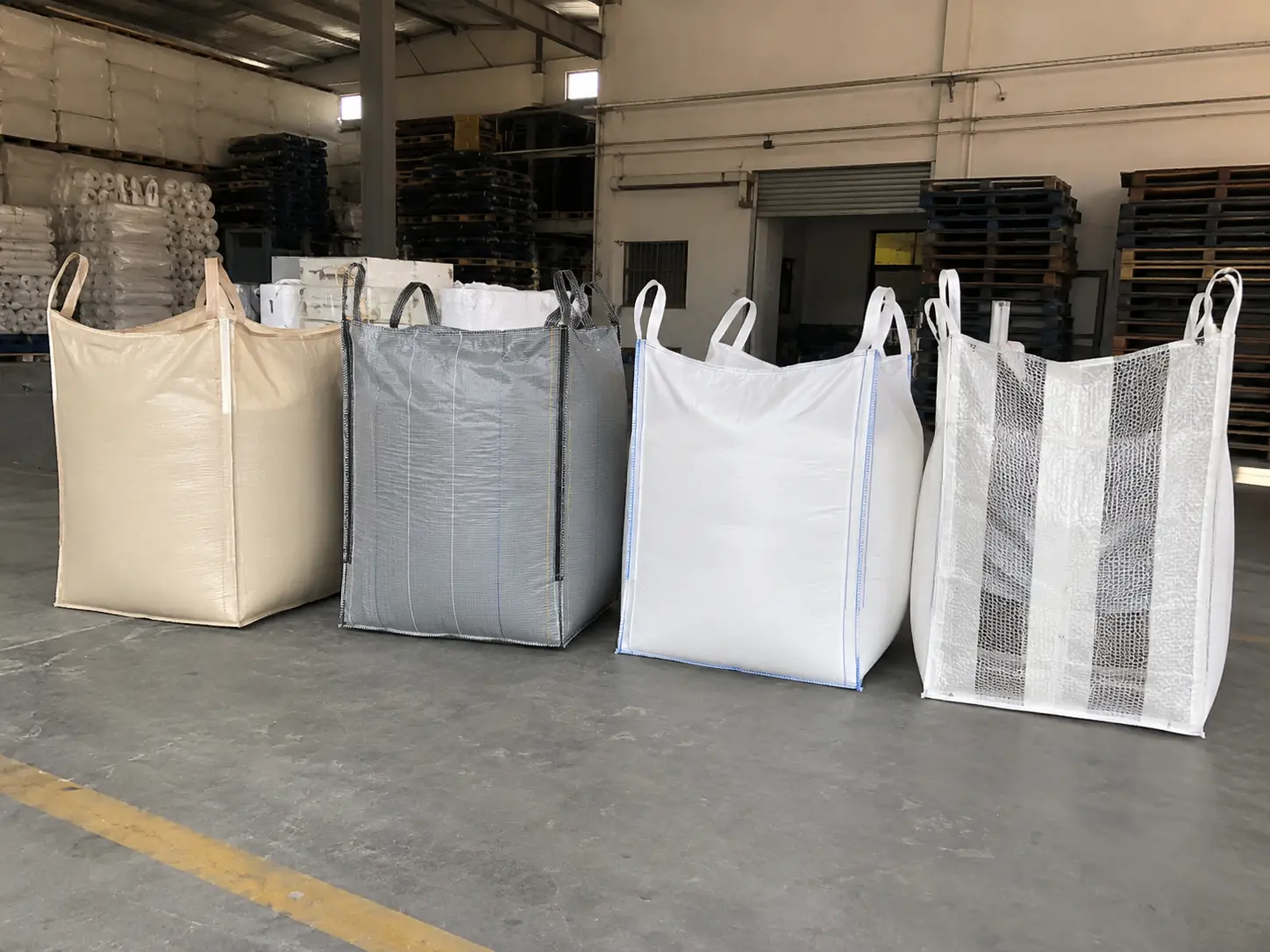
Net Baffle FIBC Bags: When Fabric Baffles Leave Corners Empty
A baffle bag that never fills its corners costs you the premium and the space. Net baffles let poor-flowing product reach corners that fabric panels block.
Read guide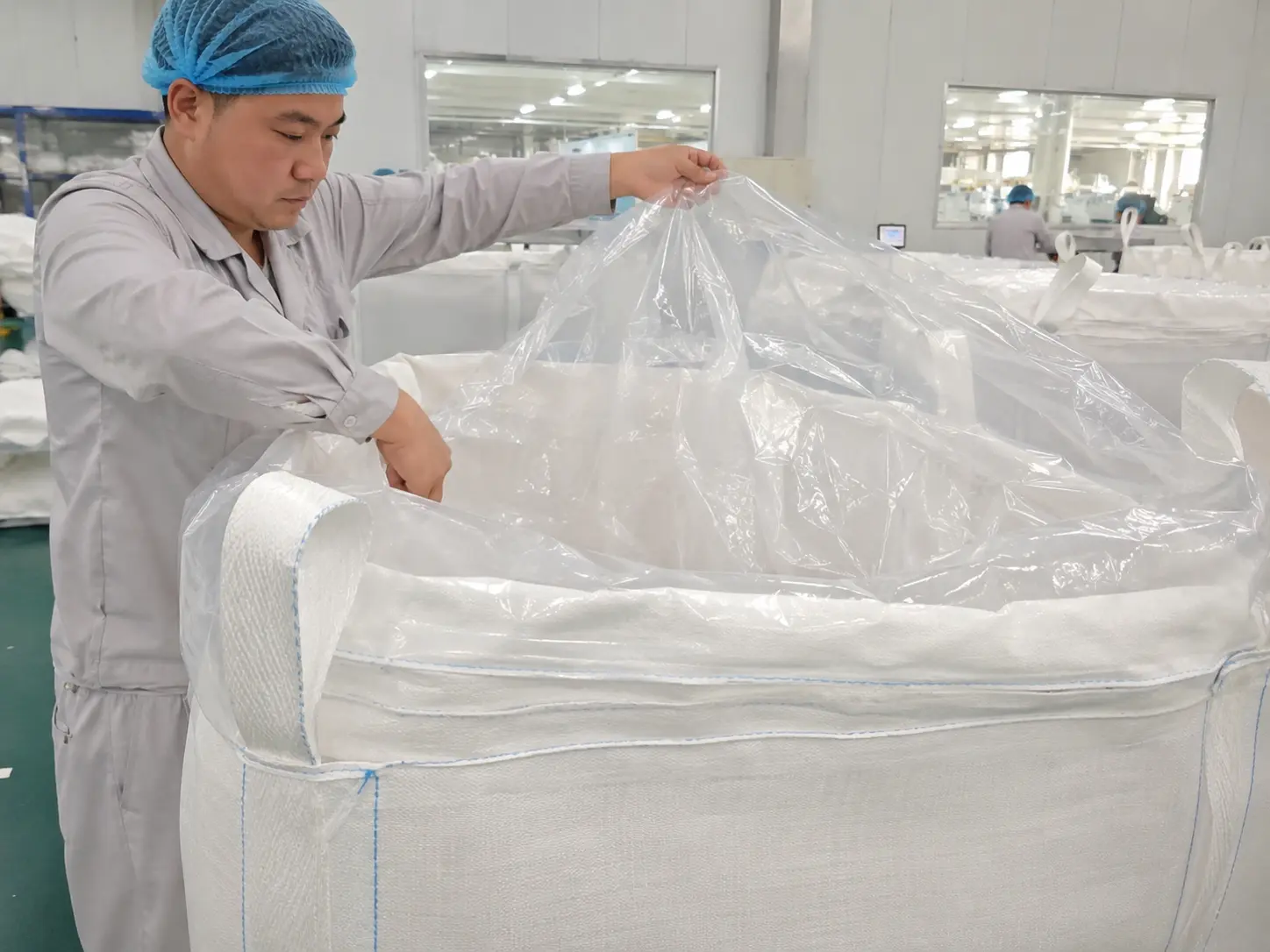
Bulk Bags for Fertilizer: Why NPK Blends Cake Faster Than Urea
Fertilizer caking is set by critical relative humidity, not by bag quality. Blended NPK absorbs moisture at humidity levels where straight urea stays dry.
Read guideType B Bulk Bags: The Anti-Static Bag That Isn't Anti-Static
Type B bulk bags cap breakdown voltage below 6 kV, which stops propagating brush discharges but not brush discharges — the reason they fail near solvent vapour.
Read guide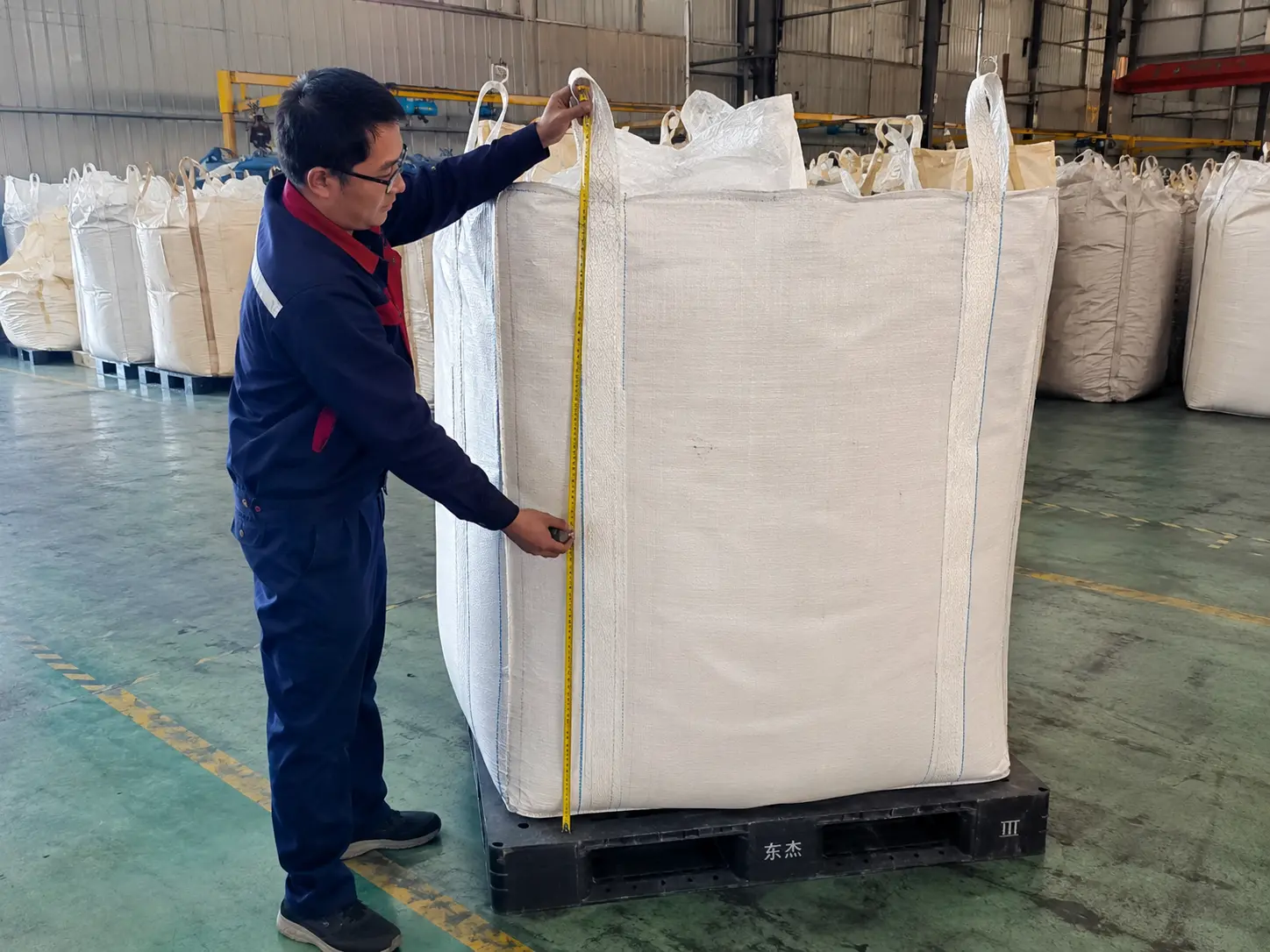
FIBC Spreader Bars: The Cheapest Way to Save Loops
Bare forklift tines abrade lifting loops every cycle. A proper spreader bar spreads the load and protects the loops — here's what to look for.
Read guide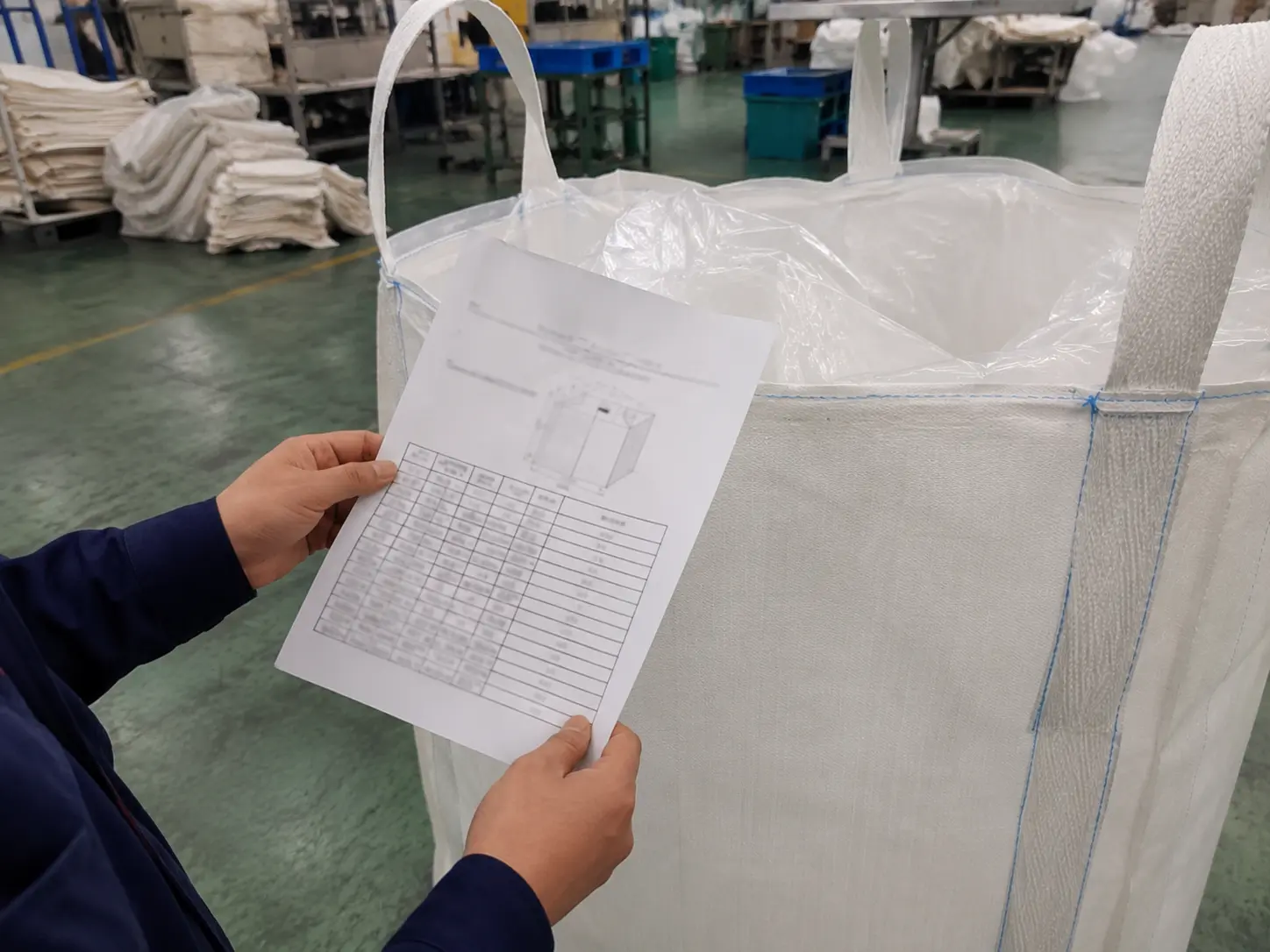
FIBC Stitching: The Failure Point GSM Doesn't Cover
Bags usually fail at the seams, not through the fabric. Stitch pattern and thread spec matter as much as GSM — and get checked far less often.
Read guide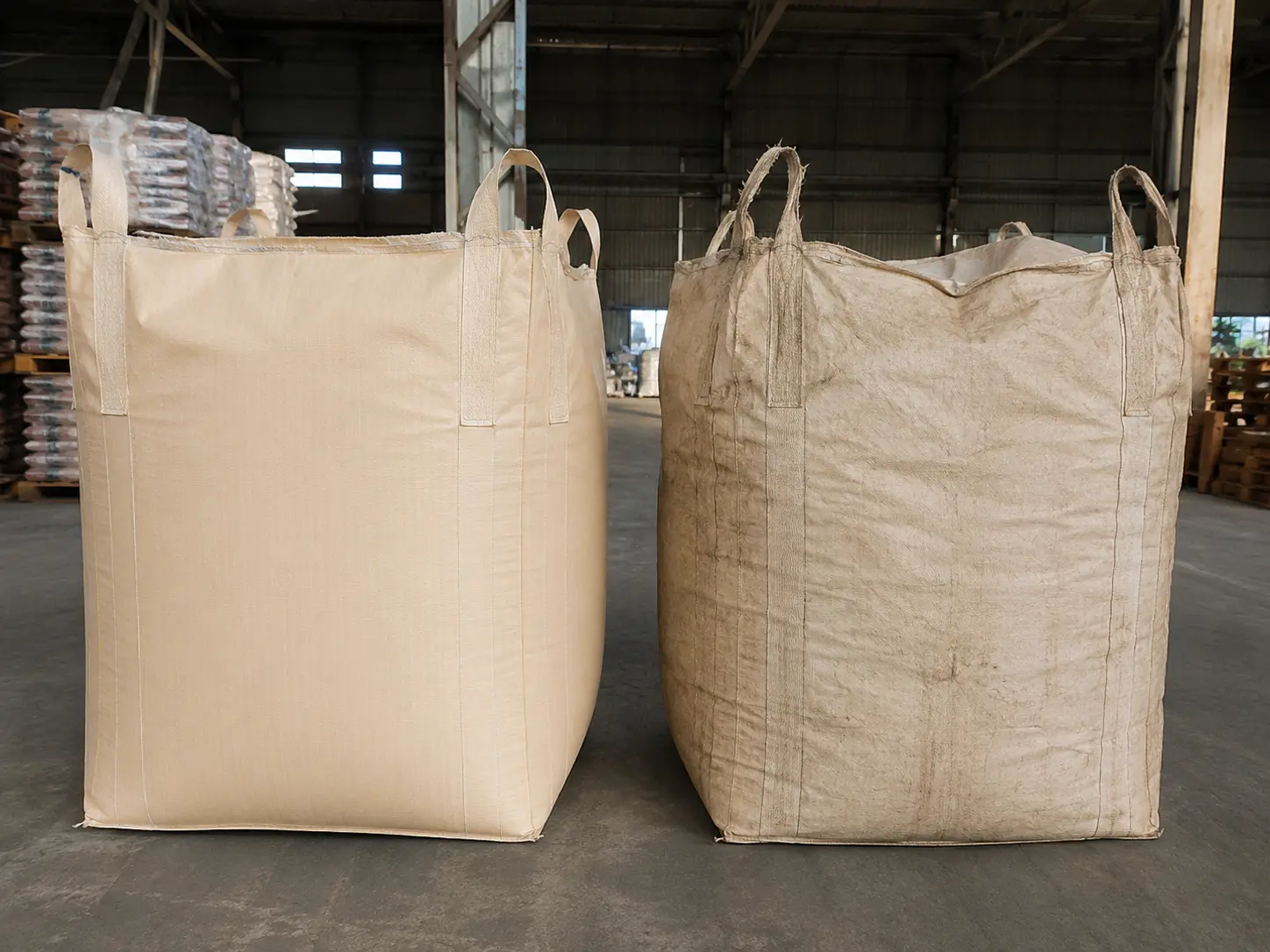
FIBC Bag Repair: Where the Damage Is Beats How Big
Not every damaged bag needs retiring, but not every tear is patchable either — the deciding factor is where the damage is, not just how big it looks.
Read guideBulk Bags for Mining: Abrasion, Not Moisture, Is the Risk
Dense, sharp-edged ore wears fabric faster than smooth granules — and high bulk density breaks generic sizing charts. Spec for both.
Read guide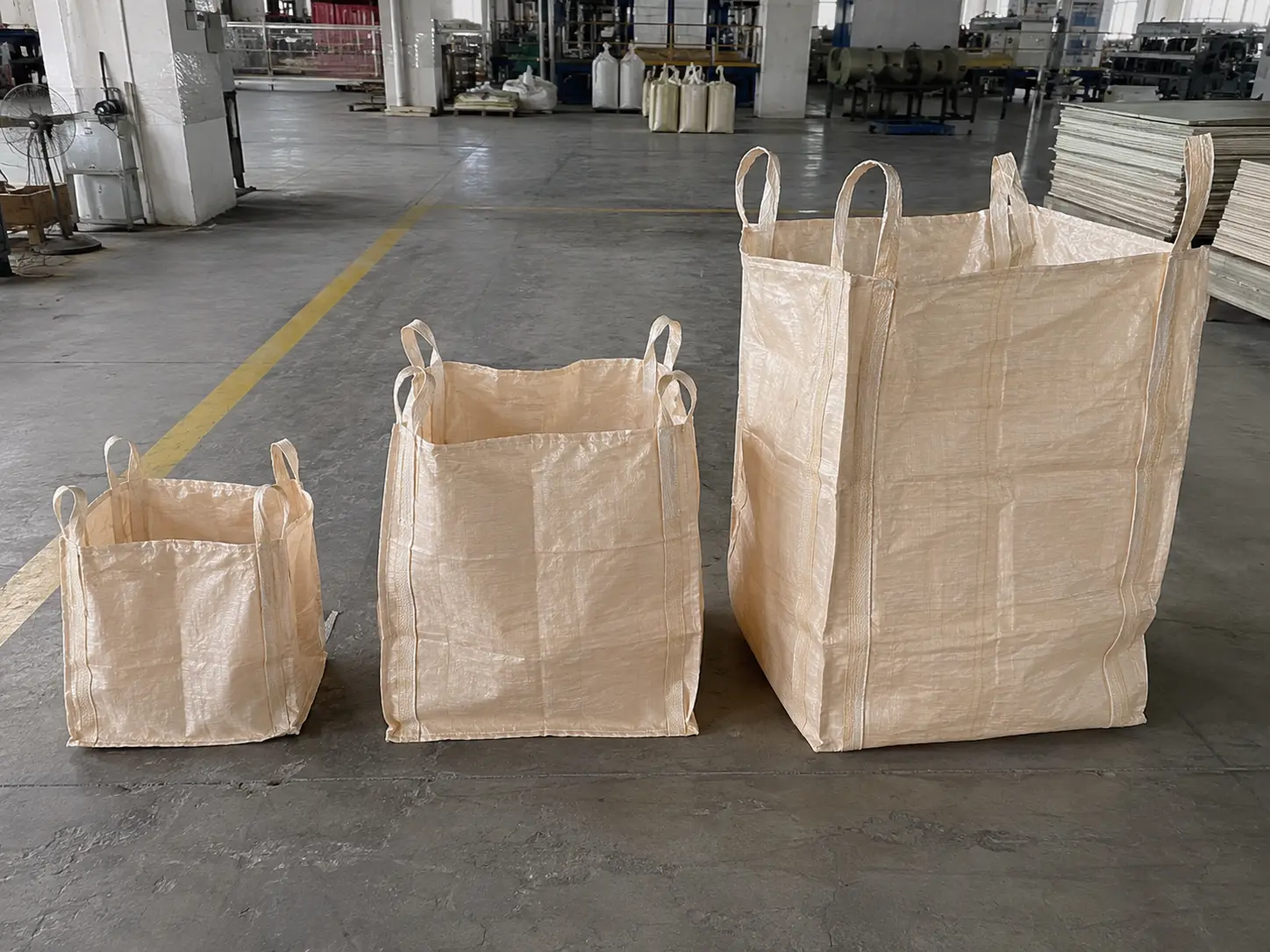
FIBC vs IBC Totes: Your Product State Decides This
IBC totes are built for liquids, FIBC bags for dry solids. They rarely compete — except in the narrow band where your product is neither.
Read guide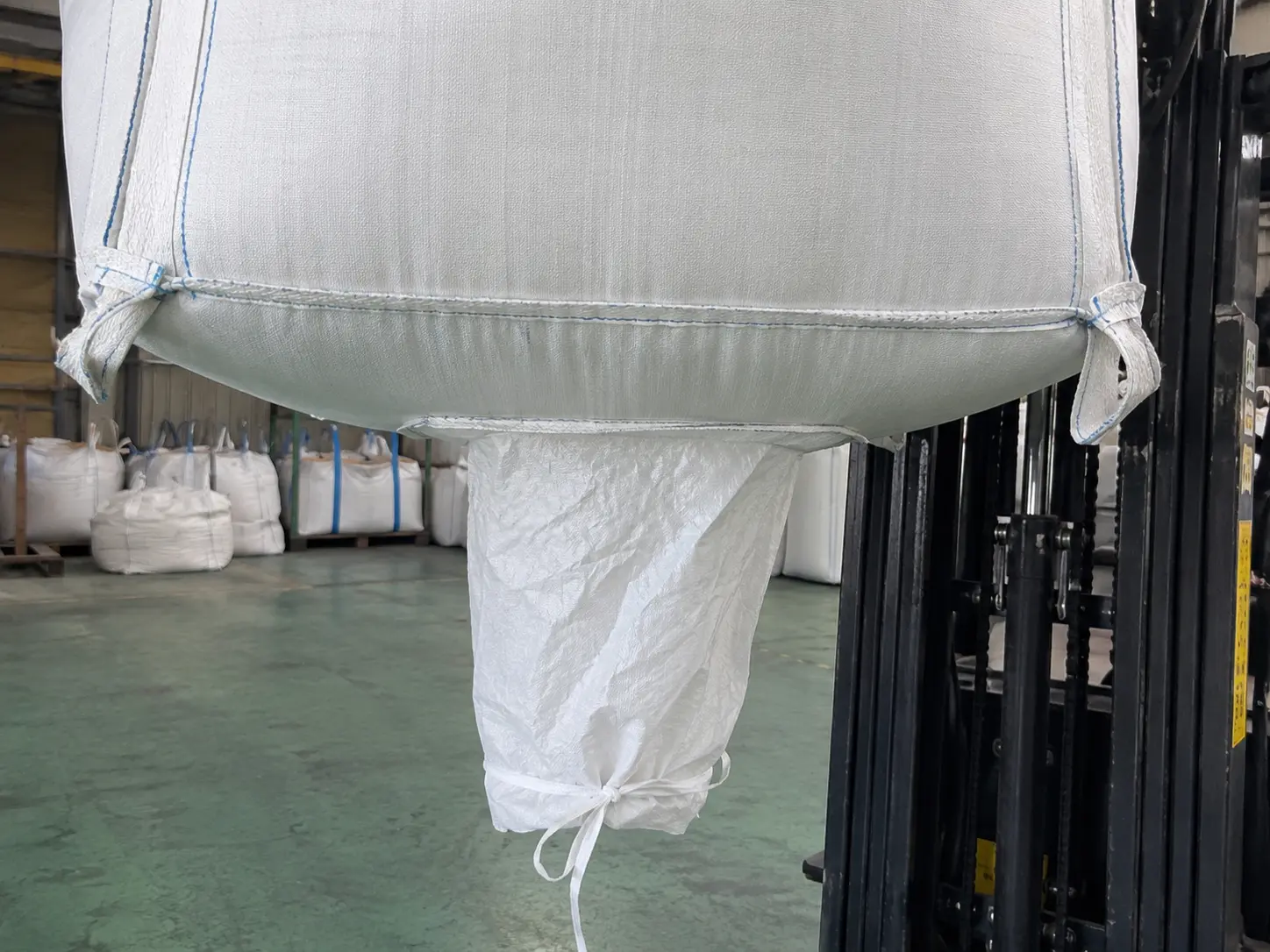
FIBC Discharge Stations: Match the Bag to the Equipment
The station and the bag have to be specified together. Here's what a discharge station does, and how bridging and dust control factor in.
Read guide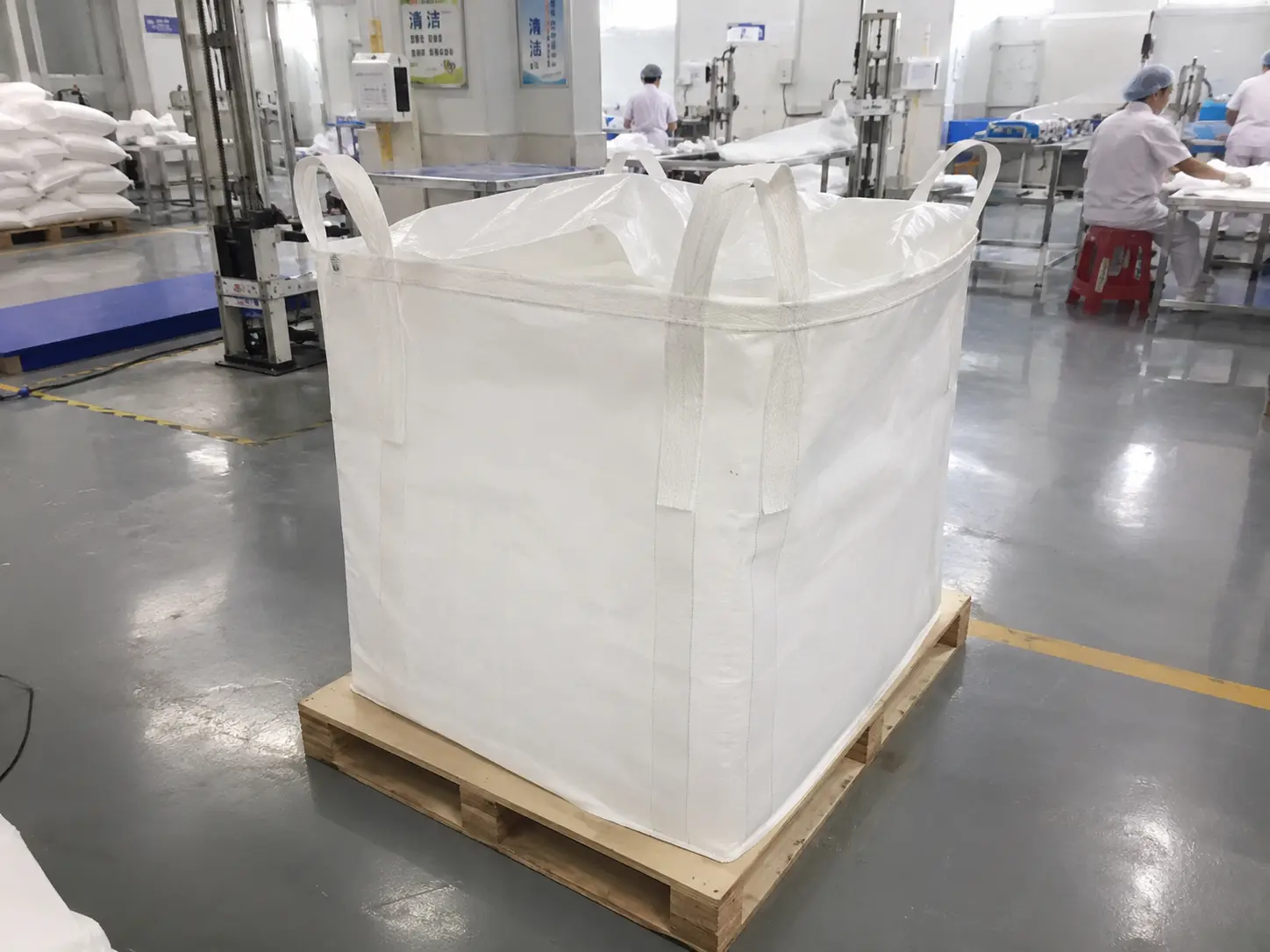
Pharma-Grade FIBC: Why Food Grade Isn't Close Enough
Cleanroom classification, a full GMP documentation chain and often two-way containment — pharma grade is a different category, not food grade with extras.
Read guideBulk Bags for Grain: Why Dried Crops Need Sealing
Dried grain needs its moisture content held steady, not vented. Ventilating a properly dried crop lets ambient humidity back in — the opposite goal.
Read guideHave a question these guides don't answer? Send us your question directly and we will answer within 24 hours.
Ask a Question