BRC Meaning: What BRCGS Stands For and What a BRC Certificate Proves
BRC means British Retail Consortium; BRCGS is BRC Global Standards. See what a BRC packaging certificate covers, how grades work and how to check one.
PackTonne Sourcing Desk · · 6 min read
BRC stands for the British Retail Consortium, the UK retail trade body whose food safety standard became a global benchmark. The standards now run under the name BRCGS, short for BRC Global Standards. In packaging, a BRC certificate means a factory has been audited against the BRCGS Global Standard for Packaging Materials — it certifies the site’s hygiene and control systems, not an individual bag. That distinction decides what you can safely promise your own customers.
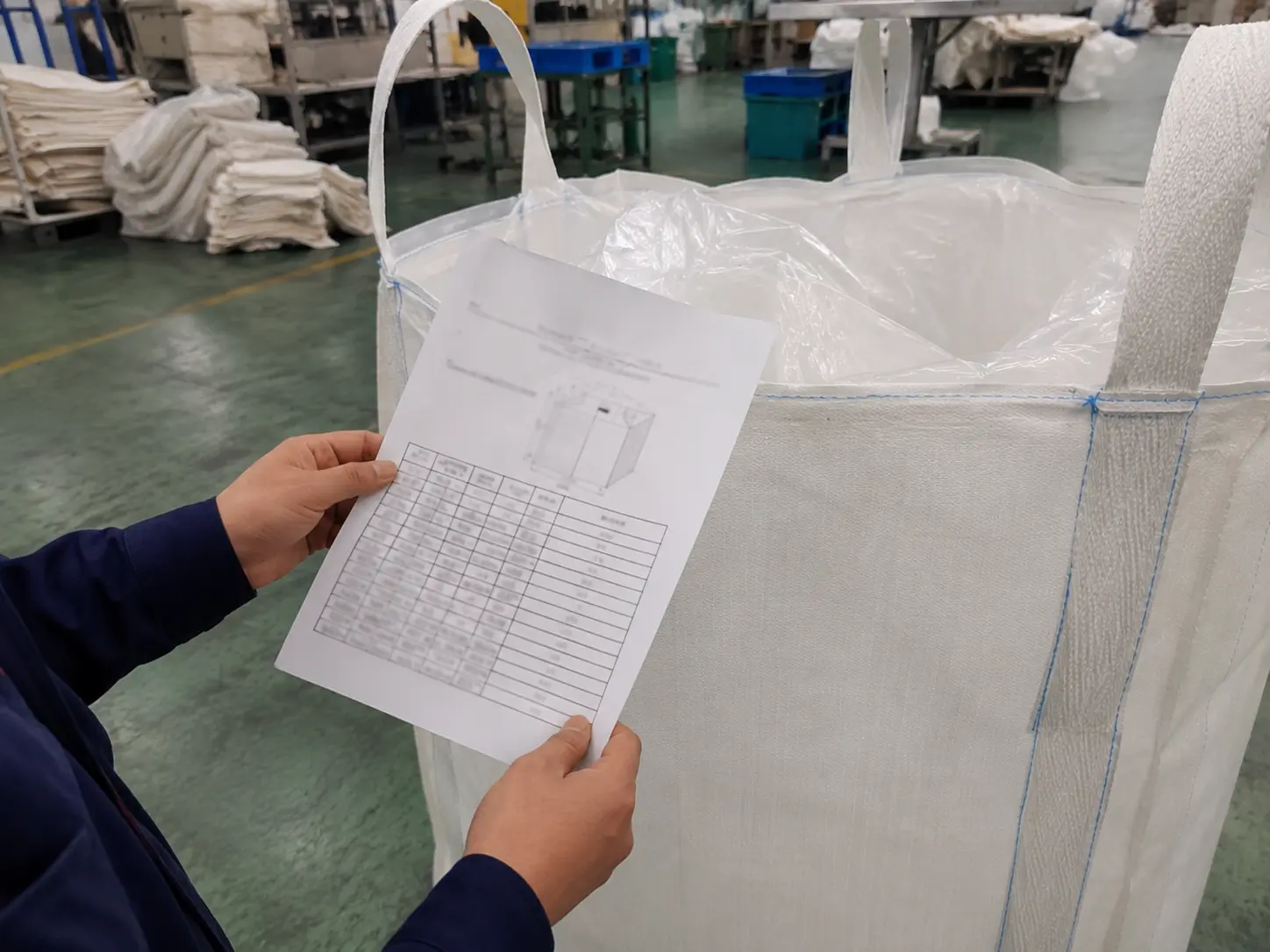
What BRC Stands For — and Why It Is Now BRCGS
BRC stands for the British Retail Consortium, the trade association that published the first BRC food safety standard in 1998 for suppliers to UK supermarkets. The standards have since been run as a separate program under the name BRCGS, and several of them are benchmarked by the Global Food Safety Initiative (GFSI), which is why retailers and food brands far outside the UK accept them. Buyers still say “BRC”; they mean the same thing.
| Term | What it means |
|---|---|
| BRC | The British Retail Consortium — and the everyday name for the standards |
| BRCGS | The standards program itself (BRC Global Standards) |
| BRC certified | A site has passed an audit against one BRCGS standard |
| GFSI | Global Food Safety Initiative — benchmarks schemes such as BRCGS so buyers accept them |
The BRCGS Standards — and Which One Covers Bulk Bags
BRCGS publishes separate standards for different parts of the supply chain, and bulk bag factories are audited against the Global Standard for Packaging Materials.
| Standard | Who is audited | Relevance to bulk bags |
|---|---|---|
| Food Safety | Food manufacturers and processors | Often your customer, if they pack food |
| Packaging Materials | Packaging makers, including FIBC factories | The one that applies to the bag factory |
| Storage & Distribution | Warehouses and logistics operators | Distributors storing food-contact bags |
| Agents & Brokers | Traders who neither make nor store product | A trading company selling bags it does not make |
| Consumer Products | Makers of non-food consumer goods | Not relevant to FIBC |
The Agents & Brokers line matters more than it looks. A trading company can hold a genuine BRCGS certificate for its own buying and document control, while the factory that sews your bags holds none. Always ask which site a certificate covers.
What a BRCGS Packaging Certificate Covers
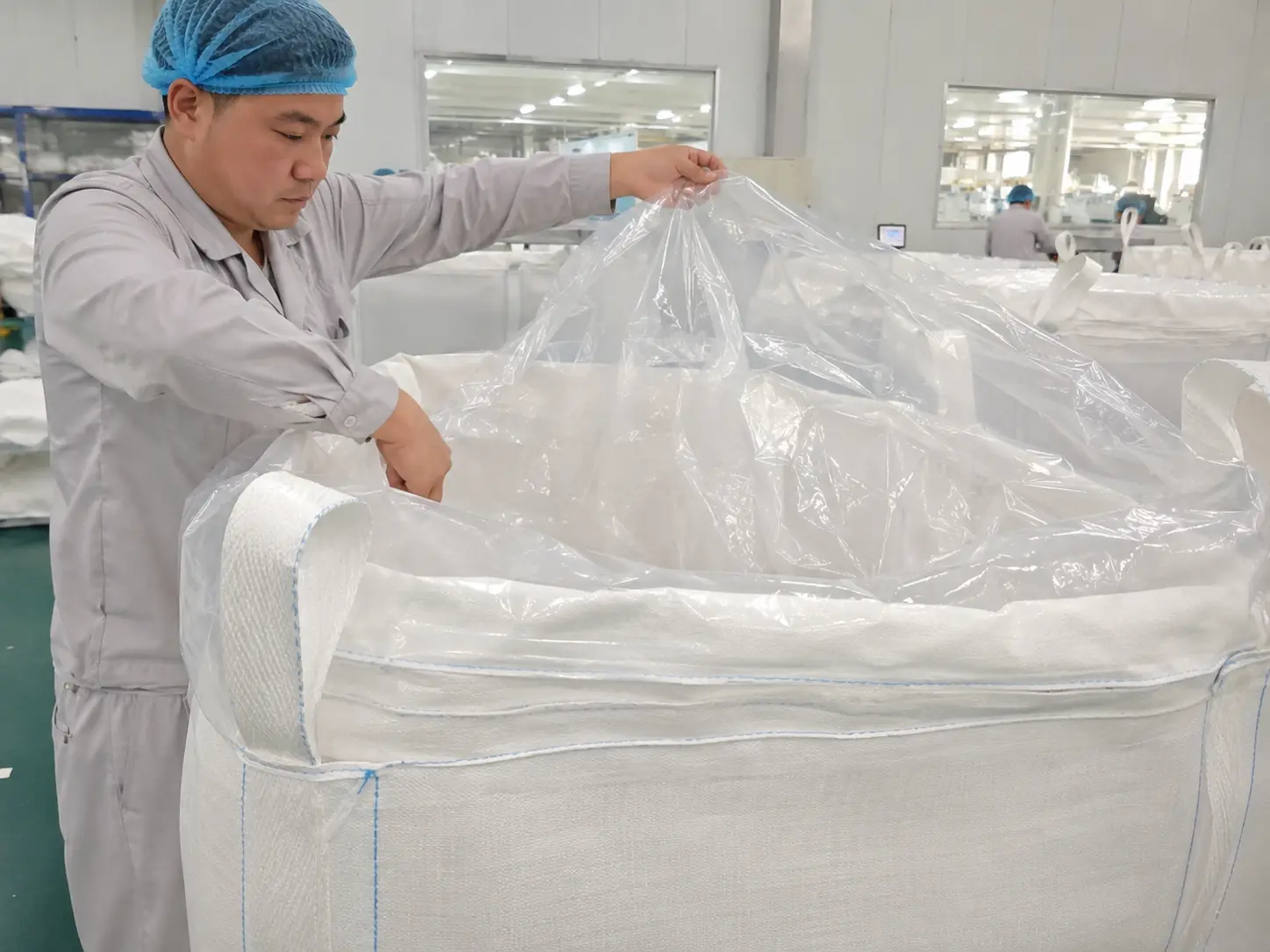
The Packaging Materials standard audits a site’s systems for keeping packaging safe for its end use. For a food-contact bulk bag factory, that means:
- Hazard and risk management — a documented assessment of what could contaminate the bag, and the controls against it
- Hygiene and foreign-body control — clean production areas, controls on glass, hard plastics and metal, loose-thread inspection
- Pest control — a managed program with records
- Traceability — batch records linking each bag to its raw materials and production run
- Supplier approval — resin, liner film and thread bought from approved sources
- Staff hygiene and training — workwear, hair covers and hand-washing rules in production areas
The certificate also states its scope: which product categories, and at which hygiene level, the audit covered. A certificate for general woven sacks does not automatically cover lined food-contact FIBCs.
What a BRC Certificate Does Not Prove
A BRCGS certificate is evidence about a factory, so it cannot stand in for the documents that prove things about a bag.
| What you need to know | Does a BRC certificate prove it? | What proves it instead |
|---|---|---|
| The factory runs hygiene and traceability systems | Yes | — |
| The liner resin meets FDA or EU food-contact rules | No | A declaration of conformity for the materials |
| This bag design lifts its rated load safely | No | An ISO 21898 test report for the design |
| The fabric meets an anti-static class | No | An IEC 61340-4-4 report for the anti-static fabric |
| The bag may carry dangerous goods | No | A UN certificate for the UN certified design |
The BRC, FDA or EU comparison explains which of these documents each export market expects, and the food grade requirements guide covers what makes the bag itself food grade.
Grades, Audits and How Long a Certificate Lasts
BRCGS grades each audit from AA, with the fewest non-conformities, down to D, and adds a plus sign when the audit was unannounced. Sites graded AA to B are typically re-audited every 12 months, and sites graded C or D every six months, so a lower grade also means a shorter certificate. Check the audit date and expiry as carefully as the grade — an expired certificate proves nothing about current production.
What Is on a BRC Certificate
A BRC certificate is a short document, and five of its fields decide whether it is useful to you: the company name, the site address, the scope, the grade and the expiry date. A packaging certificate also tells you the audit was against the Packaging Materials standard rather than the Food Safety one. If any of these do not match the supplier or the product you are buying, the certificate does not cover your order.
How to Check a Supplier’s BRC Certificate
A certificate takes five minutes to verify, and skipping the check is how buyers end up with a document that belongs to someone else.
- Ask for the certificate, with its certificate number and scope.
- Search the site in the public BRCGS Directory and compare name, address, scope, grade and expiry.
- Confirm the certified site is the factory that will make your bags, not a trading office or a sister plant.
- Check that the scope covers the product you are buying — lined food-contact FIBCs, not only general sacks.
- Ask for the product documents as well: declaration of conformity, test reports and batch traceability.
The FIBC manufacturer audit checklist covers the wider supplier checks that sit around this one.
Your BRC Checklist
- Does your customer or their retailer actually require BRCGS, or only food-contact compliance? The two need different documents.
- Have you confirmed the certificate belongs to the factory making your bags?
- Does the certificate scope name the product you are buying?
- Is the certificate current, and would a C or D grade be acceptable to your customer?
- Do you also hold the declaration of conformity and test reports for the bag itself?
Final Thoughts
BRC is shorthand for a factory that has proven its hygiene, traceability and quality systems to an independent auditor. It is valuable, and many food buyers require it — but it describes the site, not the bag. Pair the certificate with the product documents, verify it in the directory, and you will be able to answer any question your own customer asks.
Before You Request a Quote
Tell us your product, your export market and whether your buyer requires BRCGS. We will confirm before production whether the factory making your order holds a current BRCGS Packaging Materials certificate with the right scope, and assemble the product documents for our food grade bulk bags.
Common Questions
What does BRC stand for, and what does BRCGS mean?
BRC stands for the British Retail Consortium, the UK retail trade association that created the BRC food safety standard for suppliers to its member supermarkets. BRCGS means BRC Global Standards, the name the standards program uses today. The two refer to the same standards, so a supplier described as “BRC certified” holds a certificate issued against a BRCGS standard.
What is a BRC certificate?
It is the document a site receives after passing an audit against a BRCGS standard. It names the company, the site address, the product scope, the grade and the expiry date. A BRC packaging certificate means the audit was against the Packaging Materials standard. It describes the factory’s systems, not an individual bag.
What does BRC certified mean for packaging?
It means the factory has passed an audit against the BRCGS Global Standard for Packaging Materials. The audit covers hygiene, foreign-body control, pest control, traceability and quality systems at that site. It certifies how the factory operates, not the specification of an individual bag.
Is BRC certification the same as FDA approval?
No. BRCGS certifies a site’s safety and quality systems; it does not confirm that a liner resin meets FDA food-contact rules or EU regulation. For those, ask for a declaration of conformity covering the materials in your bags, alongside the BRCGS certificate if your buyer requires one.
How do I check if a supplier’s BRC certificate is valid?
Search the supplier in the public BRCGS Directory and check that the company name, site address, product scope, grade and expiry date match the certificate you were sent. Then confirm that the certified site is the factory that will actually make your bags, not a trading office.
What BRC grade should a packaging supplier have?
Grades run from AA, with the fewest non-conformities, down to D, with a plus sign added for unannounced audits. Most buyers treat AA and A as strong and ask questions about C or D. The grade matters less than confirming the certificate is current and covers your product.
Do bulk bags need BRC certification?
Only when your customer or their retailer requires it. Food manufacturers that hold a GFSI-recognized certificate often require the same of their packaging suppliers, so food-contact bulk bags are frequently bought from BRCGS-certified sites. Bags for minerals, chemicals or construction materials normally do not need it.
More in Standards & Compliance
All Standards & Compliance guides- Food Grade vs Feed Grade FIBC: 5 Checks Before You Pay for the Higher GradeFeed grade is not a tested bulk bag grade. Check your customer's rules, the liner, the production area and the documents before deciding to pay for food grade.
- Packing Group I, II, III: What They Mean and What Your Bulk Bag Must MatchPacking group I means great danger, II medium, III minor. See what each shows on shipping papers, decode X/Y/Z marks and check whether a tested FIBC fits.
- Pharma-Grade FIBC: Why Food Grade Isn't Close EnoughCleanroom classification, a full GMP documentation chain and often two-way containment — pharma grade is a different category, not food grade with extras.
- FIBC Safety Labels: An Unreadable Tag Means Stop WorkA bag whose label you can't read is a bag with unknown specifications. Here's what has to be on it, and why a faded tag stops the job.