FIBC vs IBC Totes: Your Product State Decides This
IBC totes are built for liquids, FIBC bags for dry solids. They rarely compete — except in the narrow band where your product is neither.
PackTonne Sourcing Desk · · 6 min read
IBC totes are rigid containers, commonly caged HDPE tanks, built for liquids and semi-solids. FIBC bags are flexible woven polypropylene, built for dry, flowable solids. The two rarely compete for the same job — the fundamental material state your product is in usually settles the question before cost or logistics even enter the conversation. Where it does get genuinely close is semi-solids and slurries — and that band deserves a real conversation rather than a category label.
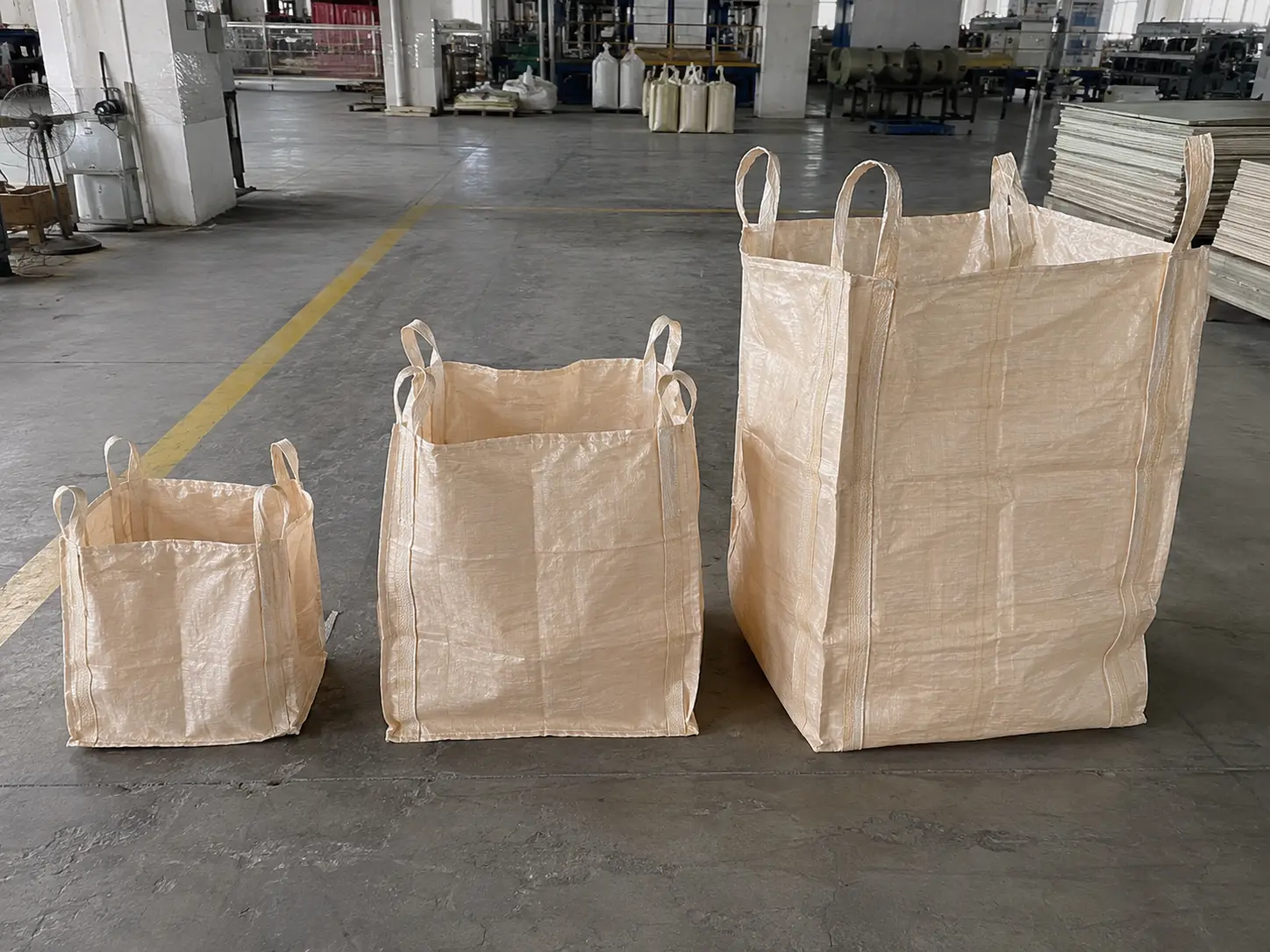
FIBC vs IBC Tote at a Glance
| FIBC Bulk Bag | IBC Tote | |
|---|---|---|
| Structure | Flexible woven polypropylene | Rigid, commonly caged HDPE tank |
| Best fit | Dry, flowable solids | Liquids and semi-solids |
| Empty footprint | Folds flat | Same footprint empty as full |
| Reusability | Single-trip (5:1) or multi-trip (6:1), finite cycles | Can run for years in closed-loop systems |
| Freight cost | Lower, especially empty | Higher upfront, potentially lower per-trip in closed loops |
| Typical certification | UN certified variants for hazardous solids | UN certified variants for hazardous liquids |
Different Products, Mostly Different Jobs
The material state your product is in — dry solid versus liquid or semi-solid — is the primary factor that determines which container type applies, more than cost or logistics preference. Standard FIBC construction isn’t built to contain liquid; while specialized liquid liners exist for FIBC shells in some cases, genuine bulk liquid transport is the domain of rigid IBC totes built specifically for that purpose. If your product is a dry, flowable solid, FIBC is almost certainly the right category; if it’s a liquid, an IBC tote is almost certainly the right category. Most sourcing decisions don’t actually require weighing the two against each other.
Reusability and Closed-Loop Economics
FIBC reuse is finite and rated — single-trip bags at 5:1 safety factor for one use, multi-trip bags at 6:1 for a limited number of cycles before retirement. IBC totes, in a well-managed closed-loop system with reliable return and cleaning, can run for years rather than a bounded number of trips. This difference in reuse lifespan is a real economic factor for operations with the infrastructure to support closed-loop container return — the math favors different container types depending on whether your supply chain can actually sustain that kind of return logistics.
Freight and Empty-Container Logistics
An FIBC folds flat to a small fraction of its filled volume, while a rigid IBC tote occupies the same floor space empty as it does full — a meaningful difference for return freight and storage of empty containers. This favors FIBC in situations where empty-container logistics matter, and favors IBC totes less in exactly those situations unless the closed-loop reuse economics (fewer total container purchases over time) outweigh the ongoing cost of moving and storing bulky empty totes.
Cost Considerations Beyond Per-Unit Price
FIBC is generally cheaper to manufacture and ship, particularly empty, due to lower material weight and collapsibility. IBC totes cost more upfront but can offer a lower per-trip cost over a long closed-loop service life if your supply chain reliably returns and cleans containers for reuse. Neither is universally cheaper — the right comparison depends on your actual usage pattern, trip count, and whether you have the logistics infrastructure to sustain a closed loop, similar to the new-vs-used and multi-trip economics tradeoffs already covered for FIBC alone.
When the Choice Actually Gets Ambiguous
Semi-solids and slurries sit in a genuine gray zone between the two categories, where viscosity, flow characteristics, and handling requirements determine which container actually fits better — this isn’t a case where one category obviously applies, unlike the clear-cut dry solid versus liquid split covered above. If your product falls into this middle ground, treat it as a direct technical conversation with your supplier about your specific material’s behavior, rather than assuming either FIBC or IBC based on a general product category label.
Common Mistakes When Comparing the Two
- Comparing per-unit price without accounting for reuse cycles. A single-trip FIBC and a multi-year closed-loop IBC tote need a cost-per-trip comparison, not a sticker-price one.
- Assuming FIBC can handle a liquid product with a generic liner. Standard construction isn’t built for liquid containment — this needs a specific, purpose-built liquid liner or a rigid tote, not an assumption either way.
- Overlooking empty-container logistics costs for IBC totes. A rigid tote’s full-footprint-when-empty characteristic is a real freight and storage cost that’s easy to underweight against per-unit purchase price.
- Treating semi-solid or slurry products as an obvious fit for one category. This is a genuine gray zone — verify with your supplier rather than assuming.
- Ignoring whether your supply chain can actually sustain closed-loop IBC return. The economics that favor IBC totes depend on infrastructure many operations don’t have in place.
Both Serve Real, Distinct Needs
Neither container type is a universal “better” choice — they’re built for different material states and different reuse models, and most sourcing decisions resolve quickly once you’re clear on which category your product actually falls into. The comparison matters most at the margins: ambiguous semi-solid products, or operations weighing whether to invest in closed-loop IBC infrastructure versus continuing with single-trip FIBC economics.
Decision Checklist
- Is your product a dry, flowable solid or a liquid/semi-solid? This settles most cases before other factors matter.
- Does your supply chain support reliable closed-loop container return and cleaning? This changes whether IBC’s long-term reuse economics apply to your situation.
- Does empty-container freight and storage matter for your operation? FIBC’s flat-fold advantage is more relevant here than for IBC totes.
- Is your product genuinely ambiguous — a semi-solid or slurry? Have a direct technical conversation rather than assuming a category.
- Have you calculated cost per trip, not just cost per container? The right comparison depends on your actual reuse pattern, not sticker price alone.
Final Thoughts
For most products this decision resolves in a sentence: liquids go in totes, dry solids go in bags. The comparison only earns real thought at the margins — a slurry that could go either way, or an operation deciding whether closed-loop tote infrastructure is worth building. If your product is a dry solid, tell us what it is and we’ll take it from there.
Before You Request a Quote
If you’ve confirmed FIBC is the right category for your product, send us your details:
- Product type and physical state
- Target capacity and single-trip or multi-trip plans
- Any certification requirements for hazardous materials
- Expected order volume
Request a quote and we’ll confirm the right FIBC spec for your dry bulk product.
Common Questions
What's the basic difference between an FIBC and an IBC tote?
An FIBC is a flexible woven polypropylene bag built for dry, flowable solids. An IBC (Intermediate Bulk Container) tote is a rigid container, commonly a caged HDPE tank, built for liquids and semi-solids. The fundamental material state each is designed to handle drives almost every other difference between them.
Can FIBC bags hold liquids?
Not standard FIBC construction — dry bulk woven PP bags aren't built to contain liquid. Specialized liquid liners exist for FIBC shells in some cases, but for genuine liquid or semi-liquid bulk transport, a rigid IBC tote is the standard and more reliable choice.
Which is cheaper, FIBC or IBC totes?
It depends on your usage pattern. FIBC is typically cheaper to manufacture and ship, especially empty, due to lower weight and flat-fold collapsibility. IBC totes cost more upfront but can achieve a longer service life in a closed-loop system with reliable container return and cleaning, sometimes undercutting single-trip FIBC on a per-trip basis over time.
Do IBC totes fold flat like FIBC bags when empty?
No — a rigid IBC tote takes up the same floor space empty as full, unlike an FIBC that folds flat to a fraction of its filled volume. This is a meaningful factor in empty-container return logistics and storage space, favoring FIBC when reverse logistics matter.
What about semi-solid or slurry products — which container fits better?
This is the genuinely ambiguous zone between the two categories. Semi-solids and slurries sometimes work in either format depending on viscosity and handling requirements — this is worth a direct conversation with your supplier rather than assuming either container type automatically fits.
Do IBC totes and FIBC bags use the same lifting equipment?
No. IBC totes are handled on their integrated pallet base with standard forklift tines; FIBC bags need loop-engaging equipment. Switching between the two isn't only a packaging decision — budget for the handling attachment if you're moving from one to the other.
Which is easier to clean for reuse?
Rigid IBC totes, by a wide margin — smooth, accessible interior surfaces are designed for wash-down between cycles. Woven fabric holds residue in the weave and is far harder to verify as clean, which is a large part of why FIBC reuse is limited rather than open-ended.
More in FIBC Basics
All FIBC Basics guides- What Is an FIBC Bulk Bag? A Buyer's Starting GuideFIBC means Flexible Intermediate Bulk Container — a woven PP bag moving 500–3000 kg of dry product. Here's how it works and what to check before buying.
- Bulk Bags vs Gaylord Boxes: Which Fits Your Supply Chain?Gaylord boxes suit domestic, indoor, dry-goods handling. FIBC bags fold flat, resist moisture and scale to export. Here's when each one wins.
- What Is a Super Sack? FIBC vs Bulk Bag vs Jumbo Bag ExplainedSuper sack, FIBC, bulk bag and jumbo bag all describe the same product. Here's where each term comes from and why suppliers use them differently by region.
- Types of FIBC Bags: A/B/C/D, Baffle, Food Grade ExplainedSix FIBC types cover nearly every bulk product. Which one you need depends on what's inside the bag — flammability, moisture, hazard class — not price.