HS Code for FIBC Bags: Why 6305.32 Isn't Enough
FIBC bags sit under HS 6305.32 internationally, but your country extends that into a longer code. Here's how classification actually works.
PackTonne Sourcing Desk · · 6 min read
FIBC bags classify under HS heading 6305.32 internationally — sacks and bags for packing goods, made of man-made textile materials, within Chapter 63’s “other made-up textile articles” category. But 6305.32 is only the 6-digit international heading; your specific country extends this into a longer national code, and details like liner material, printing, or construction type can affect which exact sub-code applies. Which is why a code that cleared customs in one market can be wrong in the next one.
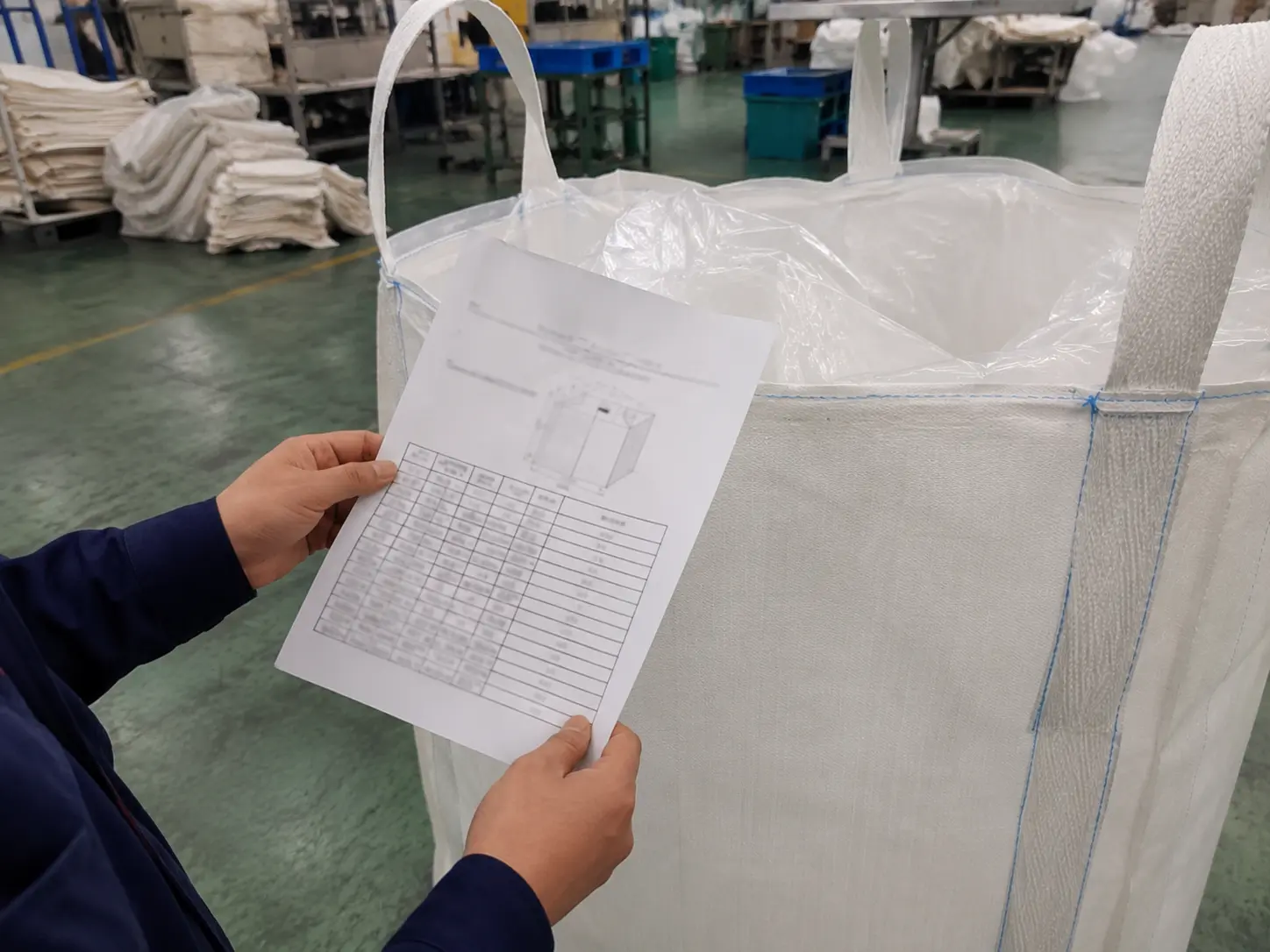
HS Classification Structure
| Level | Example | What it represents |
|---|---|---|
| Chapter (2-digit) | 63 | Other made-up textile articles |
| Heading (4-digit) | 6305 | Sacks and bags for packing of goods |
| Subheading (6-digit) | 6305.32 | Of man-made textile materials, international standard |
| National code (8–10 digit) | Varies by country | Country-specific breakdown, your customs broker confirms this |
What HS 6305.32 Actually Covers
The 6-digit international heading identifies FIBC bags as textile packing sacks made from synthetic or man-made materials — the category that woven polypropylene falls into, distinguishing it from bags made of natural fibers like jute or cotton, which classify elsewhere in the same broader heading. This 6-digit level is harmonized globally under the World Customs Organization’s system, which is why 6305.32 is the consistent reference point across countries even though the full national code differs.
Why the Exact Sub-Code Varies by Country
Each country builds its own 8- or 10-digit tariff schedule on top of the internationally harmonized 6-digit heading, and these national extensions can differentiate FIBC bags by details the 6-digit code doesn’t capture — construction specifics, coating presence, or other factors specific to that country’s schedule. This is why a code that’s correct for one destination market isn’t automatically correct for another, and why “6305.32” alone isn’t sufficient information for filing actual customs paperwork — you need the specific national code for your import country.
What Can Change Classification: Material, Liner, Construction
Whether a liner, coating, or specific construction type shifts an FIBC into a different national sub-code depends entirely on how your destination country’s tariff schedule is structured — some schedules distinguish coated from uncoated fabric within the broader heading, for example. This isn’t something to assume either way; confirm with a customs broker whether your specific bag’s features affect classification for your destination, rather than assuming a liner or printing has no classification consequence.
Common Misclassification Risks
- Assuming the 6-digit international heading is sufficient for customs filing. You need the full national code specific to your import country.
- Using a code from a previous shipment without reconfirming for a different destination country. National codes vary — a code correct for one market isn’t automatically correct for another.
- Not accounting for construction changes. Switching to a coated fabric, adding a liner, or changing construction type can shift classification depending on your country’s schedule.
- Relying on a supplier’s classification without independent verification. As the importer of record, classification responsibility typically falls on you, not your supplier.
- Not requesting a binding ruling for a borderline or high-value classification question. Many customs authorities offer this, and it removes ambiguity before goods ship rather than after a dispute arises.
Working With a Customs Broker on Classification
A licensed customs broker can confirm the exact national code for your specific FIBC spec and destination country, and for higher-value or recurring shipments, requesting a binding classification ruling from your customs authority removes ongoing ambiguity. This is worth doing before your first shipment of a new spec, not after a customs question arises on goods already in transit — correcting a classification after the fact is considerably more disruptive than confirming it upfront.
Classification Is Separate From the Duty Rate Question
Getting the HS code right is a distinct question from what duty rate applies to that code — classification determines which rate schedule and any trade remedy orders apply to your shipment, but doesn’t by itself tell you the number. See our tariffs guide for the duty-rate side of this conversation; the two questions are related but need to be answered separately, and getting classification wrong can mean the wrong duty rate gets applied even if your rate research elsewhere was accurate.
Why This Matters More Than It Might Seem
A misclassification often doesn’t surface immediately — goods can clear customs under an incorrect code without an obvious problem at the time, only for the error to surface later during an audit or review, sometimes retroactively across multiple past shipments. This delayed-discovery pattern is part of why getting classification right upfront matters more than it might seem for a single shipment; the exposure compounds with every shipment filed under the same incorrect code before the error is caught.
Decision Checklist
- Do you have the full national HS code for your destination, not just 6305.32? Confirm with a broker rather than assuming the 6-digit heading is enough.
- Have you reconfirmed classification for each destination country you ship to? National codes and their sub-distinctions vary.
- Does your specific bag’s construction — liner, coating, printing — affect classification under your destination’s schedule? Don’t assume it doesn’t without checking.
- Is classification responsibility clearly yours as importer of record, not assumed to be your supplier’s? Verify independently.
- Would a binding ruling remove ambiguity for a recurring or high-value shipment? Consider requesting one rather than relying on an informal classification.
Final Thoughts
Classification errors rarely announce themselves — goods clear, shipments continue, and the problem surfaces during a later audit covering everything filed under the same wrong code. That delayed exposure is exactly why confirming the full national code before a first shipment costs less than fixing it afterward. Send us your construction details and destination and we’ll give your broker what they need to classify accurately.
Before You Request a Quote
Send us your product spec and destination, and we’ll help you prepare for the classification conversation with your broker:
- Destination country
- Bag construction — fabric type, liner, coating, printing
- Target capacity and order volume
- Any static protection, food grade, or hazardous goods certification
Request a quote for the product spec side — we’ll point you toward confirming classification with a licensed broker for your specific destination.
Common Questions
What HS code do FIBC bags fall under?
Internationally, FIBC bags classify under HS heading 6305.32 — sacks and bags for packing goods, of man-made textile materials, within Chapter 63 (other made-up textile articles). Your country's specific customs tariff schedule extends this 6-digit heading into a longer national code.
Why isn't 6305.32 the complete code I need for customs paperwork?
6305.32 is the international 6-digit heading agreed under the Harmonized System, but countries extend it into 8- or 10-digit national codes with their own specific breakdowns — by construction detail, material blend, or other factors. You need the full national code for your specific destination, not just the 6-digit heading.
Does adding a liner or printing change the HS classification?
It can, depending on your country's specific national tariff schedule and how it defines sub-categories within 6305.32. Some classification systems distinguish coated versus uncoated, or account for significant non-textile components. Confirm with a customs broker rather than assuming a liner or printing has no classification impact.
What happens if an FIBC bag is misclassified?
Misclassification can trigger customs delays, back-duties, or penalties even when unintentional — customs authorities can review and correct a classification after the fact, sometimes retroactively across multiple past shipments. Getting the classification right from the start avoids this exposure entirely.
Should I determine my own HS code or use a customs broker?
For anything beyond the basic 6-digit heading, work with a licensed customs broker or request a binding classification ruling from your customs authority. The cost of getting this wrong — delays, penalties, back-duties — significantly outweighs the cost of professional classification help.
Can I use the same HS code my supplier puts on the invoice?
Treat it as a starting point, not an answer. Suppliers classify for export from their country; you're classifying for import into yours, and the national extensions differ. As importer of record the classification obligation is yours, so confirm it independently with a broker.
What is a binding ruling and when is it worth requesting?
It's a formal classification determination from your customs authority that removes ambiguity for future shipments. It's worth requesting for recurring imports, high-value orders, or any specification sitting on a genuine classification boundary — the cost is modest against a retroactive reclassification.
More in Buying & Importing
All Buying & Importing guides- Inspected Used Bulk Bags: Why a 5:1 Bag Can't Be ReusedInspected is not a standard — it covers everything from a visual glance to light-table and loop-pull testing. No inspection makes a single-trip bag reusable.
- FIBC Tariffs: Why the Factory Quote Isn't Your Real CostFIBC imports can carry standard tariffs plus trade remedy duties on top. Here's the landed-cost framework, and where to verify the current rate.
- Bulk Bag Pre-Shipment QC: How Many Bags to Actually CheckHow many bags to pull, what to check on each, and how defects get classified — pre-shipment QC is a method, not a supplier's reassurance.
- FIBC Manufacturer Audit: 5 Checks Before You OrderFive things a supplier audit should verify — traceability, test reports, certification specifics, spec match and inspection access. No factory visit needed.