Buy Like an Engineer
Practical guides for buyers: FIBC types, specifications, pricing and importing from China.
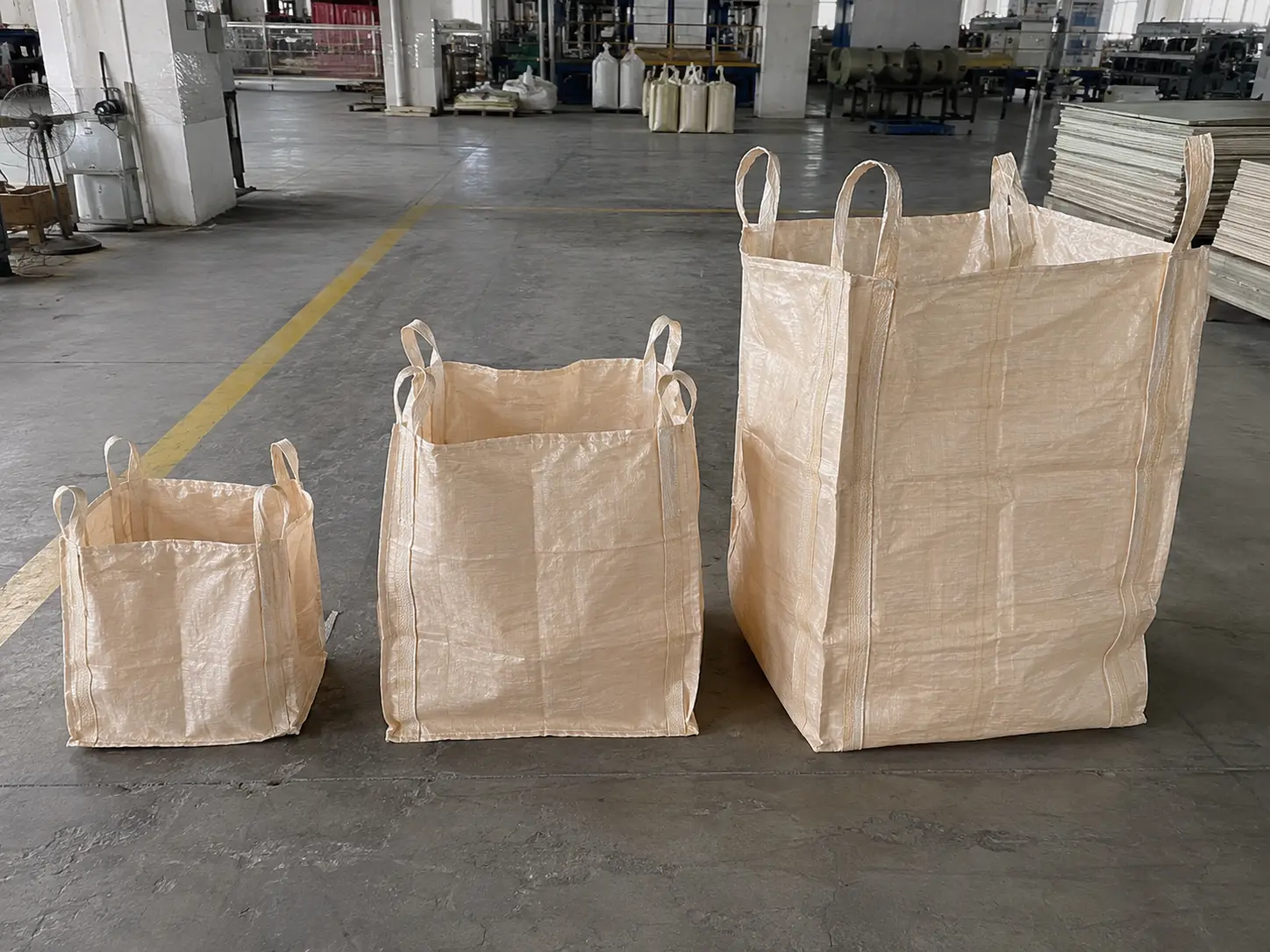
1 Ton Bags Explained: Capacity, SWL and Safety Factors
A 1 ton bag's rated capacity is its safe working load (SWL) — the operating limit, not the breaking point. Here's how SWL, safety factor and breaking strength actually relate.
Read guide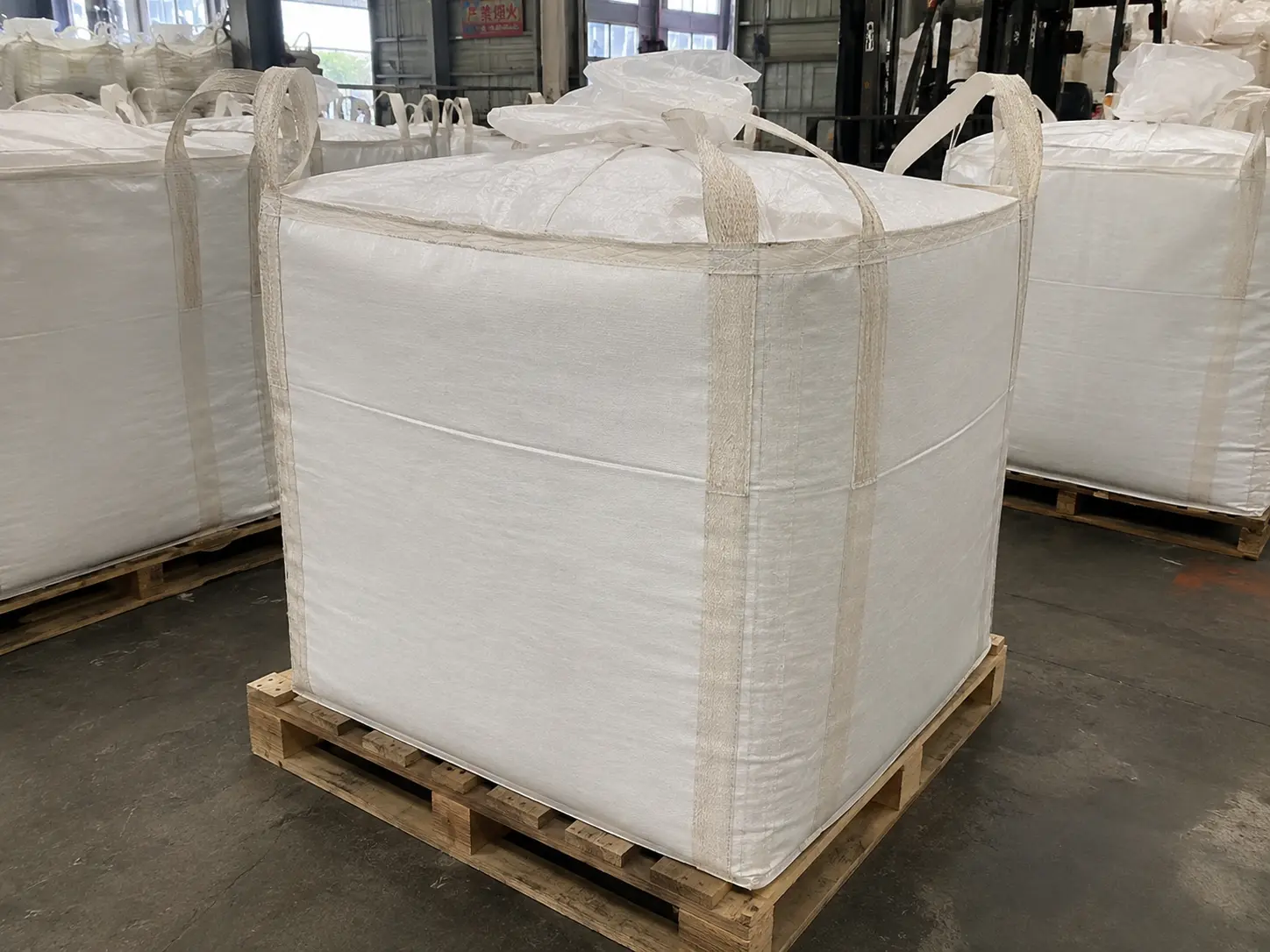
Baffle Bags (Q Bags): When Do You Need One?
Baffle construction is a shape feature, not a hazard or compliance category. It keeps a bag square when filled — worth the premium when container space matters, not always otherwise.
Read guide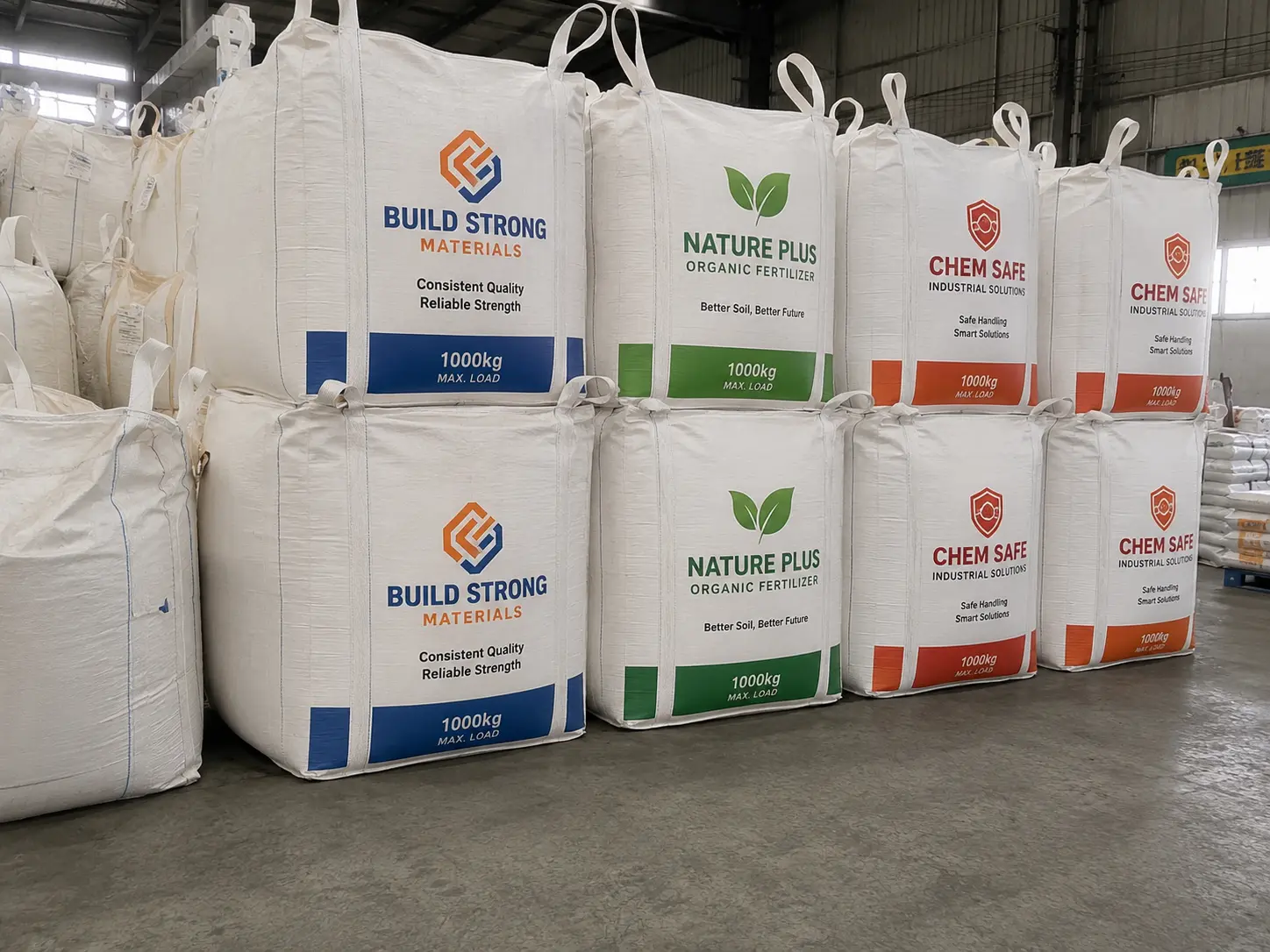
Custom Printed Bulk Bags: Options, Plate Fees & Minimums
Custom printing on FIBC bags means a one-time plate fee per color, a higher MOQ than plain bags, and a print method suited to woven PP texture. Here's how the cost actually breaks down.
Read guide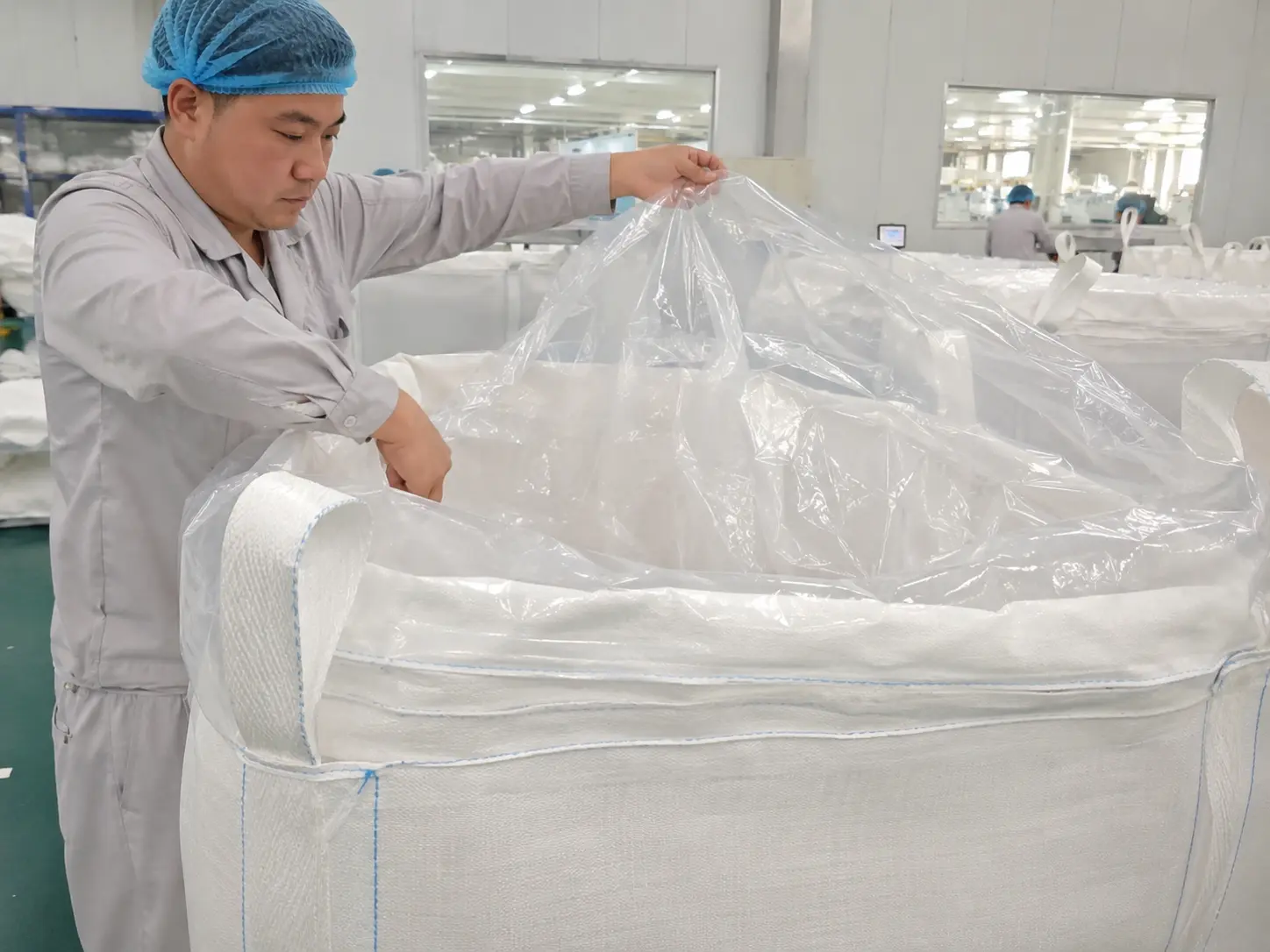
FIBC Liners Explained: PE Liner Types
A bulk bag liner isn't just loose-fit or form-fit — material, thickness, and sealing method each change what it actually protects against. Here's how to specify the right one.
Read guide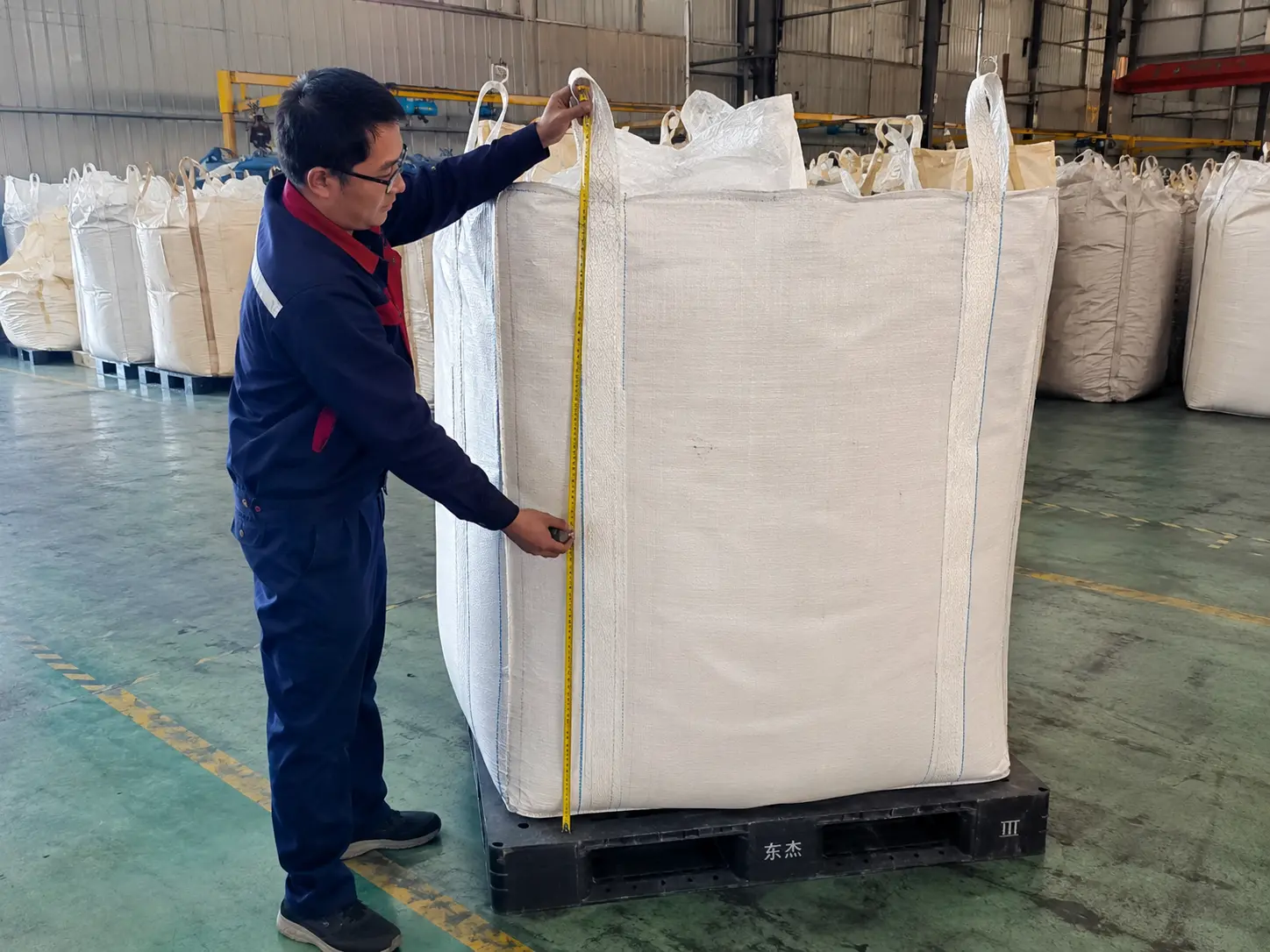
FIBC Loop Types: Cross Corner vs Side Seam vs Single Loop
Loop count and attachment style determine what lifting equipment can safely handle your bags. Here's how four-loop, two-loop, and single-loop configurations actually differ.
Read guide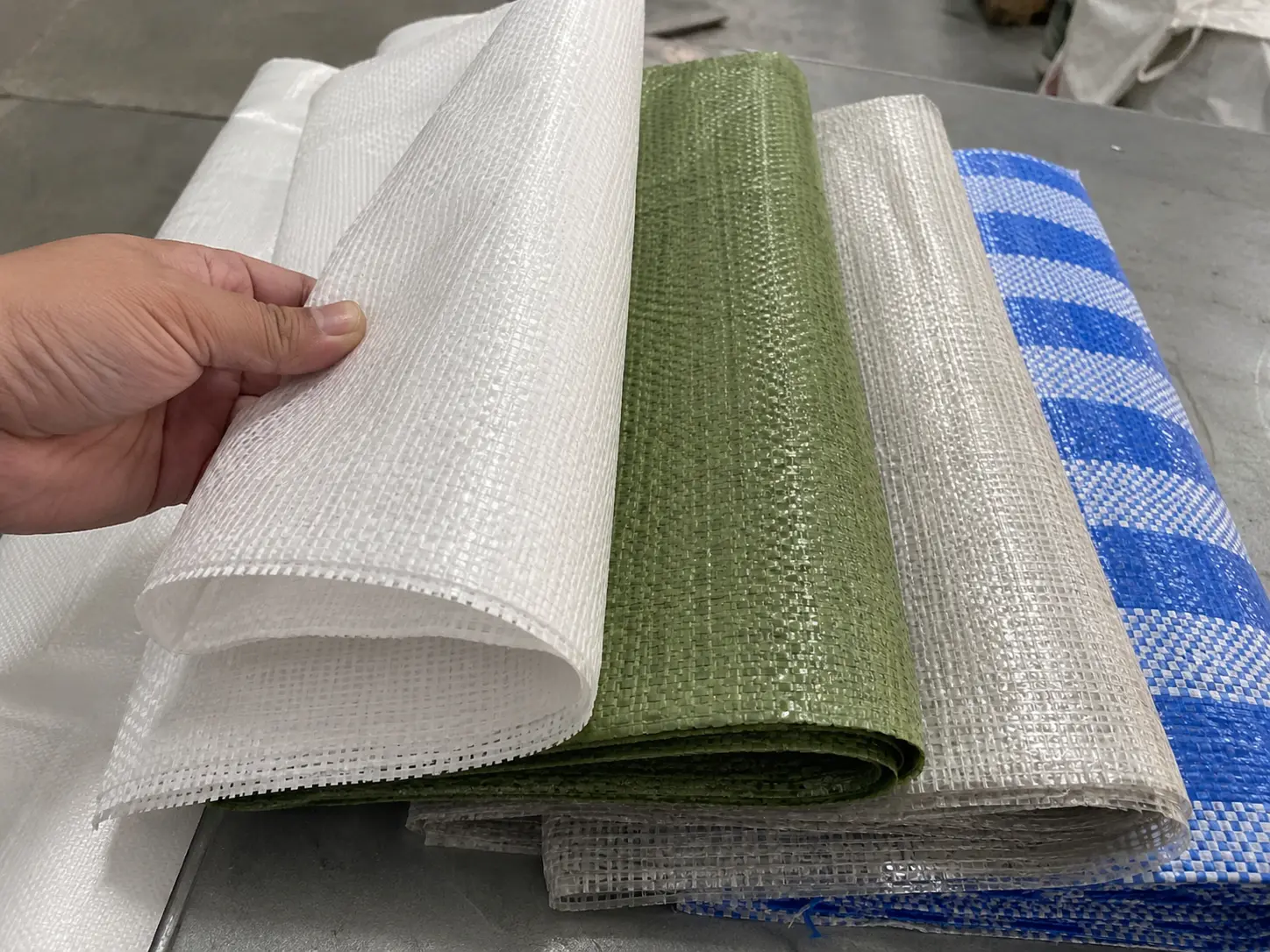
FIBC Safety Factor 5:1 vs 6:1
5:1 and 6:1 aren't arbitrary numbers — they're tested margins matched to single-trip and multi-trip use under ISO 21898:2024 and China's GB/T 10454-2025. Here's what each protocol actually verifies.
Read guide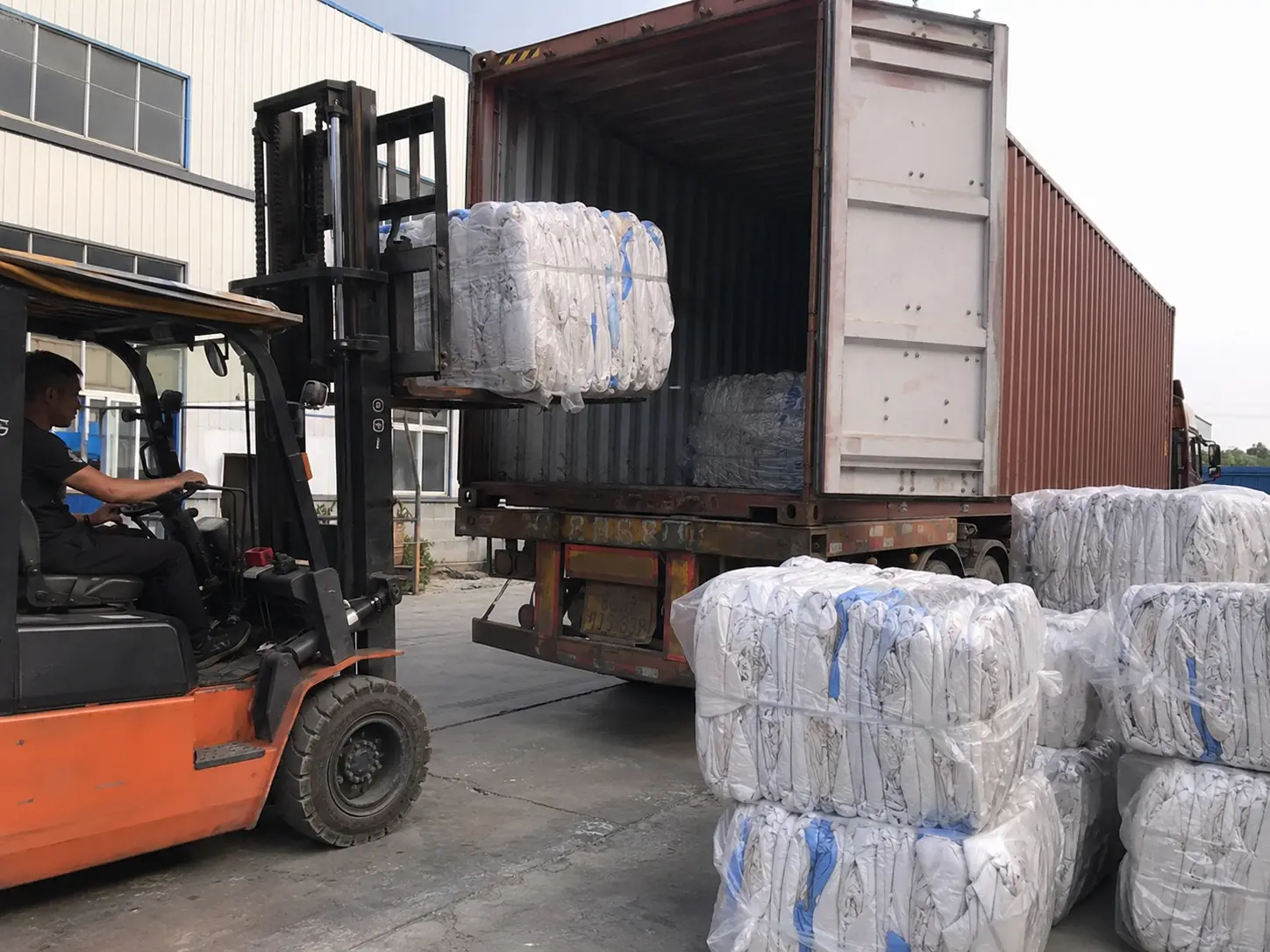
How Many Bulk Bags Fit in a 40ft Container?
There's no single answer — loading count depends on pallet vs floor loading, bag size, fabric thickness, and liner. Here's the reference point and the factors that move it.
Read guideHow to Import Bulk Bags from China: MOQ, Lead Time & Shipping
Importing FIBC bulk bags from China means navigating MOQ, production lead time, freight terms and payment structure. Here's the framework, not just a price.
Read guide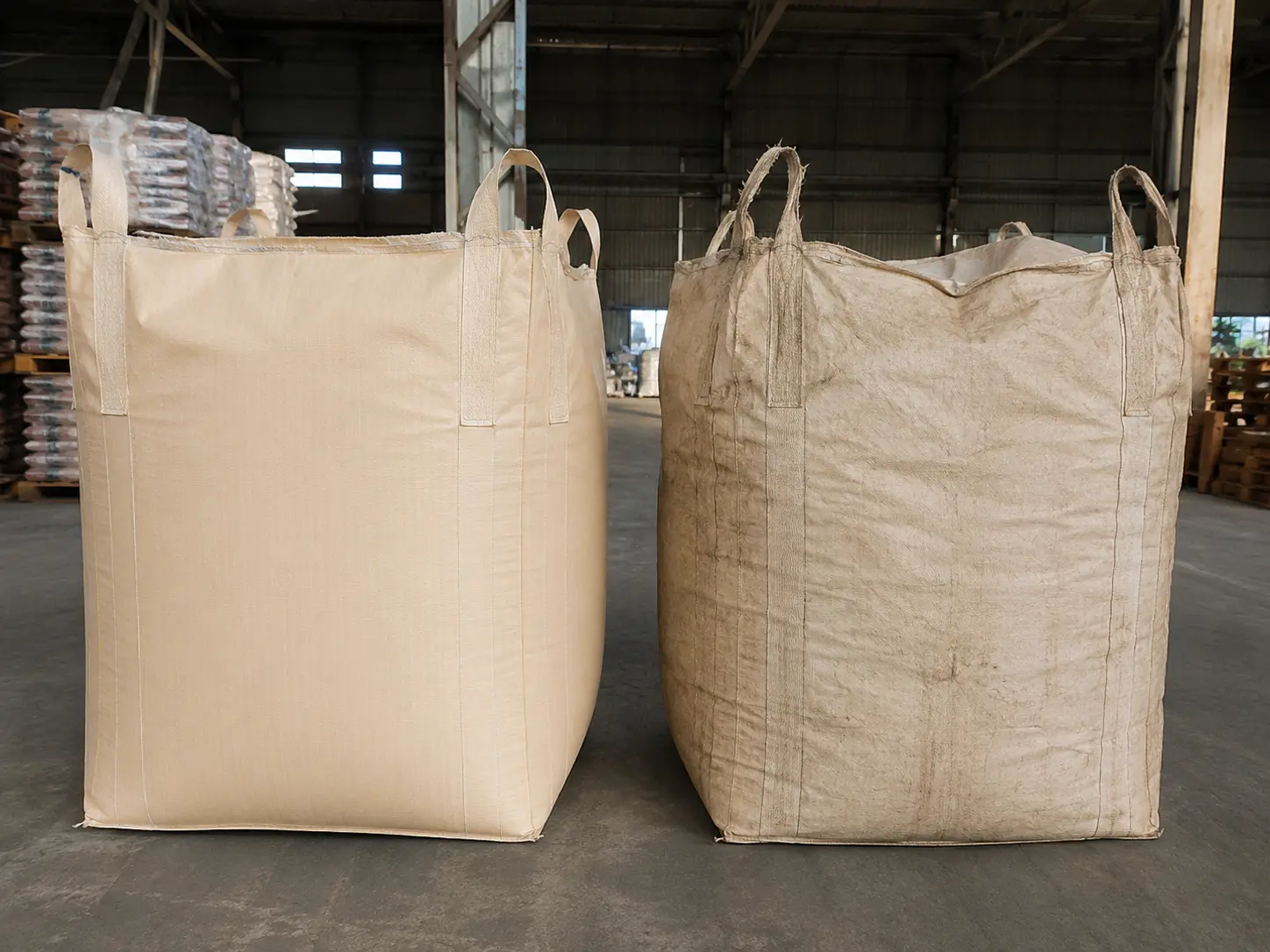
New vs Used Bulk Bags: Risks and Real Savings
Used FIBC bags cost less upfront but carry unknown load history and contamination risk. The real savings usually come from buying new multi-trip bags, not secondhand ones.
Read guide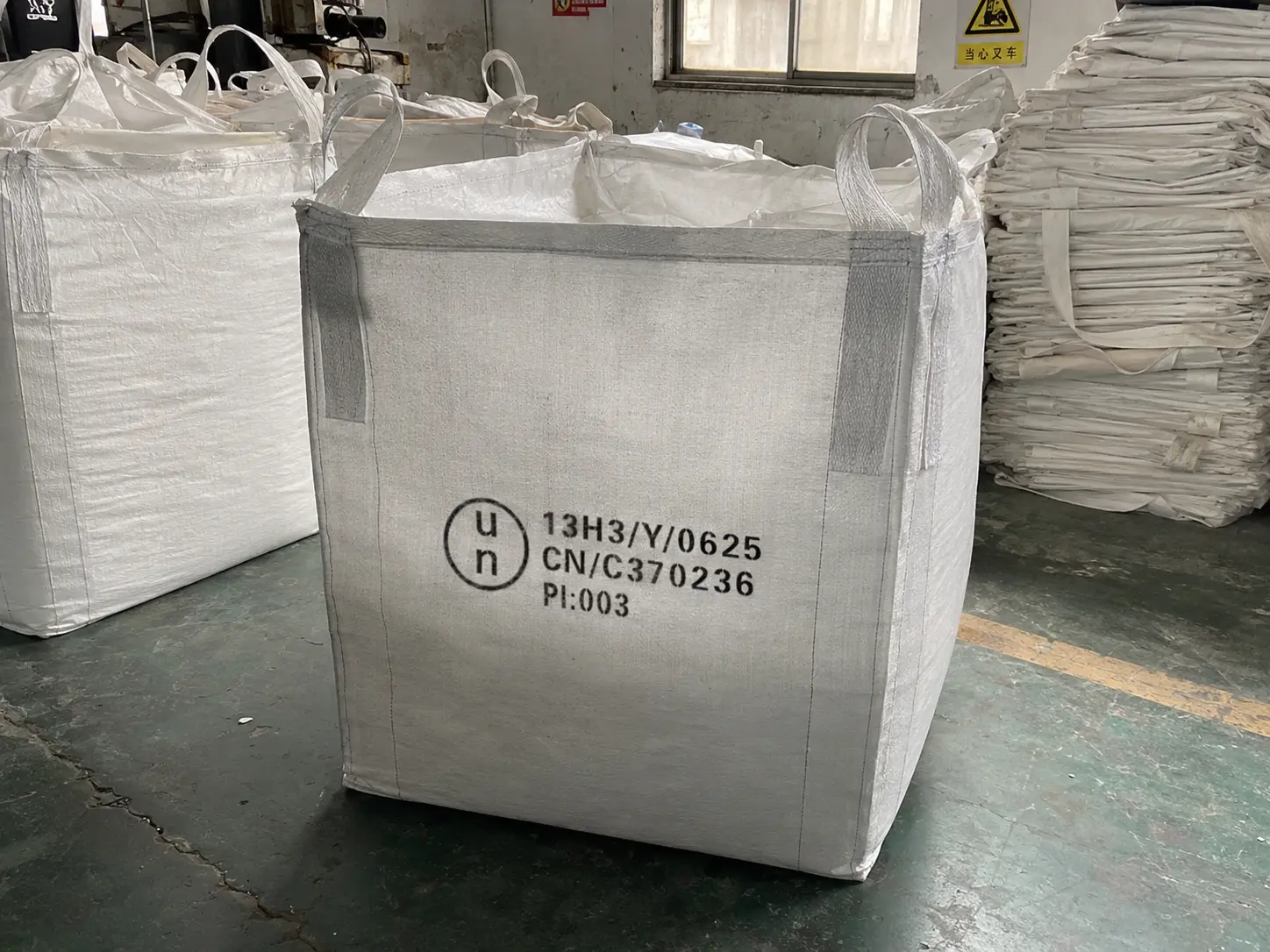
UN Certified FIBC Bags: 13H1–13H4 Marking Codes Explained
13H1 through 13H4 each describe a specific FIBC construction — coated or not, lined or not. Picking the wrong code means shipping packaging that doesn't match what's actually in the bag.
Read guide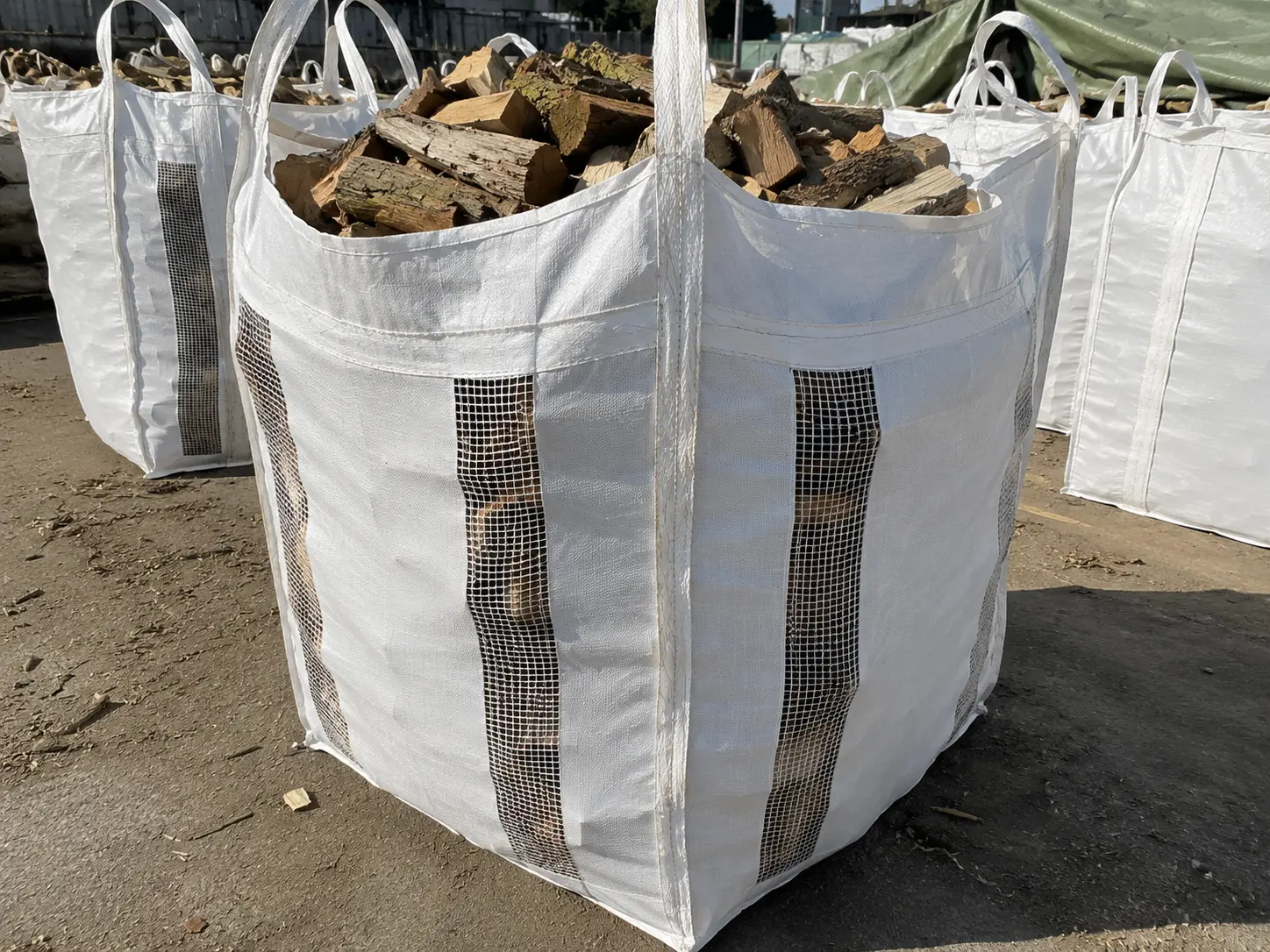
Ventilated Bulk Bags for Firewood & Agriculture
Firewood, onions, and potatoes need airflow more than sealing — open-weave ventilated bags prevent the rot and mold that a solid-fabric bag would trap in. Here's how to spec one right.
Read guideWhere to Buy Bulk Bags: Distributor vs Factory-Direct
A distributor gets you bags this week at a higher unit price; a factory sells lower per-bag but asks for more lead time and volume. Here's the full tradeoff, not just speed vs price.
Read guide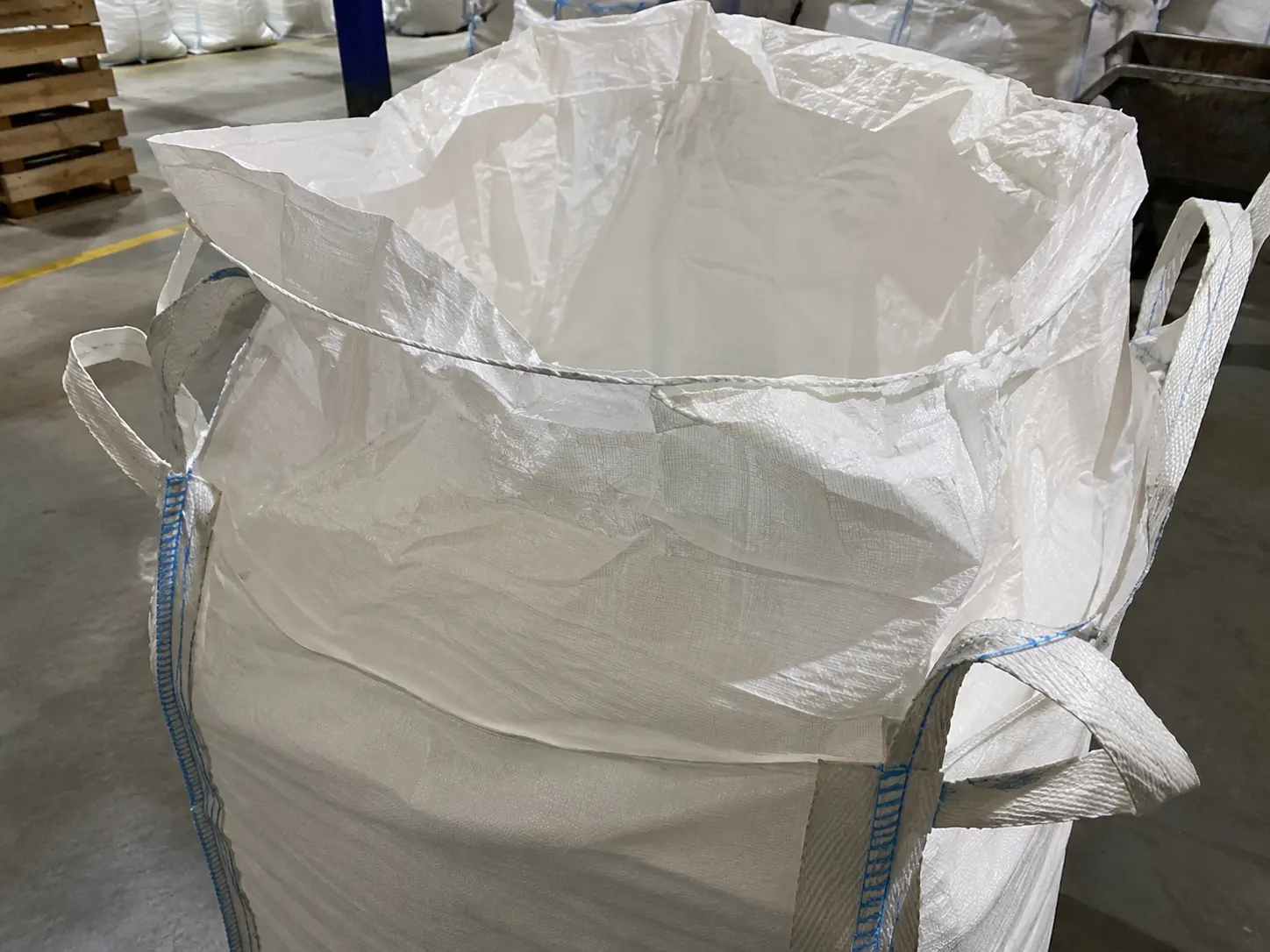
Duffle Top vs Spout Top vs Open Top: FIBC Filling & Discharge Options
FIBC top and bottom styles are chosen independently — duffle, spout, or open top for filling; spout or flat bottom for discharge. Here's how to match each to your equipment.
Read guide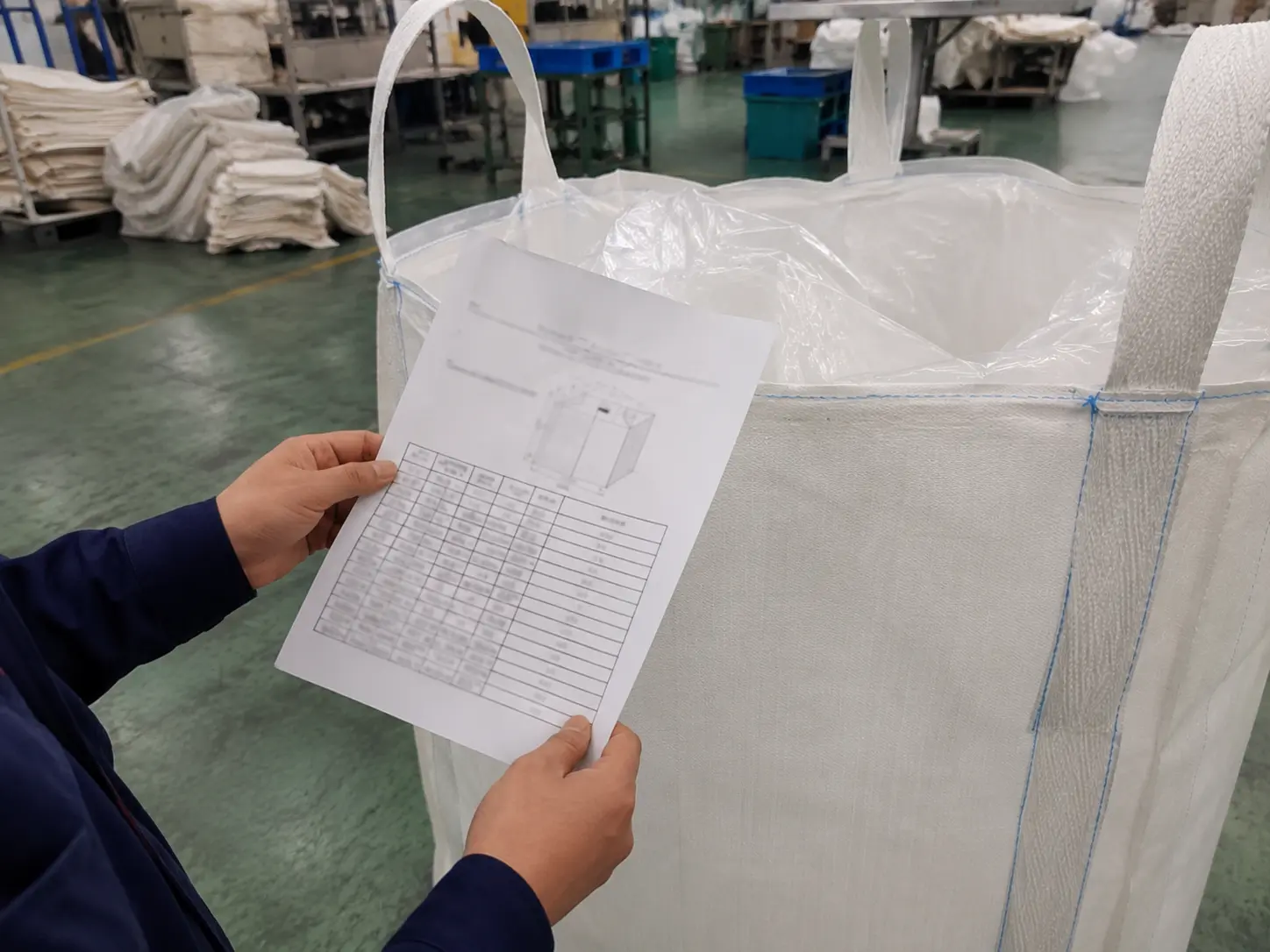
FIBC Specifications: How to Read a Bulk Bag Spec Sheet
A bulk bag spec sheet has eight fields that actually matter — capacity, fabric weight, safety factor, static class, liner, certification, fill/discharge style and loop type. Here's what each one controls.
Read guideFood Grade Bulk Bags: FDA Requirements Explained
A food grade bulk bag is defined by its production environment and liner material, not by a label. Here's what actually makes an FIBC suitable for food, feed, or pharmaceutical ingredients.
Read guide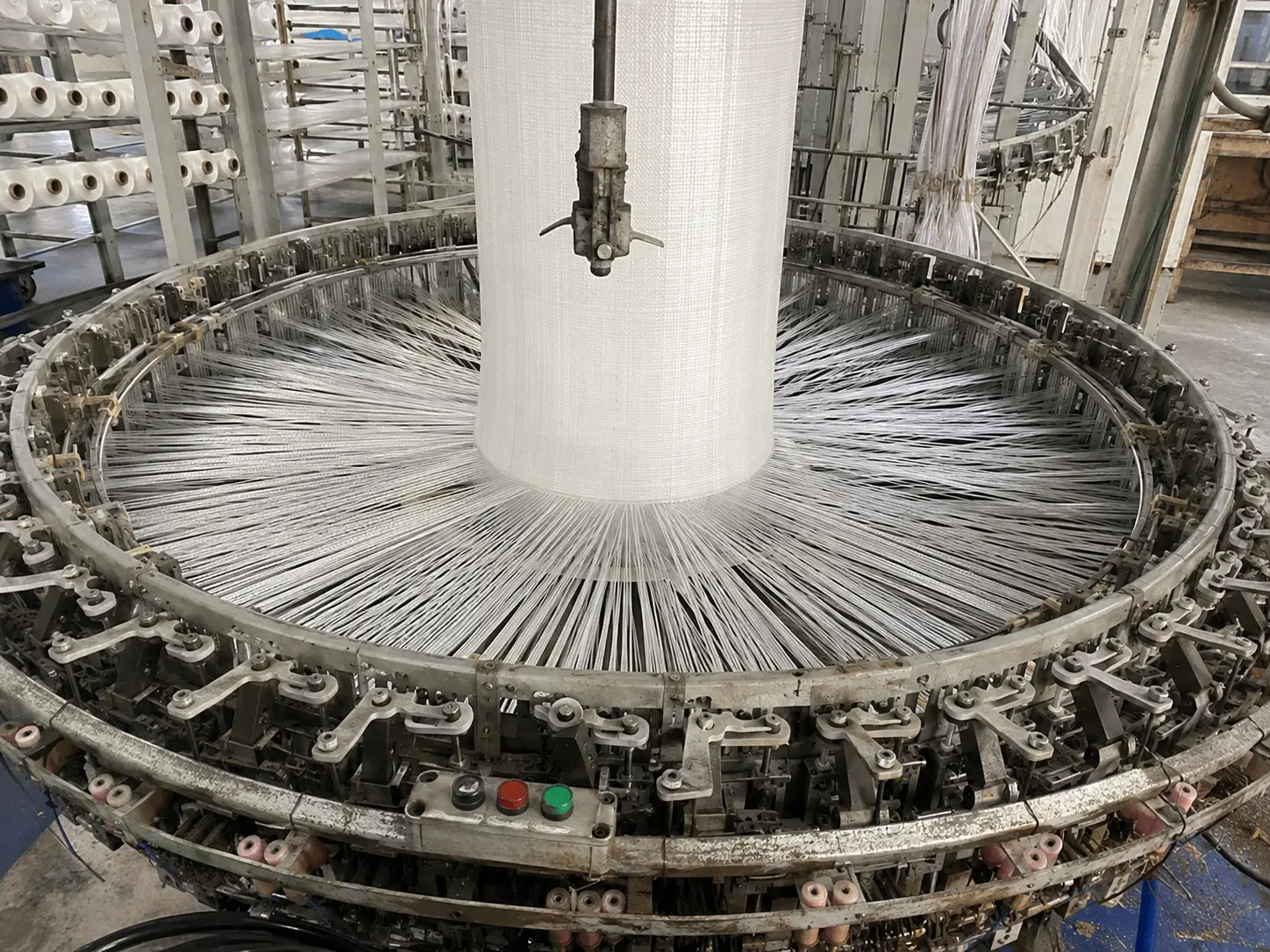
How Are FIBC Bags Manufactured? Step-by-Step Process Explained
From PP resin to a finished bulk bag: extrusion, circular loom weaving, cutting, reinforced sewing, quality testing and batch-traceable packing. Here's what happens at each stage.
Read guideWhat Is a Super Sack? FIBC vs Bulk Bag vs Super Sack vs Jumbo Bag
Super sack, FIBC, bulk bag and jumbo bag all describe the same product. Here's where each term comes from and why suppliers use them differently by region.
Read guideWhat Is Woven Polypropylene?
Woven polypropylene is extruded PP tape woven on a circular loom into a strong, lightweight fabric — the material behind nearly every FIBC bulk bag. Here's how it's made and why it works.
Read guideBulk Bag Dimensions & Sizes Guide
The industry-standard FIBC runs about 90×90×110 cm and holds 500–3000 kg — but bulk density, not a fixed chart, is what actually determines the right size for your product.
Read guide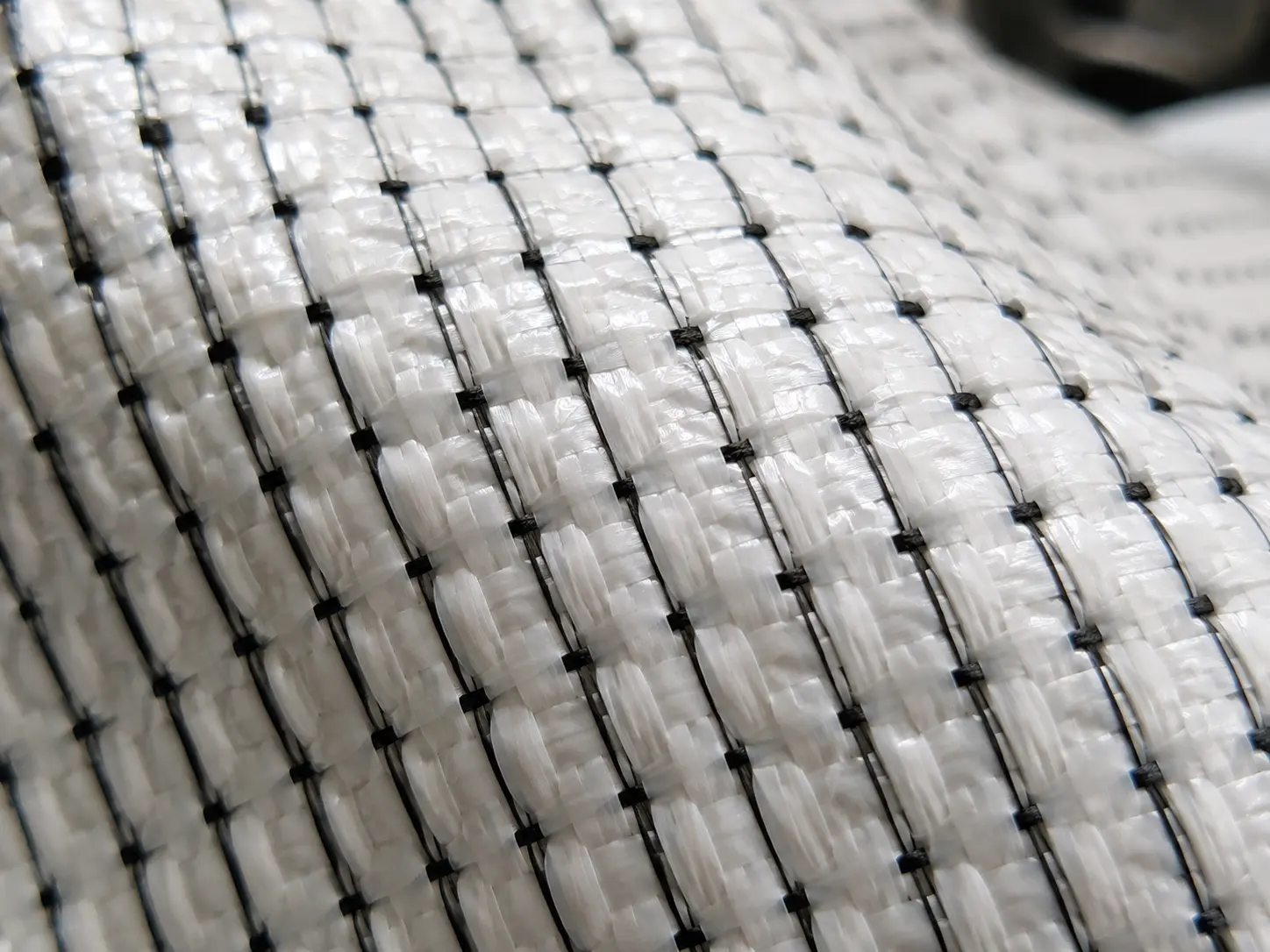
Type A vs B vs C vs D FIBC: Static Protection Guide
Static protection type depends on what's near the bag when it's filled — not on price. Here's how to match Type A, B, C or D to your product's actual ignition risk.
Read guide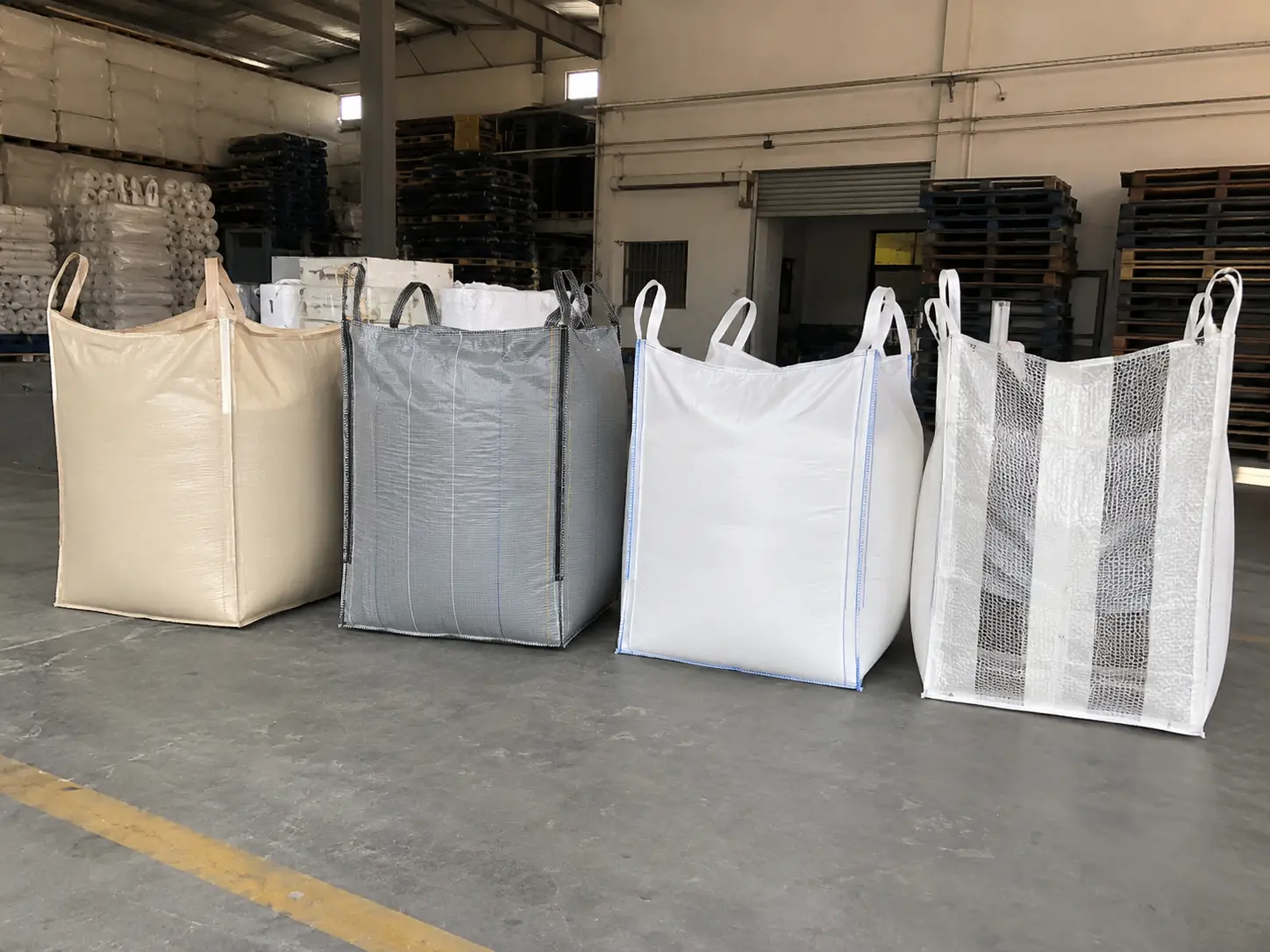
Types of FIBC Bags Explained: A/B/C/D, Baffle, Food Grade & More
Six FIBC bag types cover nearly every bulk product: standard, four anti-static classes, food grade, UN certified, baffle and ventilated. Here's how to pick the right one.
Read guide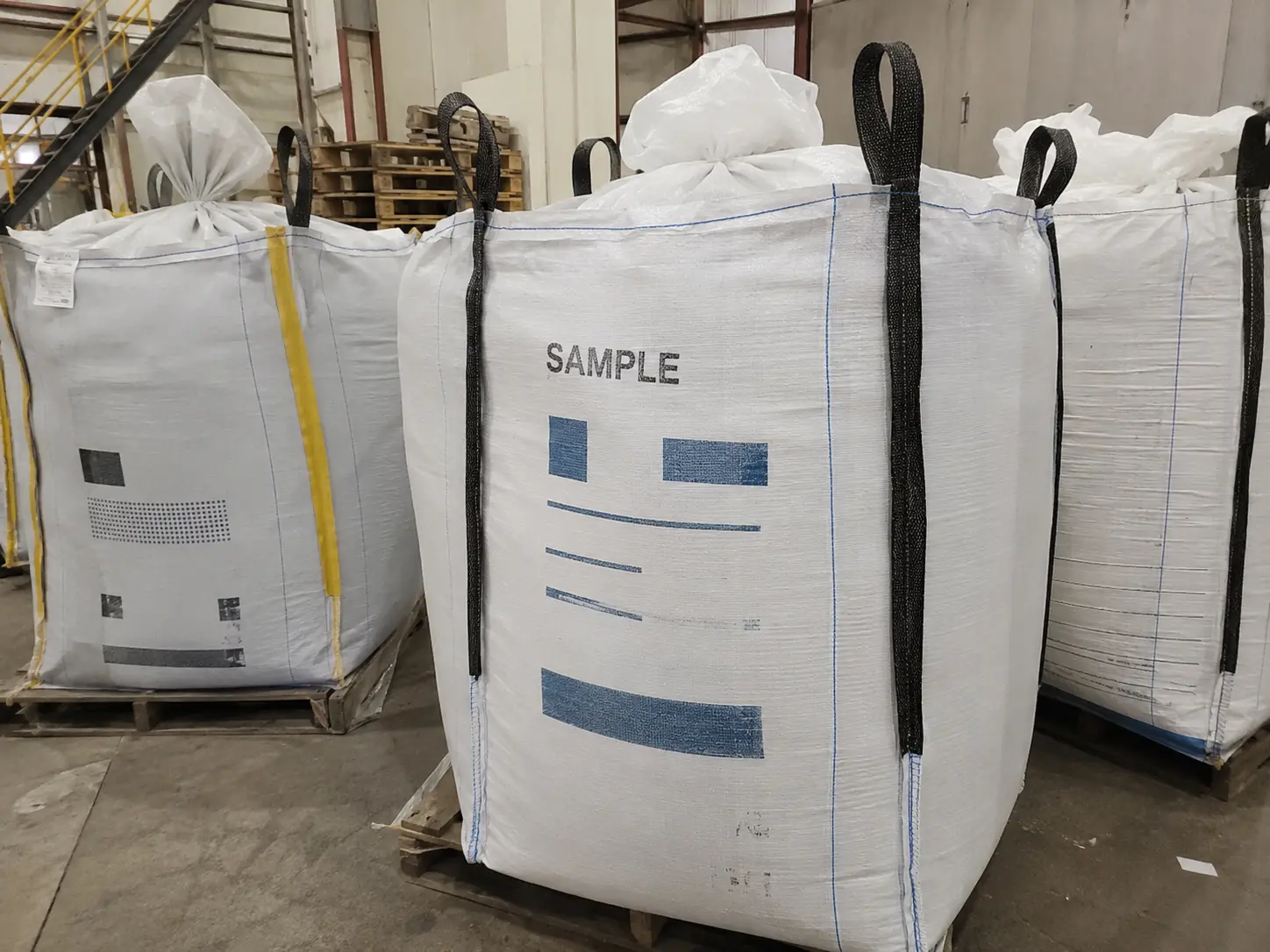
FIBC Bulk Bag Price Guide 2026: What Drives the Cost?
A basic FIBC and a certified, printed, lined bag of the same size can differ by 60% or more. Here's what actually drives FIBC bulk bag prices in 2026.
Read guideAbout This Hub
How often does PackTonne publish new FIBC guides?
We publish new buyer guides weekly, covering bag types, specifications, pricing and import logistics. This hub grows as our team answers real questions from importers.
Are these guides specific to PackTonne or general industry information?
Most content covers general FIBC industry standards and buying practices — useful whichever supplier you work with. Where we reference our own capabilities, we say so explicitly.
Can I ask about a topic that isn't covered here yet?
Yes. Send us your question directly and we will answer within 24 hours — and often turn recurring questions into a new guide.
Have a question these guides don't answer? Send us your question directly and we will answer within 24 hours.
Ask a Question