FIBC Safety Factor 5:1 vs 6:1
5:1 and 6:1 aren't arbitrary numbers — they're tested margins matched to single-trip and multi-trip use under ISO 21898:2024 and China's GB/T 10454-2025. Here's what each protocol actually verifies.
PackTonne Sourcing Desk · · 6 min read
5:1 and 6:1 aren’t arbitrary safety margins — they’re tested ratios matched to how many times a bag is expected to be loaded and lifted. A single-trip bag is tested to 5:1: built and verified to survive one full load cycle with a wide margin. A multi-trip bag is tested to 6:1 through a cyclic protocol that simulates repeated use. Choosing the wrong one either overpays for margin you don’t need, or risks a bag failing under reuse it was never tested for.
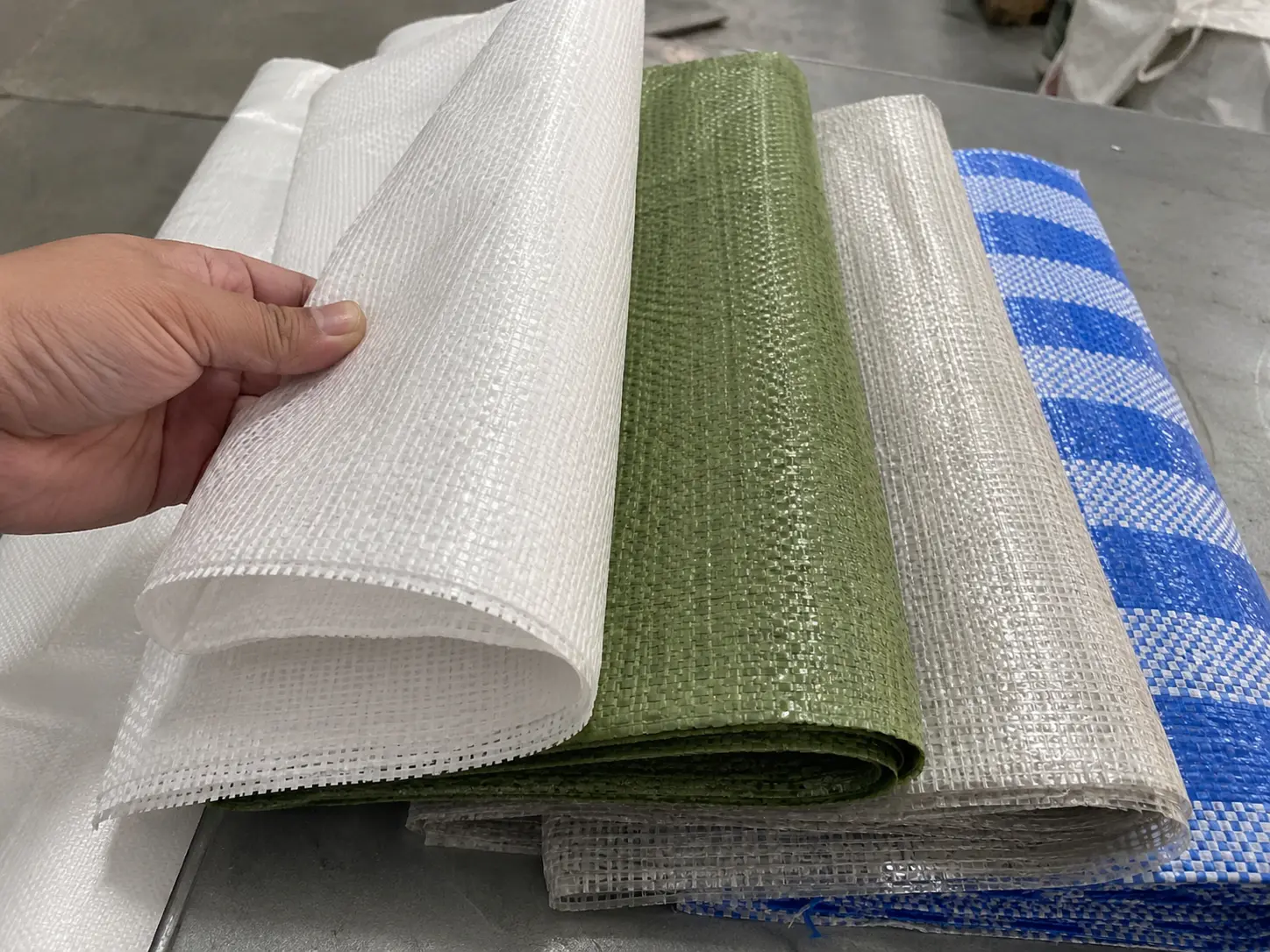
5:1 vs 6:1 at a Glance
| 5:1 (Single-Trip) | 6:1 (Multi-Trip) | |
|---|---|---|
| Test protocol | Load testing to a single-cycle standard | Cyclic top-lift: 30 cycles at 2x SWL, final cycle at 5x |
| Typical fabric weight | Lower for the same SWL | Higher, to withstand repeated cycles |
| Typical cost premium | Baseline | +10–20% over equivalent 5:1 bag |
| Governing standards | ISO 21898:2024, GB/T 10454-2025 | ISO 21898:2024, GB/T 10454-2025 |
| Reuse-appropriate | No — rated for one cycle only | Yes — designed and tested for repeated use |
For the basic relationship between SWL and safety factor, see our 1 ton bags guide — this article goes deeper into how the two ratios are actually tested and where the numbers come from.
Where 5:1 and 6:1 Come From
These ratios aren’t round numbers picked for convenience — they reflect testing data on how woven PP fabric and stitched seams behave under load, calibrated to give single-trip bags a wide safety margin against one-time handling stress, and multi-trip bags an additional margin to cover fatigue accumulated across many cycles. ISO 21898, the international standard most safety factor testing references, was revised in 2024 with updated stacking test duration and UV aging guidance layered onto these existing ratios — the core 5:1/6:1 split has held because testing continues to support it as the right threshold for the two use cases.
What 5:1 Testing Actually Verifies
Single-trip testing centers on the bag surviving one complete load cycle — fill, lift, transport, discharge — with a wide enough margin to absorb the dynamic stress of that one cycle, including uneven lifting and handling jolts. It doesn’t verify performance across repeated cycles, because a single-trip bag isn’t designed or expected to face them. This is why a 5:1 bag that passes every relevant test still isn’t a safe choice for a second or third load cycle — the testing simply never evaluated that scenario.
What 6:1 Testing Actually Verifies
Multi-trip testing under ISO 21898:2024 uses a cyclic top-lift protocol: 30 lift cycles at twice the safe working load, followed by one final cycle at five times SWL, with no seam splitting, loop failure, fabric tearing, or damage that would compromise further use. This cyclic structure exists because fatigue accumulates differently than single-event stress — a bag can pass a single hard pull test and still fail on a later cycle if the stitching or fabric degrades incrementally with each load. The 30-cycle protocol is specifically designed to surface that kind of gradual failure before the bag ever reaches a customer.
The Cost Difference Reflects Real Construction Changes
6:1 bags typically cost 10–20% more than an equivalent 5:1 bag, and that premium buys heavier fabric and denser stitching at the loops and base seams — the specific points that have to survive repeated cyclic stress. See our price guide for how safety factor stacks against other cost drivers like static protection and certification. The premium isn’t a certification fee — it’s the actual material and construction cost of building a bag that passes cyclic testing.
Using a 5:1 Bag for Multiple Trips Is a Real Risk, Not a Technicality
A 5:1 bag reused for a second or third load cycle is operating outside its tested conditions — its construction was never verified against cumulative fatigue, only against a single event. This isn’t a paperwork distinction: the specific failure modes cyclic testing catches — incremental stitching fatigue, seam stress accumulation — are exactly what a single-trip bag’s construction wasn’t built to resist. If you’re planning to reuse bags, specify 6:1 construction from the start rather than assuming a 5:1 bag will hold up.
GB/T 10454-2025 Formalizes the Distinction
China’s GB/T 10454-2025, effective March 2026, keeps the same 5:1 and 6:1 ratios but for the first time formally separates single-use and multi-use bag requirements in the national standard, aligning with ISO 21898:2024. It also adds provisions for recycled material content — requiring the same polymer to make up over 95% of the material — and strengthens static protection requirements, but the core safety factor numbers themselves remain unchanged from established practice.
Decision Checklist
- Are you planning one load cycle per bag, or multiple? That alone determines whether you need 5:1 or 6:1.
- Have you confirmed the safety factor is explicitly stated on your spec sheet or quote? Don’t assume it from price or fabric weight alone — see our spec sheet guide for the full checklist.
- Is the cost premium for 6:1 justified by your actual reuse plan? If you’re not genuinely reusing bags, 5:1 is the correct and more economical choice.
- Do you have documentation of cyclic top-lift testing for a 6:1 claim? Ask for it specifically, not just a general safety factor statement.
- Does your destination market require GB/T 10454-2025 or a specific certification tied to safety factor? Confirm before finalizing your order.
Before You Request a Quote
Tell us your load cycle plan and we’ll confirm the right safety factor:
- Single-trip or planned multi-trip use, and roughly how many cycles
- Target SWL and product bulk density
- Any destination market compliance requirements
- Whether you need cyclic top-lift test documentation
Request a quote and we’ll confirm 5:1 or 6:1 construction against your actual usage plan.
Common Questions
What's the actual difference between 5:1 and 6:1 safety factor testing?
5:1 bags are tested primarily against a single load cycle to failure, matching single-trip use. 6:1 bags go through a cyclic top-lift protocol — repeated lift cycles at multiples of the safe working load — because they need to survive many load cycles across their working life, not just one.
Why is 6:1 specifically one full point higher than 5:1, not more?
The extra margin is calibrated to cover the cumulative fatigue of repeated lifting and handling cycles a multi-trip bag experiences, based on testing data behind ISO 21898 and similar standards — not an arbitrary round number. It's the margin found to reliably predict multi-trip durability without excessive over-engineering.
Does China's new GB/T 10454-2025 change these safety factor numbers?
No — it keeps 5:1 for single-trip and 6:1 for multi-trip, consistent with ISO 21898:2024. What it adds is a clearer formal distinction between single-use and multi-use bag requirements, plus new provisions for recycled material content and static protection.
What happens if I use a 5:1 bag for multiple trips?
You're operating outside its tested and rated conditions. A 5:1 bag's construction and stitching aren't verified to survive the cumulative fatigue of repeated load cycles, so reuse risks failure that wouldn't show up in a single-trip pull test.
How much more does a 6:1 bag cost than a 5:1 bag?
Typically 10–20% more, driven by heavier fabric and denser stitching at the loops and seams needed to pass cyclic testing. Whether that premium is worth it depends entirely on whether you're actually planning multiple trips per bag.