Ventilated Bulk Bags
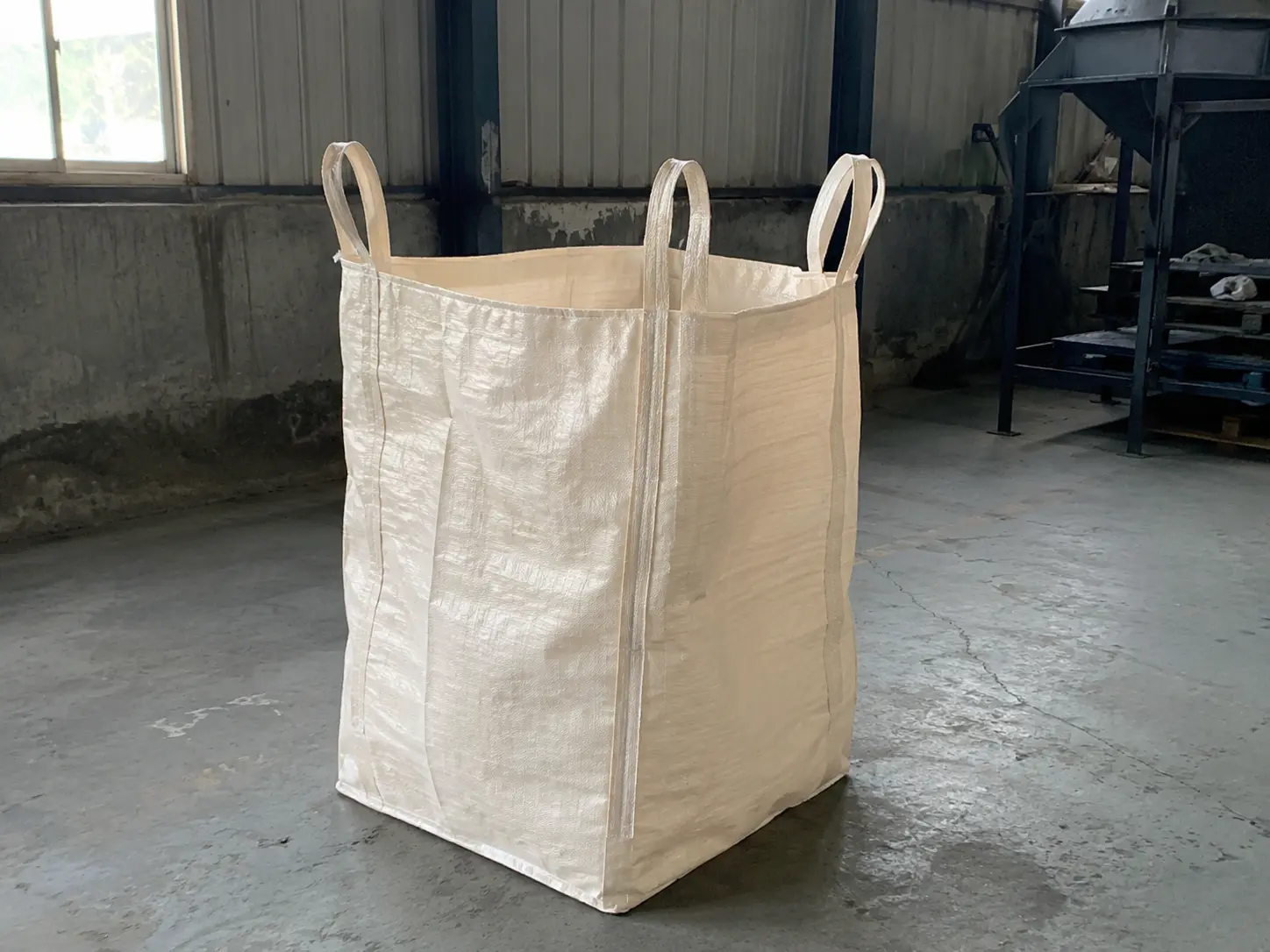
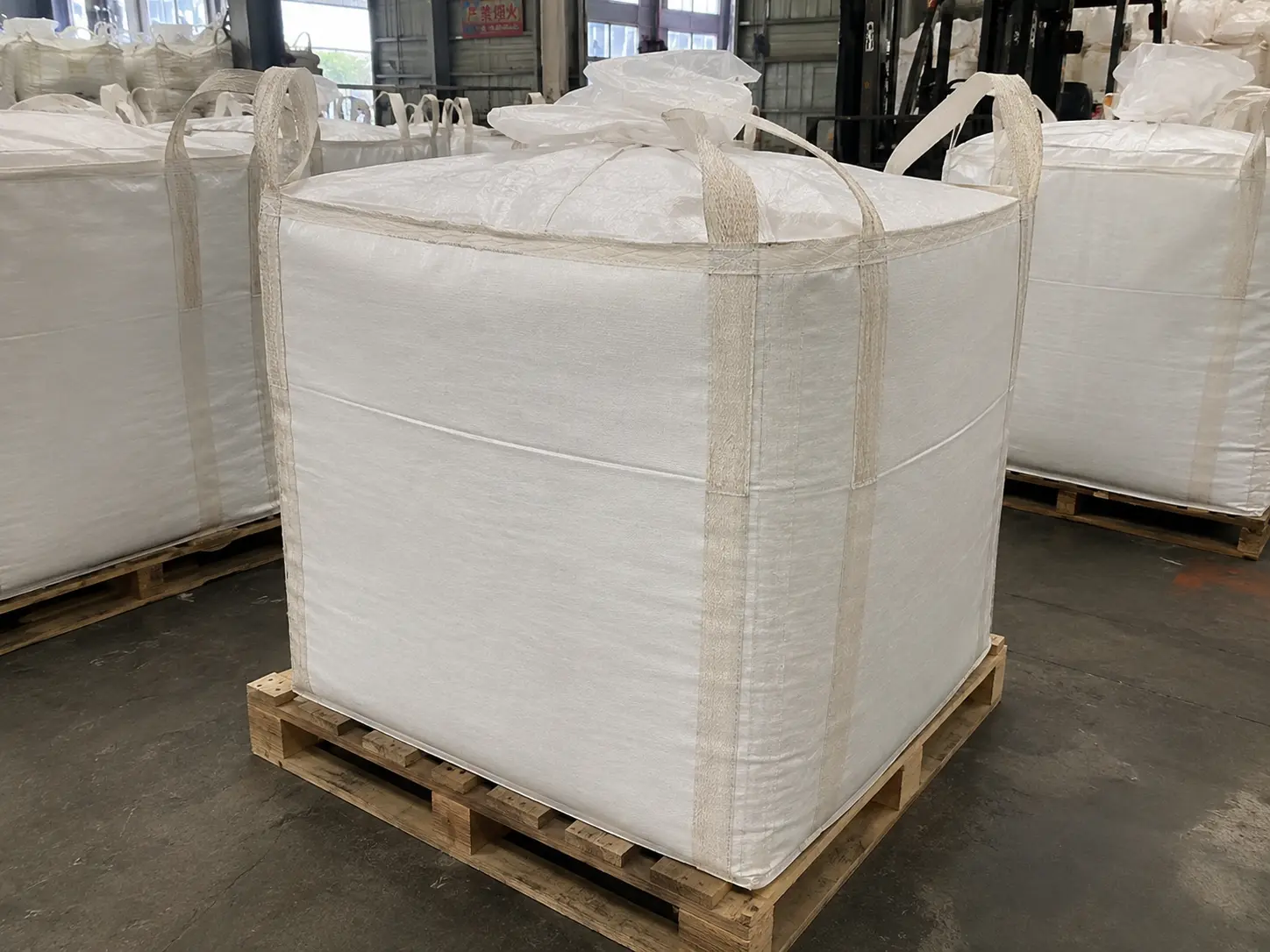
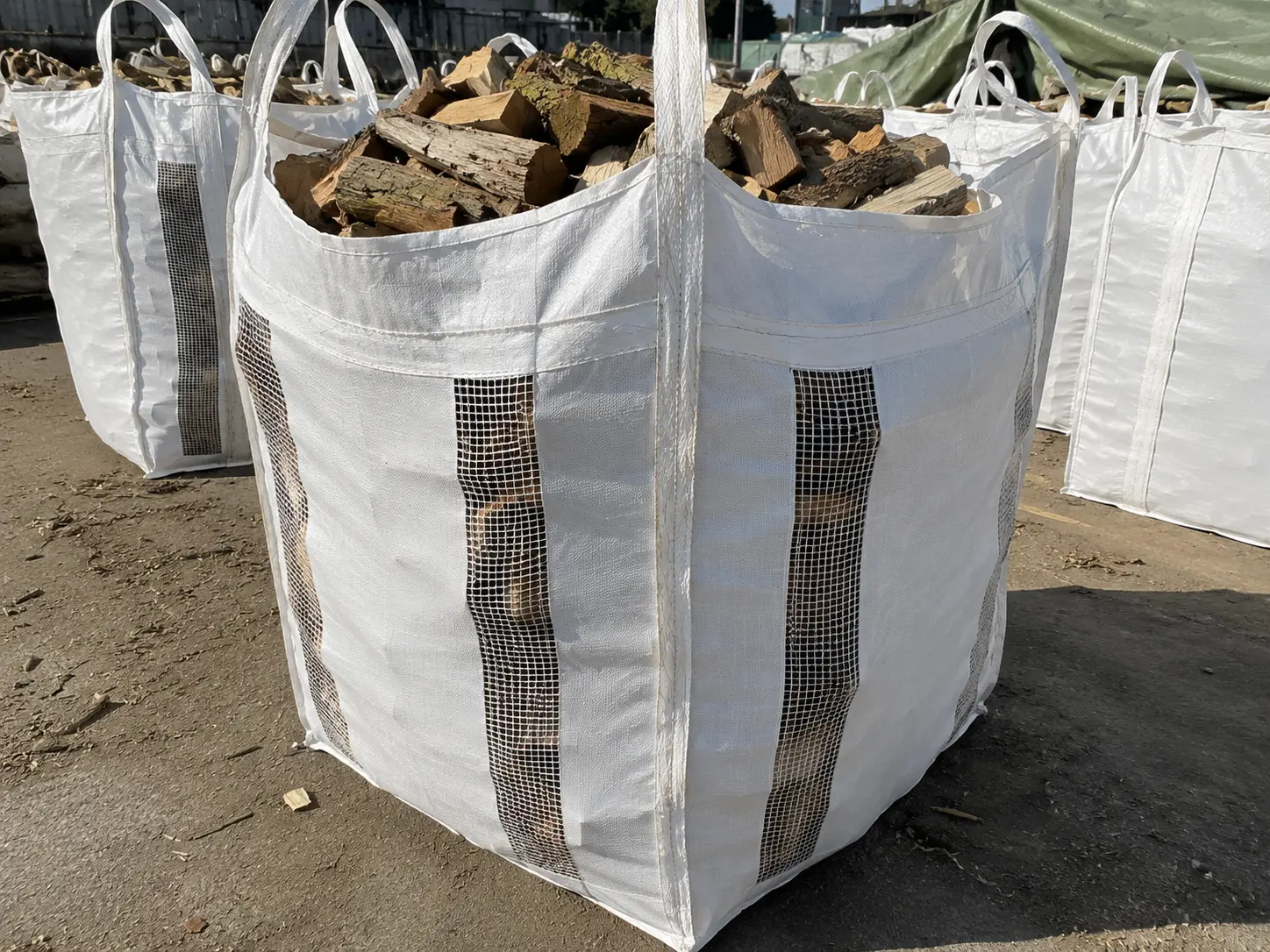
Ventilated bulk bags use woven fabric with breathable strips or mesh panels instead of solid fabric on all sides, letting air circulate through the load. This prevents moisture buildup and rot in products like firewood, onions and potatoes that need airflow during storage and transport, which a sealed standard FIBC cannot provide.
Spec Sheet
Best For
- Firewood and kindling
- Onions, potatoes and root vegetables
- Other produce requiring airflow to prevent spoilage
- Products with high moisture content during transport
Construction & Materials
Selected side panels are woven with an open, breathable weave or a mesh insert instead of solid fabric, positioned to maximize airflow through the load. Enough solid fabric is kept at stress points — corners, seams and loop attachments — to maintain the bag's rated safety factor, so ventilation is added without compromising lift strength. The vent-to-solid ratio is adjusted panel by panel depending on how much airflow your product needs versus how much containment you need to keep smaller items from sifting through.
Ventilated vs. Standard Type A
| Standard Type A | Ventilated | |
|---|---|---|
| Airflow | None — sealed | Yes, via mesh/vent panels |
| Moisture control | Traps moisture | Lets moisture escape |
| Weatherproofing | N/A | Airflow only, not waterproof |
| Best for | Dry, stable products | Firewood, produce, high-moisture goods |
What You Can Change
- Vent coverage from 2 to 4 side panels
- Mesh density tuned to product size — fine for produce, open for firewood
- Combine with standard loops and discharge options
- Custom dimensions for firewood bundles or produce crates
What This Bag Is Tested To
- ISO 21898:2024 structural testing baseline (mesh sections excluded from load-bearing calculation)
From Our Sourcing Desk
Mesh or vent-strip coverage is a trade-off between airflow and dust/insect containment — more open mesh means better airflow but less protection during outdoor storage. Tell us your storage conditions (covered warehouse vs. open yard) so we can recommend the right vent ratio instead of defaulting to a standard percentage.
Common Questions
What products need a ventilated bulk bag?
Ventilated bulk bags are used for firewood, onions, potatoes and other products that generate moisture or need airflow during storage and transport. A sealed standard bag traps moisture and accelerates rot or mold.
How much of the bag surface is ventilated?
This depends on your specification — ventilated strips typically cover 2 to 4 side panels, balancing airflow against load containment. Tell us your product and we will recommend the right ratio.
Can ventilated bags still carry a full 1-ton load?
Yes. Ventilated bags are built to the same safety factor standards (5:1 or 6:1) as standard FIBCs — the breathable strips do not reduce load capacity when properly engineered.
Do ventilated bags protect against rain or only airflow?
Standard vented mesh is designed for airflow, not waterproofing — it will not keep out driving rain. For outdoor storage in wet climates, discuss a covered or partially vented design with our team.