How to Import Bulk Bags from China: MOQ, Lead Time & Shipping
Importing FIBC bulk bags from China means navigating MOQ, production lead time, freight terms and payment structure. Here's the framework, not just a price.
PackTonne Sourcing Desk · · 7 min read
Importing FIBC bulk bags from China runs through four decisions: minimum order quantity, production lead time, freight terms, and payment structure. None of these are fixed numbers — they move with your spec, customization level, and the factory’s current backlog. This guide gives you the framework to ask the right questions, instead of a single price that won’t hold up once you get a real quote. If you haven’t already, our price guide covers the cost side of the same decision in more depth.
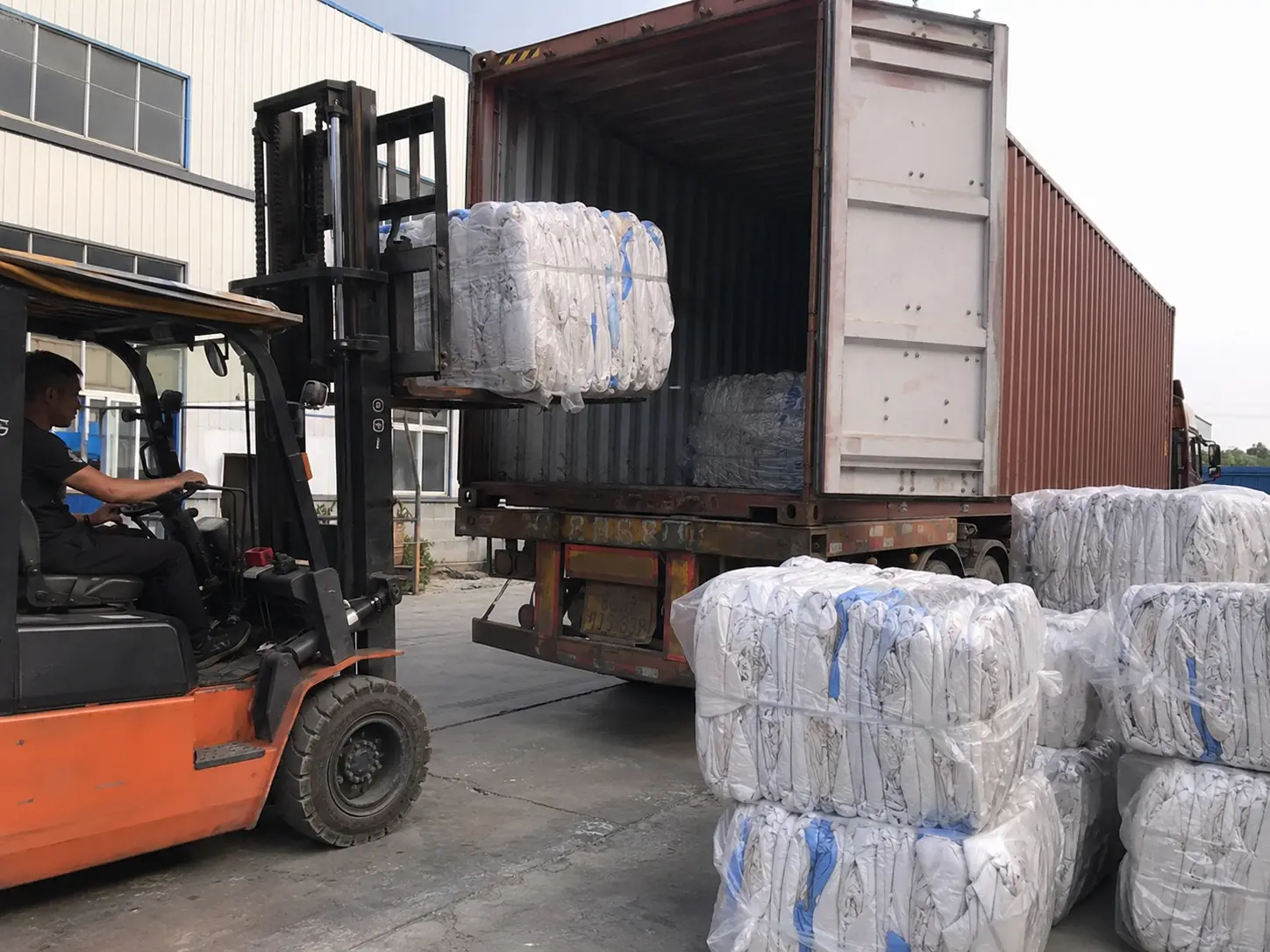
The Import Decision Framework
| Factor | What drives it | What to ask |
|---|---|---|
| MOQ | Customization level, fabric spec, printing | Does this MOQ apply to my exact spec, or a generic bag? |
| Lead time | Production complexity, current factory backlog | What’s the lead time for my spec at my quantity, today? |
| Freight terms | Who arranges shipping, and where cost is bundled | FOB, CIF, or DDP — which fits my freight forwarder relationship? |
| Payment terms | Supplier’s standard structure, order size | What’s the deposit percentage, and when is the balance due? |
MOQ Depends on Your Spec, Not a Universal Number
Minimum order quantity moves with customization — a plain Type A bag in a standard size typically has a lower MOQ than a printed, certified, or unusually sized bag, because custom runs carry setup costs that need to be spread across more units. Don’t take a quoted MOQ from one spec and assume it applies to a different one; ask specifically against the bag you actually need.
Lead Time Has More Variables Than a Single Number Suggests
Production lead time depends on how far your spec is from a factory’s standard run, plus whatever else is already in their production queue. A standard bag in a common size moves faster than a custom-printed, UN certified, or unusually dimensioned order, because certification testing and print setup both add steps before the bags reach packing. Ask for a lead time quote at the point you request pricing — not a number from a previous order or a different supplier, since backlog changes.
FOB vs CIF vs DDP: What You’re Actually Comparing
These three terms describe where the price stops, not the actual manufacturing cost of the bag:
- FOB (Free on Board): Covers the goods to the origin port. You arrange and pay for ocean freight, insurance, and destination handling separately.
- CIF (Cost, Insurance, Freight): Bundles freight and insurance into one number, landing at your destination port. Easier to budget, harder to audit line by line.
- DDP (Delivered Duty Paid): Goes furthest — duties and destination delivery included, so the quoted number is close to your true landed cost.
First-time importers often start with CIF or DDP for simplicity, then move to FOB once they’ve built a relationship with a freight forwarder and want more control over shipping costs.
Payment Terms: The Common Industry Structure
A widely used structure is a deposit — commonly around 30% — paid to start production, with the remaining balance due against a copy of the bill of lading before the shipment clears at destination. This isn’t universal; some suppliers adjust the split based on order size or an established relationship. Get the exact percentages and payment triggers in writing before production starts, not assumed from general industry habit.
Why Buyers Choose to Import Directly
A local distributor sells FIBC bags out of existing inventory, which means faster fulfillment on standard stock but limited ability to customize spec, fabric weight, or certification without a markup for special-order handling. Importing directly from a factory trades that speed for control — you specify the exact bag, negotiate pricing at the factory level rather than through a reseller margin, and can scale order size without hitting a distributor’s shelf inventory limits. The tradeoff is lead time: direct import means waiting for production and ocean freight instead of picking up stock next week. For recurring, predictable volume, direct import usually wins on cost; for urgent or one-off small orders, a distributor’s existing stock may be the faster answer.
Documentation and Customs Basics
Standard import paperwork applies to FIBC shipments: commercial invoice, packing list, bill of lading, and the correct HS code for customs classification at your destination. UN certified bags need their certification documentation to travel with the shipment; food grade bags may need liner material compliance records depending on your destination market’s requirements. Confirm exactly what your destination country requires before the shipment leaves port — documentation gaps cause customs delays more often than product quality issues do.
Batch-level labeling on the bags themselves — production date, batch number, factory reference — supports this paperwork trail rather than replacing it. If a customs question or a quality dispute comes up after arrival, being able to trace a specific pallet back to its batch record is what actually resolves it, not the shipment’s overall documentation alone.
Common Mistakes First-Time Importers Make
- Assuming a quoted MOQ or lead time from one supplier applies universally. Both numbers move with your specific spec.
- Choosing DDP or CIF without understanding what’s bundled. A lower-looking headline price can hide a worse freight rate inside it.
- Skipping the deposit terms in writing. Verbal agreement on payment structure isn’t something you can reference if a dispute comes up later.
- Not confirming certification documentation before shipping. A UN certified or food grade order missing paperwork can be delayed at customs regardless of product quality.
- Comparing quotes from different Incoterms as if they were the same number. An FOB quote and a DDP quote for the “same” bag aren’t directly comparable without adjusting for what each one includes.
Decision Checklist
- Have you confirmed MOQ against your exact spec, not a generic quote?
- Do you have a lead time confirmed for your quantity today, not an old reference?
- Have you chosen FOB, CIF, or DDP based on your own freight forwarder relationship, not just the lowest headline number?
- Are deposit and balance payment terms in writing?
- Do you know what certification or compliance documentation your destination requires?
Before You Request a Quote
Send us these details and we’ll confirm MOQ, lead time, and freight terms against your actual order:
- Bag spec — capacity, fabric weight, static class, certification needs
- Target order quantity
- Preferred Incoterm (FOB, CIF, or DDP)
- Destination port and country
- Any printing or custom branding requirements
Request a quote with these details and we’ll give you real numbers for your order, not industry averages.
Common Questions
What is a typical MOQ for FIBC bulk bags from China?
MOQ varies by factory and customization level, but often starts in the range of 500 to 2000 pieces for a standard bag, higher for custom printing or certified construction. Always confirm MOQ against your exact spec — a plain Type A bag and a printed, certified bag from the same factory can have very different minimums.
How long does FIBC production take from a Chinese factory?
Production lead time commonly runs a few weeks for standard bags, longer for custom specifications, printing, or certification testing. Ask for a lead time quote against your specific order rather than assuming a fixed number — customization and current factory backlog both move the timeline.
What's the difference between FOB, CIF and DDP pricing?
FOB covers the goods to the origin port only, and you arrange freight separately. CIF folds freight and insurance into one number. DDP goes further and includes duties, so the price you see is close to the final landed cost. First-time importers often start with CIF for simplicity, then move to FOB once they have a reliable freight forwarder.
What payment terms are standard for FIBC orders from China?
A common industry structure is a deposit — often around 30% — paid to start production, with the balance paid against a copy of the bill of lading before the goods clear at destination. Exact terms vary by supplier and order size, so confirm this in writing before production starts.
Do I need any special documentation to import FIBC bags?
Standard import documentation applies — commercial invoice, packing list, bill of lading, and the correct HS code for customs classification. UN certified or food grade bags need additional certification documents; confirm what your specific product and destination country require before shipping.