Type A vs B vs C vs D FIBC: Static Protection Guide
Static protection type depends on what's near the bag when it's filled — not on price. Here's how to match Type A, B, C or D to your product's actual ignition risk.
PackTonne Sourcing Desk · · 7 min read
Static protection type depends on what’s near the bag during filling and discharge — flammable dust, solvent vapor, or nothing combustible at all — not on price or how the bag looks. Type A has no protection. Type B limits breakdown voltage without grounding. Type C uses conductive threads and must be grounded every cycle. Type D dissipates static without a grounding connection. Picking the wrong one either wastes money or leaves a real ignition risk unmanaged. This guide goes deeper into the static classes than our general types of FIBC bags overview — if you haven’t settled on a static class yet, start here first.
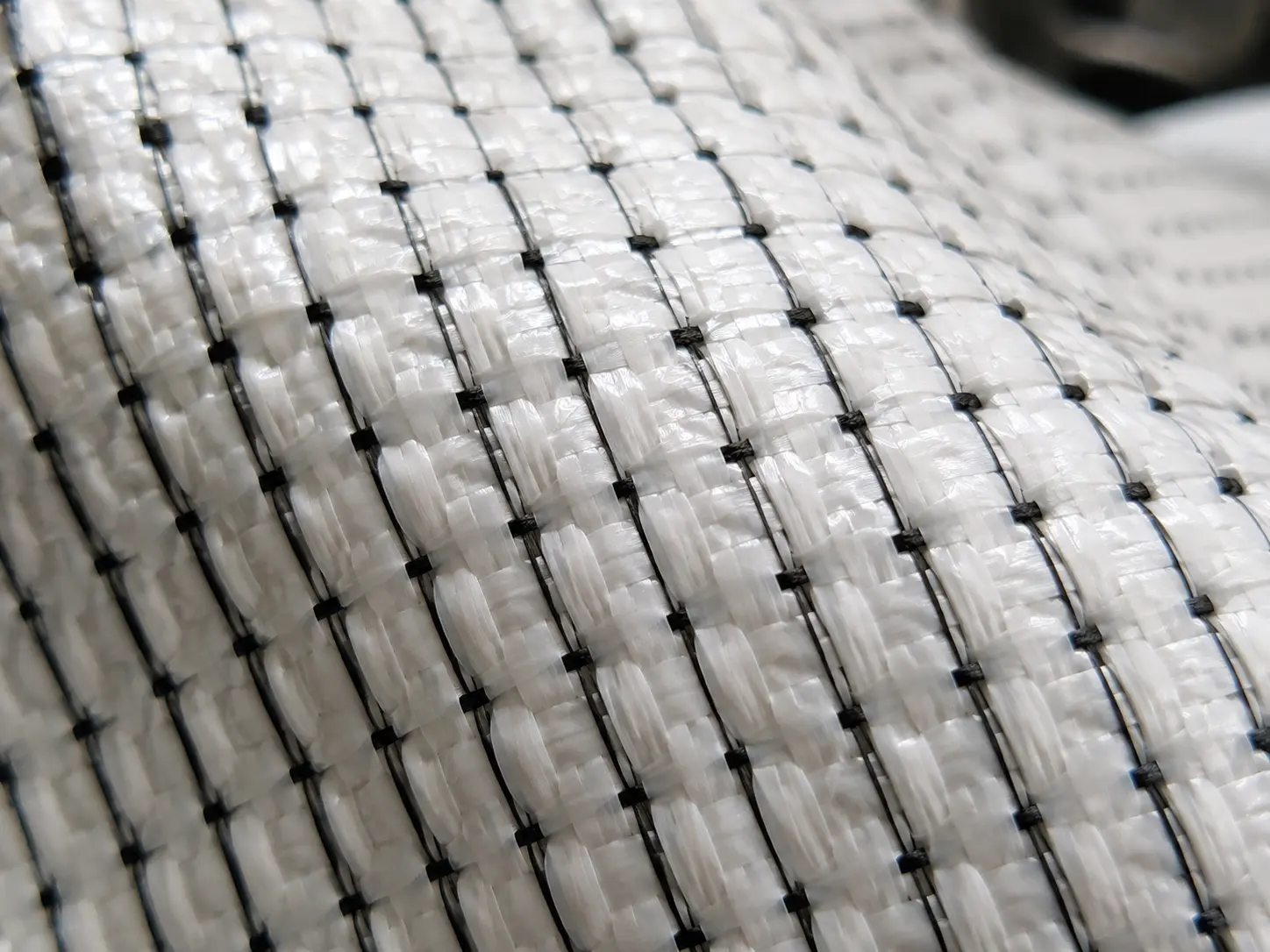
Type A–D Compared
| Type A | Type B | Type C | Type D | |
|---|---|---|---|---|
| Fabric | Standard woven PP | Woven PP, breakdown voltage <6kV | PP + interconnected conductive threads | PP + static dissipative threads |
| Grounding required | No | No | Yes, mandatory | No |
| Suited to combustible powder (MIE >3mJ) | No | Yes | Yes | Yes |
| Suited to flammable gas/vapor | No | No | Yes, if grounded | Limited |
| Typical use | Sand, minerals, non-combustible fertilizer | Dry combustible powder, no solvent nearby | Chemical plants, solvent environments | Sites where grounding can’t be guaranteed |
| Test standard | — | IEC 61340-4-4 | IEC 61340-4-4 | IEC 61340-4-4 |
Why This Choice Isn’t About Bag Quality
The letter grade is a match to your ignition risk, not a ranking of how well the bag is built. A well-made Type A bag with heavy fabric and reinforced stitching is a better bag by construction standards than a poorly stitched Type C — it’s just the wrong static class for a flammable powder. Get the classification right first; construction quality is a separate question you check through GSM, safety factor and stitching, not through the letter.
This trips up buyers moving from a general packaging supplier to an FIBC-specific one for the first time: a “premium” or “heavy-duty” bag advertised without a static class number attached usually means Type A with thicker fabric, not any actual anti-static protection. Always ask for the class by letter and the test standard, not for a marketing description.
Type A: No Protection, No Need
Type A fits any product that can’t ignite from static discharge — sand, gravel, non-combustible minerals, most granular fertilizers. There’s nothing to protect against, so there’s no reason to pay for conductive threads or controlled resin. Type A standard bags are the lowest-cost option in the lineup for exactly this reason: the fabric only has to meet load and abrasion requirements, not electrical ones.
The edge case worth checking before defaulting to Type A: some products that look inert — certain organic fertilizers, fine mineral powders with unexpectedly low MIE, recycled plastic regrind — can carry more combustible risk than their raw material suggests. If you’re not certain, the product’s safety data sheet will list a minimum ignition energy value; that number, not intuition about what “feels flammable,” should decide whether Type A is actually correct.
Type B: Covers Dust, Not Vapor
Type B fabric caps breakdown voltage below 6kV, which prevents the propagating brush discharges that can ignite a combustible dust cloud with a minimum ignition energy above 3 mJ. It needs no grounding, which makes it operationally simpler than Type C — there’s no clamp to connect, no ground point to maintain, no procedure to audit. The gap: Type B isn’t rated for flammable gas or vapor atmospheres. If there’s any chance of solvent vapor near the fill point, Type B is the wrong choice regardless of how dry the powder itself is.
Type B tends to fit mid-sized operations moving dry combustible powders — some resins, certain organic chemicals, fine agricultural products — where the operational simplicity of skipping grounding infrastructure outweighs the narrower protection scope. If your process introduces any solvent-based cleaning or coating step near the fill point, re-check whether Type B still covers your actual environment.
Type C: Strongest Protection, Grounding-Dependent
Type C weaves interconnected conductive threads through the fabric to create a controlled discharge path to ground, and it’s the only type rated for flammable gas and vapor environments — provided the bag is actually grounded. That “provided” is the whole risk profile of Type C: an ungrounded Type C bag performs like an untreated bag, because the threads only work as a path to ground, not as protection on their own. Sites using Type C need a grounding procedure operators follow every single cycle, not just when someone remembers.
In practice that means a grounding clamp connected to the bag’s designated grounding point before filling starts, and a documented check — not a verbal reminder — that the connection is live. Facilities running high fill volumes with rotating operators are the ones most likely to see a clamp skipped under time pressure, which is exactly the scenario Type D is built to remove. Full specs are on the anti-static bulk bags page.
Type D: Removes the Grounding Failure Point
Type D uses a denser static-dissipative weave that bleeds off charge without a grounding connection, which eliminates the single biggest real-world failure mode of Type C — a skipped or improperly connected ground clamp. That makes Type D the more consistent choice for remote filling stations, contract packers, or any site that can’t guarantee grounding discipline. The tradeoff: Type D’s coverage of flammable gas and vapor environments is limited compared to a properly grounded Type C, so it’s not an automatic substitute in every solvent application.
The Standard Behind All Three Anti-Static Types
Type B, C and D are all tested against IEC 61340-4-4, which defines the breakdown voltage, surface resistivity and decay-time thresholds each class has to meet. Ask any supplier for test reports referencing this standard specifically — “anti-static” on a spec sheet without a standard number is not a verifiable claim. The standard applies to the fabric and construction; it doesn’t cover how the bag is grounded on site, which is an operational control you’re responsible for separately from the bag itself.
What Anti-Static Protection Costs
Static protection is the widest cost swing in an FIBC quote — moving from Type A to Type B, C or D can add anywhere from 10% to 60% to the per-bag price, depending on the class and fabric spec. Type C and D typically sit above Type B because conductive or dissipative threads cost more to weave in than a controlled-resin fabric does. See the full cost breakdown, including how safety factor and certification stack on top of static class, in our FIBC bulk bag price guide. The number that matters isn’t the percentage — it’s whether your product’s ignition risk justifies paying it at all.
Common Mistakes When Choosing a Type
- Assuming any anti-static bag is interchangeable. Type B doesn’t cover vapor environments; substituting it for Type C in a solvent plant leaves a real gap.
- Buying Type C without a grounding plan. The bag alone doesn’t protect anything — grounding infrastructure and operator discipline are part of the same decision.
- Overpaying with Type D for a non-combustible product. If the product can’t ignite, Type A is correct and Type D is wasted cost.
- Treating the static class as a quality signal. A higher letter isn’t a “better” bag overall — check GSM, safety factor and stitching separately from static class.
Decision Checklist
- Is the product combustible dust or does it generate flammable vapor? If no, Type A.
- Is minimum ignition energy above 3 mJ, with no solvent vapor present? Type B is enough.
- Is there flammable solvent or vapor at the fill point, and can you guarantee grounding every cycle? Type C, grounded correctly.
- Is there combustible risk but grounding can’t be reliably enforced on site? Type D.
- Are you unsure which risk category applies? Send the product’s safety data sheet — MIE value and flash point — and we’ll confirm the type before you order.
Before You Request a Quote
Have these details ready:
- Product name and whether it’s a combustible dust or generates vapor
- Minimum ignition energy (MIE) from the product’s safety data sheet, if available
- Whether flammable solvents or vapors are present at the fill/discharge point
- Whether consistent grounding can be guaranteed on your filling site
- Bag size, capacity and safety factor requirement
Send this with your request for a quote and we’ll confirm the correct static class before production — getting this wrong isn’t a cost problem, it’s a safety one.
Common Questions
How do I know if my product needs an anti-static FIBC bag?
If your product is a combustible powder with a minimum ignition energy above 3 mJ, or you're filling near flammable solvents or vapors, you need Type B, C or D. Non-combustible products — sand, most minerals, many fertilizers — don't need static protection at all.
Is Type D better than Type C?
Not universally — they solve different problems. Type C gives stronger protection for solvent vapor environments but only works if grounded correctly every cycle. Type D removes the grounding dependency, which makes it safer in practice on sites that can't guarantee consistent grounding, but it has limits in flammable gas environments that Type C, properly grounded, doesn't.
What happens if a Type C bag isn't grounded during filling?
An ungrounded Type C bag offers no real static protection — the conductive threads only work as a discharge path when connected to ground. Filling an ungrounded Type C bag in a solvent environment carries the same ignition risk as using no anti-static bag at all.
Can I use a Type B bag in a solvent vapor environment?
No. Type B only addresses propagating brush discharge from the fabric surface and isn't rated for flammable gas or vapor atmospheres. Solvent environments need Type C with proper grounding, or Type D within its stated limits — check with your supplier before substituting.
Does static protection type affect the bag's load capacity or safety factor?
No, they're independent specifications. A Type C bag and a Type A bag of the same dimensions can carry the same rated load at the same safety factor — the anti-static construction changes the fabric's electrical properties, not its tensile strength.