Bulk Bags for Grain: Why Dried Crops Need Sealing
Dried grain needs its moisture content held steady, not vented. Ventilating a properly dried crop lets ambient humidity back in — the opposite goal.
PackTonne Sourcing Desk · · 6 min read
Dried grain needs a different moisture strategy than fresh produce or firewood, and a different one again from green coffee, which is traded inside a moisture band rather than dried down — once wheat, corn, or rice is dried to its target storage moisture content, sealed protection that holds that level steady matters more than the continuous airflow fresh, still-respiring products need. This is a meaningful distinction from ventilated construction, and getting it backward — ventilating properly dried grain — can actually let ambient humidity back in rather than protecting the grain.
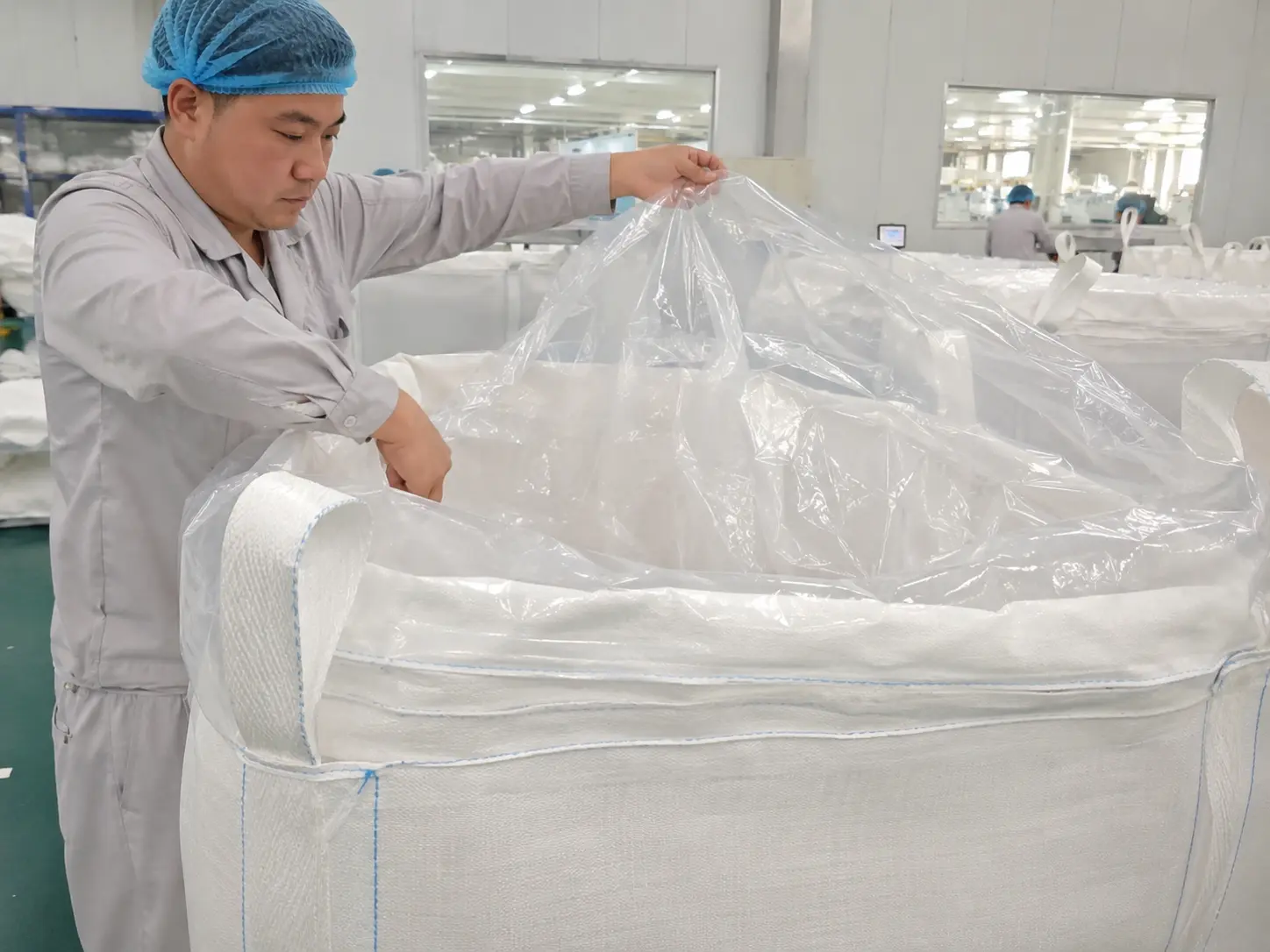
Grain Packaging Considerations at a Glance
| Factor | Why it matters for grain | Typical approach |
|---|---|---|
| Moisture content | Grain moisture is set before bagging, then must hold steady | Sealed liner, not ventilated construction |
| Storage duration | Often months between harvest and use/export | Prioritize consistent protection over the full period |
| Pest control | Sealed bags reduce insect entry during long storage | Liner plus proper closure |
| Food grade status | Needed for human food or animal feed use | Food-contact liner, clean production |
| UV exposure | Long outdoor storage at farm or elevator sites | UV-stabilized construction if applicable |
Why Grain Storage Differs From Produce Ventilation
Fresh produce and firewood are still actively respiring or drying when bagged, releasing moisture that needs somewhere to go — which is exactly what ventilated construction is built for. Properly dried grain is in a fundamentally different state: its moisture content has already been brought down to a stable storage level, and the packaging’s job shifts to holding that level steady against ambient humidity rather than releasing internal moisture. Applying ventilated logic to dried grain risks letting outside humidity work its way back in over a long storage period, undermining the drying process that already happened before bagging.
Moisture Content Is Set Before Bagging, Then Protected
Packaging doesn’t set a grain’s moisture content — that’s determined by drying before bagging, based on your own agronomic standards or buyer specifications for the specific grain and intended use. Once that target moisture level is reached, the bag’s job is to protect it against re-absorption from ambient humidity over the storage period, which is why sealed liner construction, not ventilation, is the appropriate approach for correctly dried grain. Confirm your target moisture content independently of the packaging decision — packaging protects a number you’ve already determined, it doesn’t determine it.
Pest and Insect Control During Long Storage
Seasonal grain often sits in storage for months between harvest and use or export, and a properly sealed bag reduces insect entry points compared to open or loosely covered storage — a secondary benefit alongside sealed construction’s primary moisture-protection role. This matters more for grain than for many other bulk products specifically because of how long it typically sits before movement, giving pests more opportunity to find an entry point over an extended period than a fast-turnaround product would.
Food Grade Construction for Human Food or Feed Use
Grain intended for human food or animal feed needs food grade construction — the same food-contact liner material and clean production environment requirements that apply to any food-contact FIBC. Grain destined for non-food industrial uses may not need the same construction, so confirm your grain’s end use before assuming food grade requirements apply universally to all grain shipments.
UV Protection for Long-Duration Outdoor Storage
Grain commonly sits in outdoor storage at farm sites or elevators for extended periods before use, making UV-stabilized construction worth confirming if your bags will face genuine outdoor exposure over the storage duration rather than moving quickly into covered warehouse space. This is the same UV consideration that applies to any product facing extended outdoor storage, not something unique to grain, but worth flagging given how common extended outdoor agricultural storage actually is.
When Grain Actually Needs Ventilation
The exception to sealed-construction logic is freshly harvested grain that hasn’t yet been dried to a stable storage moisture content — in that specific window, the grain is still respiring and releasing moisture similar to fresh produce, and some airflow may be more appropriate than immediately sealing it in. Once the grain reaches target storage moisture, the packaging approach should switch to sealed protection. Don’t apply one approach across the grain’s full lifecycle from harvest through long-term storage — the right packaging depends on which stage you’re actually at.
Common Mistakes in Grain Packaging
- Defaulting to ventilated construction because grain “seems agricultural.” Ventilation fits fresh, respiring products — properly dried grain generally needs the opposite, sealed approach.
- Assuming packaging can compensate for grain that wasn’t dried properly. A sealed bag holds a moisture level steady; it can’t fix grain bagged before reaching target moisture.
- Not planning for the full storage duration upfront. Seasonal grain storage often runs months longer than buyers initially estimate — plan protection for the realistic full period.
- Treating all grain shipments as needing food grade construction. Confirm actual end use — food, feed, or industrial — before assuming the higher-spec requirement applies.
- Overlooking UV exposure for farm-site or elevator storage. Extended outdoor agricultural storage is common enough that UV stabilization deserves a specific check, not an assumption either way.
Decision Checklist
- Has your grain been dried to its target storage moisture content? If yes, sealed liner construction; if not yet, some airflow may be more appropriate.
- How long will the grain actually sit in storage before use or export? Longer duration increases the importance of consistent moisture and pest protection.
- Is the grain intended for human food or animal feed? Confirm food grade construction requirements based on actual end use.
- Will bags face extended outdoor exposure? Confirm UV stabilization if so.
- Have you set your target moisture content independently, before choosing packaging? Packaging protects a moisture level you’ve already determined.
Final Thoughts
The whole grain packaging decision turns on one question: has the crop been dried to its storage moisture target yet. Before that point it’s still giving off moisture and behaves like fresh produce; after it, the job is holding a number steady for months. Tell us the crop, its moisture status and how long it sits before shipping, and we’ll spec from there.
Before You Request a Quote
Send us your grain type and storage plan, and we’ll confirm the right spec:
- Grain type and current moisture content status (dried or fresh)
- Intended end use — food, feed, or industrial
- Expected storage duration and location (indoor/outdoor)
- Target capacity and export destination, if applicable
Request a quote and we’ll confirm liner, food grade status, and UV protection against your actual grain storage plan.
Common Questions
Do grain bulk bags need to be ventilated like firewood or produce bags?
Usually not, once the grain is properly dried to its target storage moisture content — at that point, sealed protection that holds the moisture level steady matters more than continuous airflow. Ventilated construction fits fresh, still-respiring produce; properly dried grain generally needs the opposite approach.
What moisture content should grain be at before bagging?
This depends on the specific grain and your storage duration — wheat, corn, and rice each have different safe storage moisture thresholds. Confirm your target moisture content with your own agronomic or grain quality standards before bagging; packaging protects a moisture level, it doesn't set one.
Does grain need food grade FIBC construction?
Yes, for grain intended for human food or animal feed use — the same food-contact liner and clean production requirements covered in our food grade guide apply. Grain for non-food industrial use may not need the same construction.
How does pest control factor into grain bag selection?
A properly sealed bag reduces insect entry points compared to open storage, which matters over the months-long storage periods common for seasonal grain. This is a secondary benefit of sealed construction alongside its primary moisture protection role.
When would grain actually need ventilated packaging?
Freshly harvested grain that hasn't been dried to a stable storage moisture content yet is still respiring and releasing moisture, similar to fresh produce — in that specific pre-drying window, some airflow may be more appropriate than fully sealed construction. Once dried to target moisture, switch to sealed protection.
Can the same bag spec work for grain and for oilseeds?
Often, though oilseeds can carry higher residual oil that affects liner compatibility and cleaning between loads. The moisture logic is similar; the contamination and residue considerations aren't identical. Confirm liner material against your specific crop rather than assuming one agricultural spec covers both.
How does fumigation affect bulk bag choice?
If your grain is fumigated in-bag, the fabric and liner need to be compatible with the treatment and the process may require specific permeability. Raise fumigation plans when specifying — it's a requirement that can conflict with a fully sealed liner and needs designing in rather than around.
More in Applications
All Applications guides- Hemp Super Sacks: You're Buying Volume, Not StrengthDried hemp biomass is so light a super sack fills at under a fifth of its rating. Size the bag for volume, and seal it only once drying has finished.
- Super Sack Cofferdams: The Bag Holds Weight, Not WaterA super sack cofferdam is a mass structure, not a seal. Woven polypropylene seeps, so the bag supplies ballast and a separate membrane has to stop the water.
- Bulk Bags for Coffee Beans: The 12% Moisture ProblemGreen coffee is not a dry cargo. It ships in a narrow moisture band, and the real threat in a container is condensation putting water back into the bean.
- Dewatering Bulk Bags: The One FIBC Built to Let Water OutEvery other bulk bag keeps moisture away from the product. A dewatering bag does the opposite — and specifying it with coated fabric guarantees it will fail.